
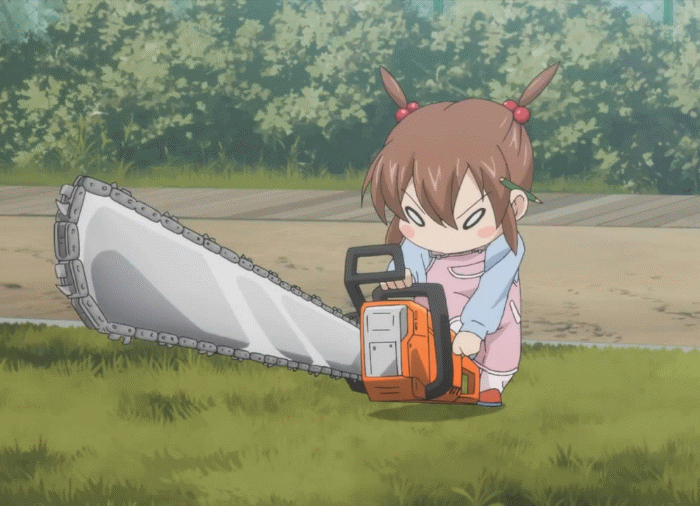
No, I am not referring to Chinua Achebe’s debut novel (one of my favorite reads from high school). What I’m here to talk about is when plans go caput, like they did over the last two months since my last blog entry. The feature image of this post is a very good hint as to what may be responsible.
Before you proceed, beware, the Force (for all those Star Wars fans out there) is strong with this post.
A recurring theme of parenthood is the inability to exact on the plans and goals we set for ourselves. You may ask, “What happened? Where were you all these days?”
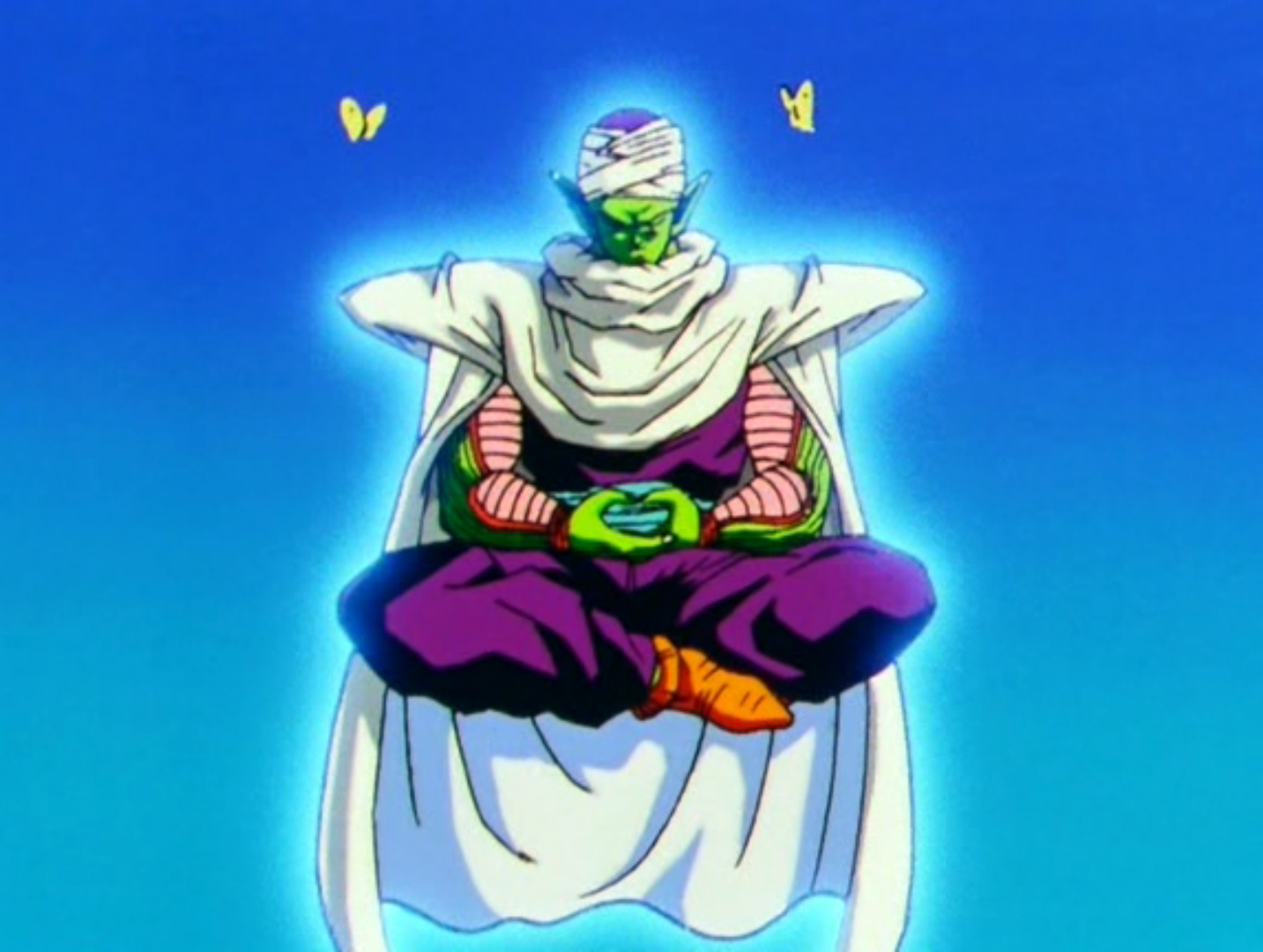
Put it simply, I became Obi-Wan Kenobi. Holed up in my office, I have spent the last two months reminiscing the glory days…

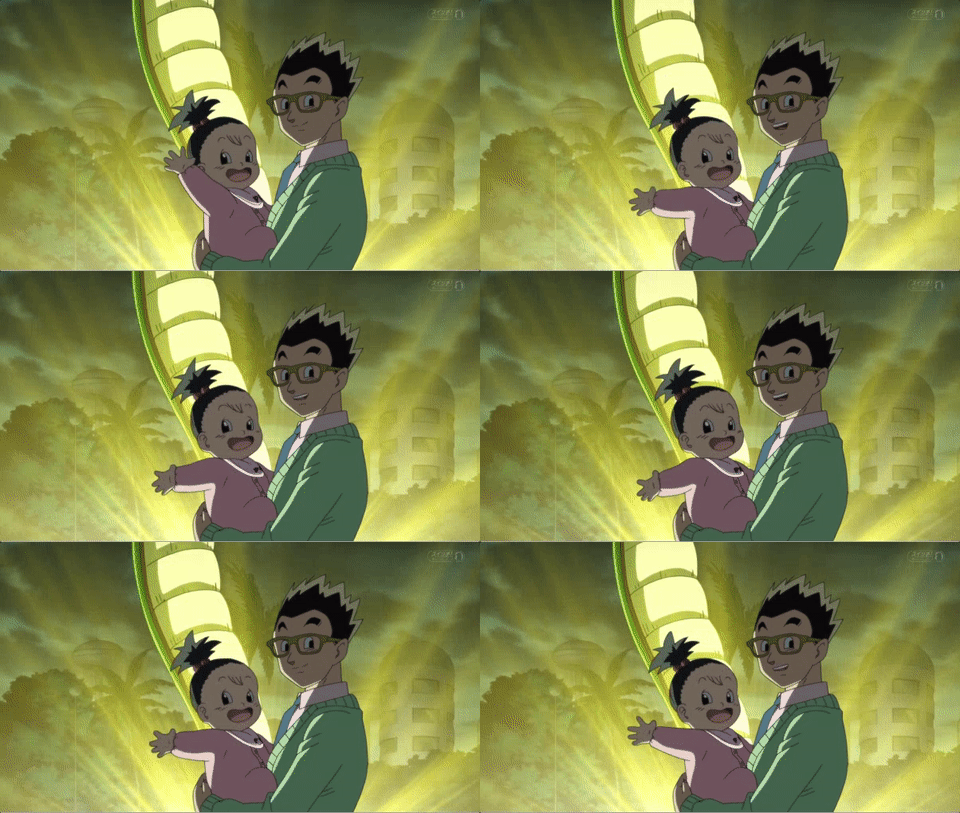
Unlike the actual Darth Vader, this baby Darth Vader is just so much more difficult to handle. Why? Because the chaos that ensues in her presence is accompanied by a forceful load of cuteness and all sorts of mushy feelings.
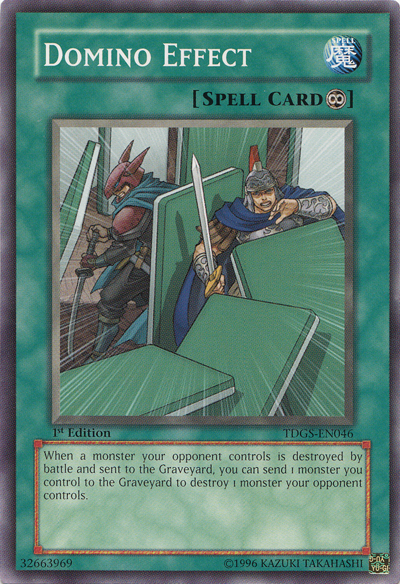
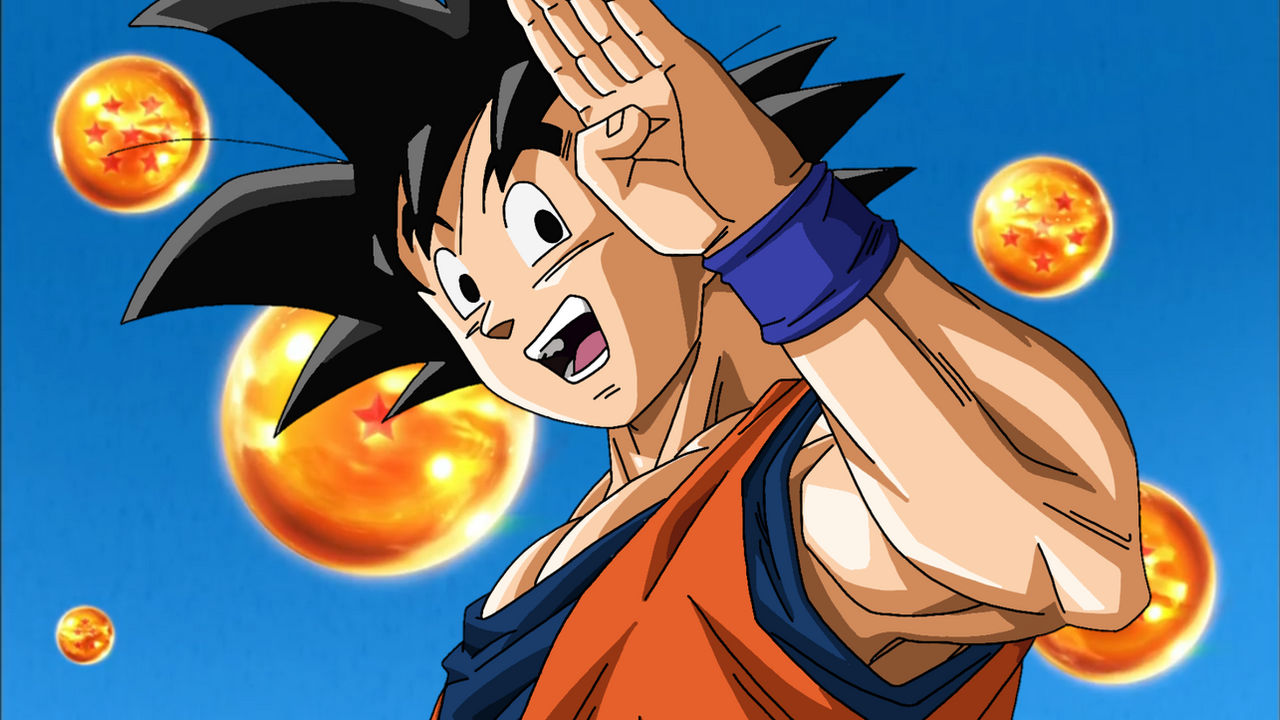
Nevertheless, our battles have been legendary. Collateral damage was inevitable. The state of my home speaks to that. The battles have taken their toll on my body as well and battle scars have been plenty with the most worrisome being a recurring shoulder injury that set me back from doing any writing or art for nearly a month. Recovery has been gradual but investing in an ergonomic office set up has made a big difference. The rings under my eyes are now a permanent addition to my battle-hardened persona, and with every passing day, I feel more like this guy,

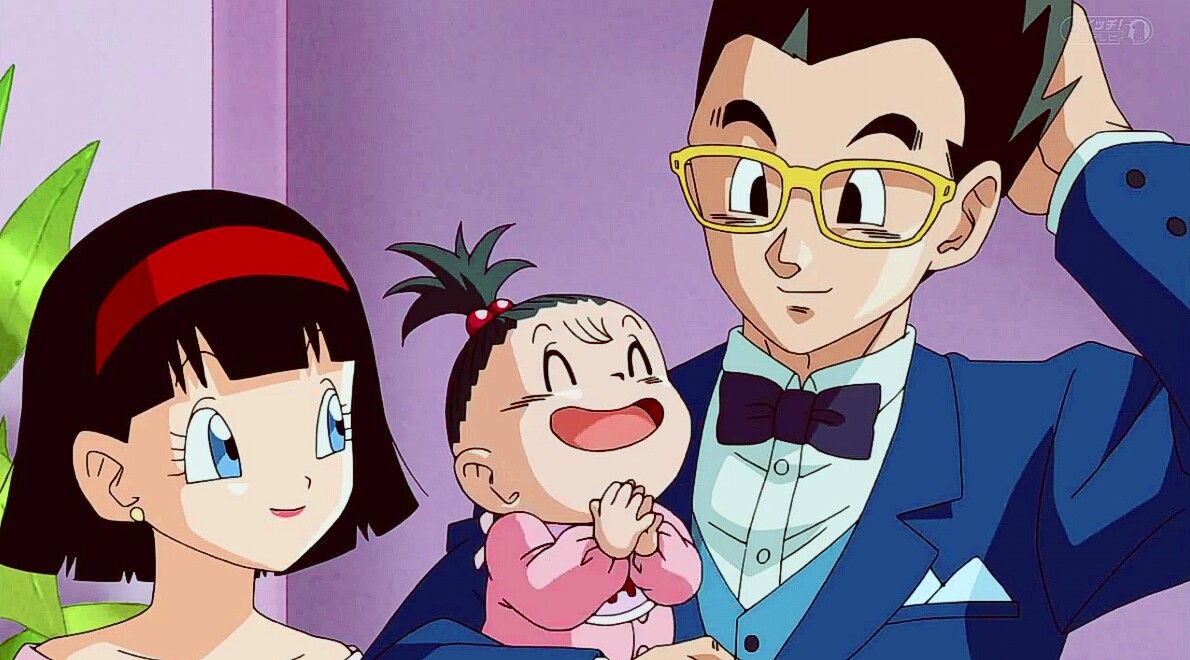
Meanwhile, my partner hasn’t been faring so well either. Setting aside the reality of dealing with teething, baby vaccinations, and COVID scares, a potent combination that screwed up all the routines that I had set in place to assist the two of us, my wife has transformed into this guy (by her own admission),

Stress is a difficult opponent, and looking after a baby can sometimes be awful especially when your time is pretty much out of your hands and serves the whims of a little human being. Mixed emotions follow when you are uncertain if you are actually happy or extremely frustrated as everything that is orderly crumbles to dust.
So, as things fell apart, I realized that it was more important to give my wife as much support as I could (not to say that I haven’t thus far). I’m grateful that I was able to land a job that enabled me to work from home. I can’t say that I succeeded 100% when it comes to helping out. It has been a work in progress as we learn from one another and our individual mistakes but on the brighter side of things, it is an experience that has only deepened our relationship as partners and as parents to our lovely angel.

Treats have been the way to go to deal with the constant stress and any unhealthy weight gain is offset by having to run after our baby daughter. Despite all these difficulties, we have had a few occasions to celebrate. Most notably, my first purchase of a car. A Mazda, my very own Razor Crest, that will serve as our family transport as we explore the endless boundaries of the galaxy that unravels in the wake of our daughter’s growth.
Today, I feel very happy to get back on the block and write this post but I can’t be certain as to how “back” I actually am. Fingers crossed that things do settle down over the next few weeks so that I can hit my groove again. If not, that is alright as well, because nothing is more important than family…actually, scratch that, nothing is more important than you, baby Lord Vader.






























 The Pensive Reverie