Celebrating Pongal – May the Rice Overflow!

As a multicultural family, my wife and I celebrate diverse cultural traditions. I wrote about this a while back (check it out here), describing how embracing something new and different can expand our worldview, foster personal growth, and deepen our appreciation of what we already have. Celebrating Pongal is one of those things.

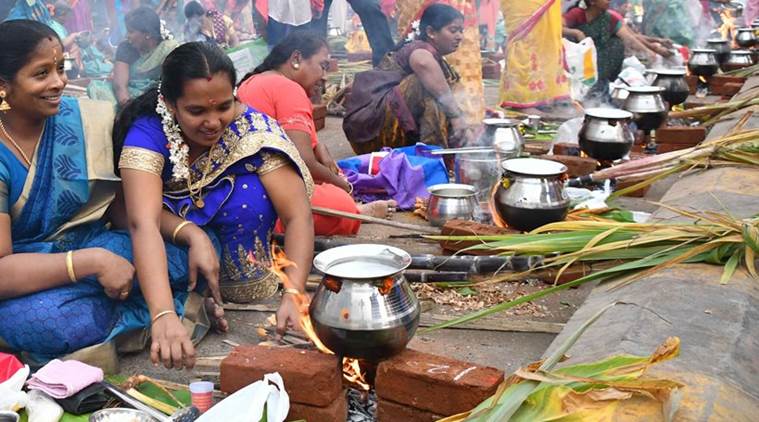
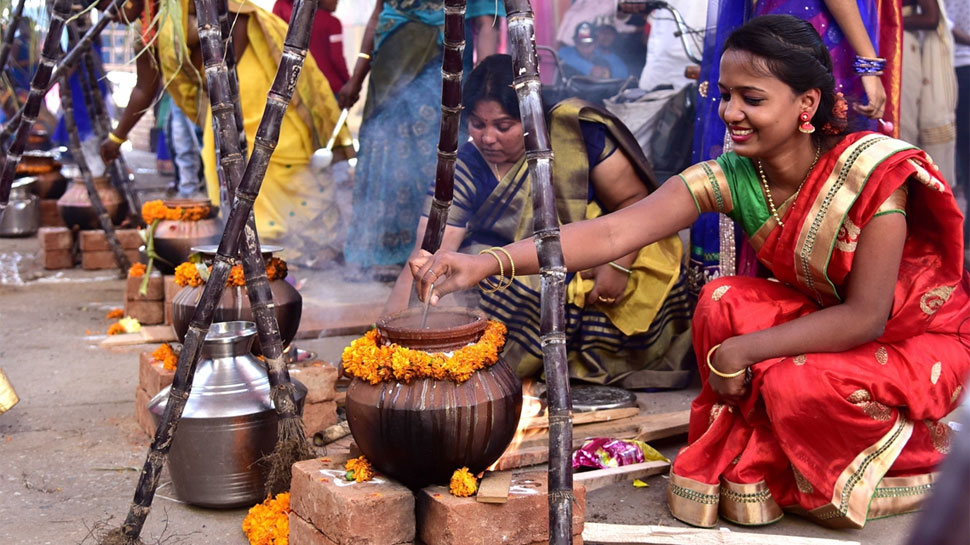
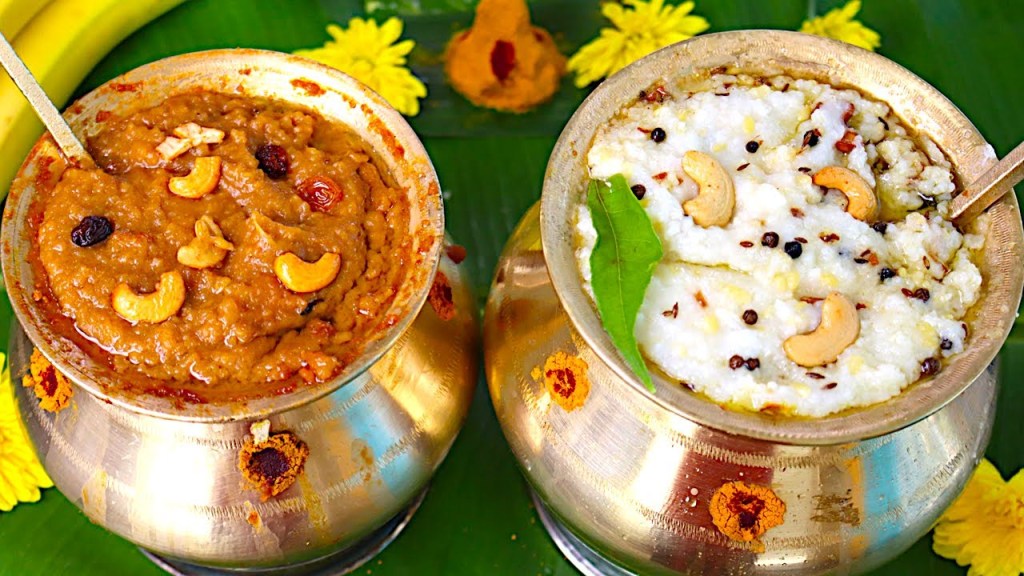
Pongal, also known as Thamizhar Thirunal, or “festival of Tamils,” is a major harvest festival observed by the Tamil diaspora. The word Pongal literally means to “boil over” or “overflow.” It also refers to the festival’s signature dish that combines rice and lentils and comes in two main varieties: Sakkarai Pongal (sweet, made with jaggery) and Ven Pongal (savory, made with spices like black pepper and cumin).
Hailing from Tamil Nadu myself, I grew up in a Christian family. As such, we didn’t really celebrate Pongal, a Hindu festival, in our household. But Tamils are known for their love of food and strong sense of community, and make no mistake, Pongal is one occasion when this holds true. During the festival, our neighbors often invited us to join and share in the day’s festivities. Even though we weren’t Hindus per se, the festival and its celebrants didn’t care about it. For me, growing up in India, this perspective deepened my connection to cultural identity rather than religious distinctions.

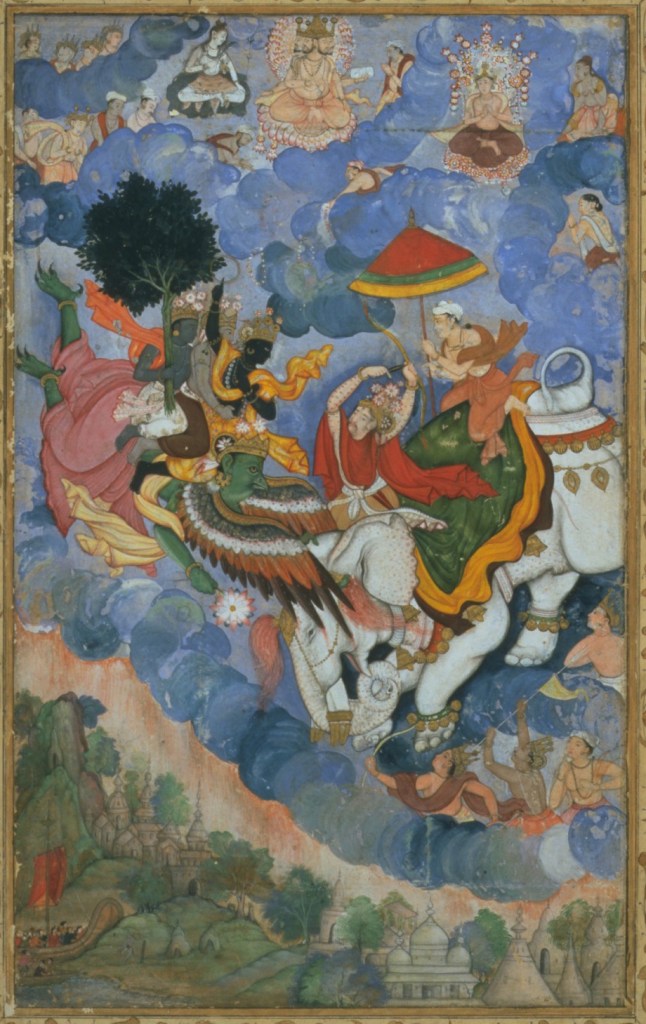
Pongal is a multi-day harvest festival with several legends attached to its religious significance. There is the tale of the Hindu God Shiva and his bull, Nandi, who mistakenly advises humans to eat daily and bathe monthly, rather than the other way around. Another tale involves a second member of the Hindu trinity, Lord Krishna, who protects humans from Indra’s wrath (the god of thunder). These legends are incorporated within the four days of the festival, starting with Bhogi, and followed by Thai Pongal, Mattu Pongal, and Kaanum Pongal.
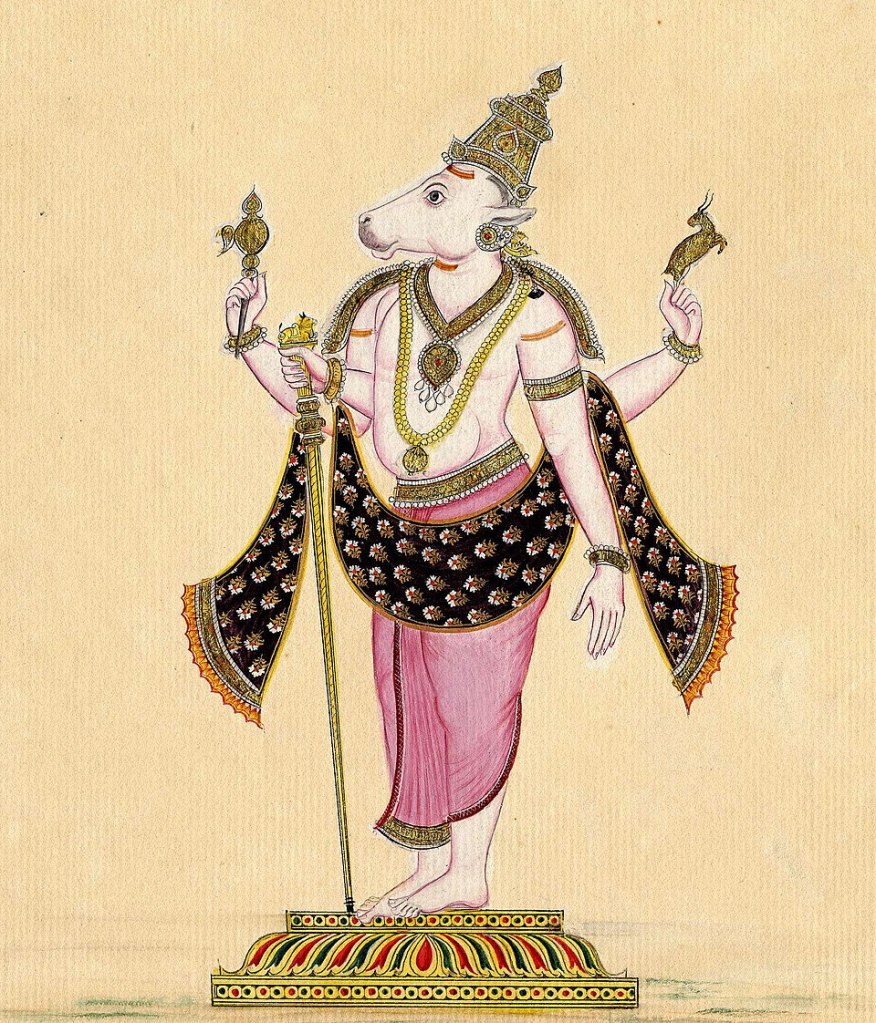
During Bhogi, people discard and burn old belongings, clean their homes, and celebrate the arrival of new possessions. The day after, Thai Pongal, represents the principal theme of the festival: tribute is paid to the Sun god Surya and the start of his six-month-long journey northwards, when the Sun enters the constellation of Capricorn. The ensuing celebrations also thank the land’s overflowing bounty and the year’s harvest. On Mattu Pongal, farm animals, primarily cows, are celebrated as sources of wealth for their provision of dairy and fertilizer and for their use in agriculture. The festivities are brought to a close on the fourth day of Kaanum Pongal, when families visit one another and reunite before embarking on the new year.

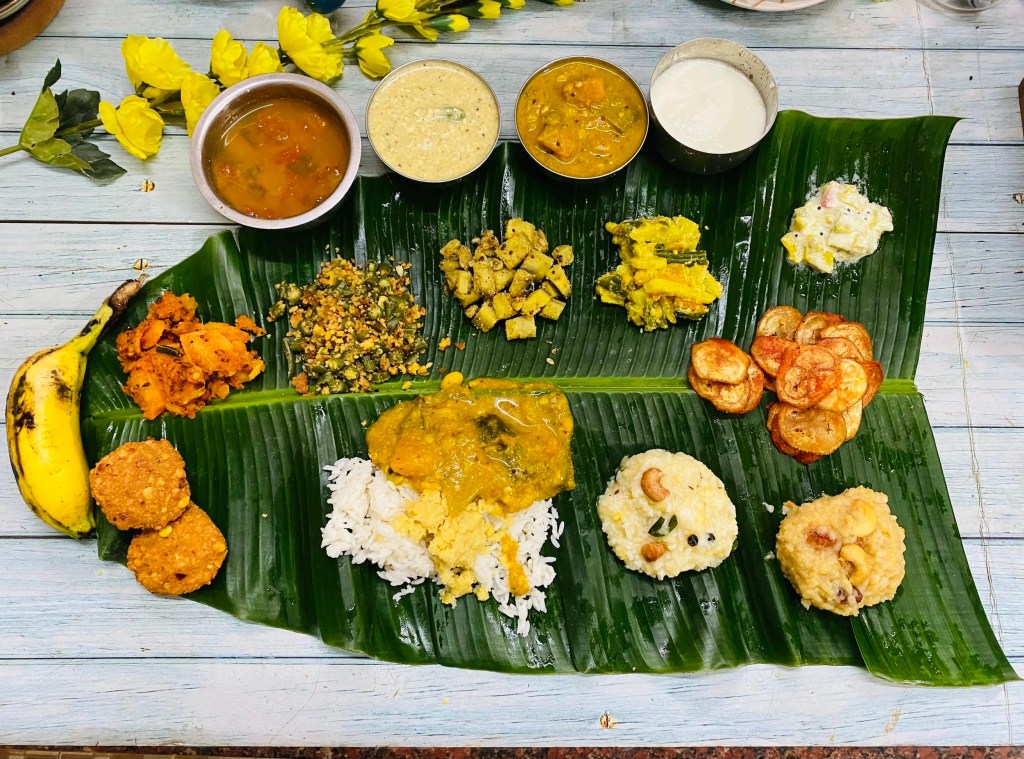
Needless to say, there is much to celebrate and plenty of food to go around during Pongal. Living in Calgary, Canada, it is not so easy to celebrate Pongal the traditional way in the freezing cold. Instead, I take some liberties and focus more on the festival’s contextual and spiritual meaning. For Bhogi, I aim for an eco-friendly approach, reflecting on the previous year, letting go of regrets and negativity, and setting positive resolutions for the new year. Having a little kid around also means there are old clothes (my daughter has outgrown) to discard, so instead of burning them, we donate them. On Thai Pongal, while I can’t really decorate my house with banana and mango leaves, I can certainly make the day’s traditional dishes, dress up for the occasion, and practice drawing kolams (a decorative art drawn using rice flour with natural or synthetic color powder, or, in my case, chalk markers and a blackboard). The last two days of Pongal are wrapped together in eating the leftovers, thanking, and spending quality time with family.
That being said, our 2026 celebration has a caveat. My daughter took Bhogi a little too literally and fell sick. Since then, my wife and I have carried on the prestigious parental tradition of sharing in her sickness and feeling miserable. We are getting better, though, as we gradually expel and cleanse all the “sick” from our bodies into a rising pile of tissues. These developments mean Pongal will be postponed to the weekend, when we will bundle all the exuberant festivities into two days, and as the saying goes, “Pongalo Pongal, let the rice overflow!”

Observing traditions in a multi-cultural family

Growing up in a Christian family in India meant we had a slightly different schedule of festivals to celebrate throughout the year compared to our neighbors who were predominantly Hindus. That didn’t stop my family from engaging in a few of the Hindu festivals and traditions.

Indian culture is a multifaceted entity with thousands of unique traditions and customs present in the country. A lot of these traditions, while built within a religious foundation (Hinduism), are often interpreted as setting the norm for daily life, especially surrounding family. When my family left India, all the way back in 2001, my parents strived to maintain those traditions at least within the circle of our own religious beliefs. As I grew up, those religious beliefs were molded by my personal experiences in life.

So, there I was in Christmas 2021, singing along to the Gunter Kallmann Choir Christmas playlist while packing up our apartment with the help of my baby daughter. This choir was a favorite of my grandfather’s and the carols brought back nostalgic memories of celebrating Christmas Eve at my grandparents’ home.

Draped over the chair, in the opposite corner of the living room, I recognized the veshti I had worn just a few weeks back when we had celebrated Diwali, the Hindu festival of lights.

One of the most popular festivals in Hinduism, Diwali symbolizes the victory of good over evil, and is celebrated between mid-October and mid-November.

I had cooked a traditional feast for my wife and daughter (who indulged as much as possible for her age) while wishing family and friends to share in our joy, much like we would later do on Christmas Eve.

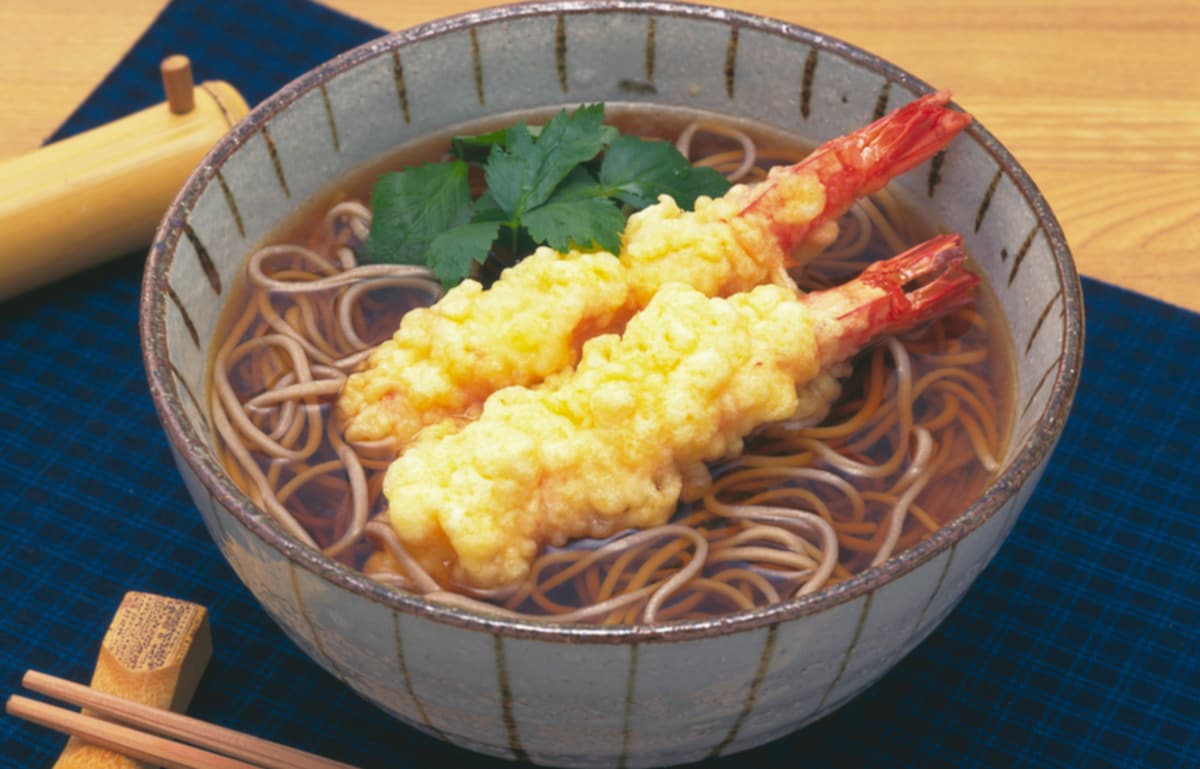
These celebrations were followed by several others, this time from my wife’s side of the family, who are Japanese. We observe our last meal of Toshikoshi soba on New Year’s Eve,

Toshikoshi soba is a noodle dish eaten on New Year’s Eve, and isa customary practice to let go of the hardships of the year, represented by the soba noodles that are easily cut while eating.

followed by Nanakusa no Sekku or the Festival of Seven Herbs, on January 7th.

Nanakusa no sekku is a custom where one eats seven (nana)-herb rice porridge to ward off evil and celebrate longevity and good health.

A week after that, we would once again come full circle, by celebrating Pongal, a multi-day Hindu harvest festival observed by Tamils in India.

Pongal celebrates the first harvest of the New Year. The festival is named after the ceremonial dish “pongal”, which means to boil or overflow, prepared from the new harvest of rice boiled in milk with jaggery or raw sugar.

What was the point of all of this? Why celebrate so many different festivals of varying origins?

The answer has to do with my struggles to find the best of both worlds in balancing my cultural norms with those of others I grew accustomed to while living in Egypt, Sudan, Sierra Leone, and Canada. Now, as a father, I wished to create a family tradition for my baby daughter that was open-minded, contrasting to the chaotic nature of discussions in the name of religion, while providing a platform honoring and respecting people’s religious choices and faith.

By integrating these different festivals and celebrations, I wish to create an environment that would hopefully allow my daughter to embrace different cultures and respect their traditions, as she grows up. Christmas, beyond the religious stipulations, always represented happy memories with family. It was a period of time when we could all come together, revel in trivial pursuits and games, and just be happy for each other. 

That emotion of familial joy became permanently affixed to many of the other celebrations my parents had observed, outside of our religious circle, in festivals like Diwali and Pongal. Diwali, for me, was just a different kind of Christmas, and Pongal was a different New Year’s celebration. Together, they both meant being with family and being happy. Growing up, I realized that just because my family identified with one religion didn’t necessarily mean I couldn’t embrace or observe the traditions of another faith. To that end, I met a perfect partner in my wife who shared the same opinion.

While we can’t guarantee what our daughter will remember about how we celebrate the holiday season, I’m happy that we have started a dialogue of sorts where she could explore at her own pace the similarities and differences that various faiths have to offer. As she grows older, we will support her desire to explore the world in her own way whether it meant celebrating Hindu festivals, learning the meaning behind Shinto rituals and traditions, or simply lighting up the Christmas tree in the living room.

In the meantime, Christmas 2021 and New Year 2022 provided the perfect ending to our journey in Edmonton (for me and my wife) and the beginning of a new adventure in Calgary. In the years to come, I hope to continue engaging in this open dialogue with my daughter as we observe traditions from both sides of the family.

Through it all, I have one hope for her: that she will one day grow to remember, much like her mother and father, that by embracing something new and different you are not losing yourself but expanding and learning on what you already have.