The Lost Artist – Chapter 2 – Finding a Focus

Around three years ago, and a few months to count, I wrote the first chapter to this series. I know what you are thinking. I could certainly do with some consistency. Unfortunately, life isn’t too kind to a set schedule, and, as it happens, things fell by the wayside. Fast-forward to the present: I’m now a writer-artist hybrid working hard to find a balance between these two creative endeavors. That is where today’s narrative on focus comes in.

For a creative, time is an invaluable asset. Unfortunately, most of us don’t get the time we would like on our projects. This means you have to make some tough decisions. I’m the kind of guy who has multiple interests. In other words, I tend to take on too many things at once. This has been a recurring issue since the start of my creative journey, but I was finally able to resolve it over the extended break since the first chapter of this series.

The catch was to find a focus. Sounds easy, but it is not so simple. For an amateur artist, the smallest questions loom the largest. Like, where do I start? The answer can take you down a rabbit hole of diverse perspectives and destinations. The real trick to getting your journey started, I’ve found, is to tailor and focus questions within the lens of your needs. For a writer-artist hybrid like myself, this helped narrow down a lot of my interests.

From choosing a medium of choice to the fundamental skills related to a specific path, all of it can be identified if you tailor it to your goals and interests. The good news? There are many resources out there that can help with this.
The bad news? It takes time, just like any other creative process. If you can combine your inherent focus (guided by what interests you most) with patience, the answer comes a little quicker. Or, you can also take the scenic route: try everything out there and see which one lands.

In my case, this translated into action by exploring art that is already out there. It is akin to sending out a feeler to see what piques your curiosity and interest the most. I spent a few minutes every day just engaging with artists out there (across various platforms like YouTube, Pinterest, Udemy, DeviantArt) and learning the realities of the trade. Not only did this help identify the specific media that I wished to master, but it also helped identify the creative path I wished to take as a writer-artist: storyboarding. I’m now in the process of consolidating my artistic focus toward mastering the skills and tools of this trade.

Now, what worked for me may not necessarily work for everyone else. At the end of the day, I find that art is often guided by intuition, and the same could apply to our intent. Take what you like and set aside what you don’t, without overthinking or being too hard on yourself.

Here are a few resources to get your mind jogging:

(i) The Draftsmen – hosted by Stan Prokopenko and Marshall Vandruff, it covers studying masters, composition, and overcoming art fears. Also, make sure to check out Stan’s very own Proko.com, an invaluable online art education platform with high-quality tutorials on various topics, including drawing, painting, and anatomy.

(ii) The Virtual Instructor – one of my earliest influences, and whose website hosts a treasure trove of lectures and project-oriented tutorials that can pique your interests in various media.

(iii) Jazza Art – another of my early influences, Jazza is a phenomenal artist, but what really helped were his videos on finding inspiration and general advice on how to get your artistic journey started.

(iv) Aaron Blaise – a legend in the industry, Aaron’s site is a treasure trove of everything you would want to get from an actual expert.

And, when you get the time, follow along in my art journey at LockeInArt!

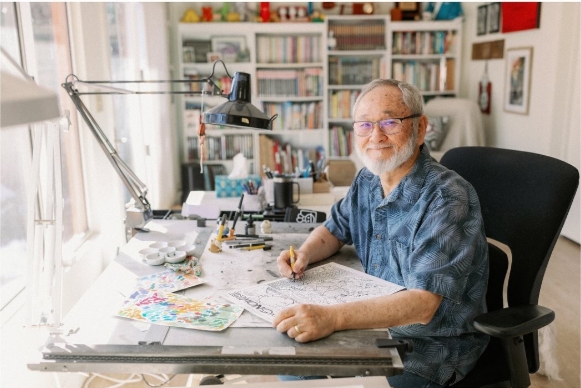
The Art and Storytelling of Stan Sakai

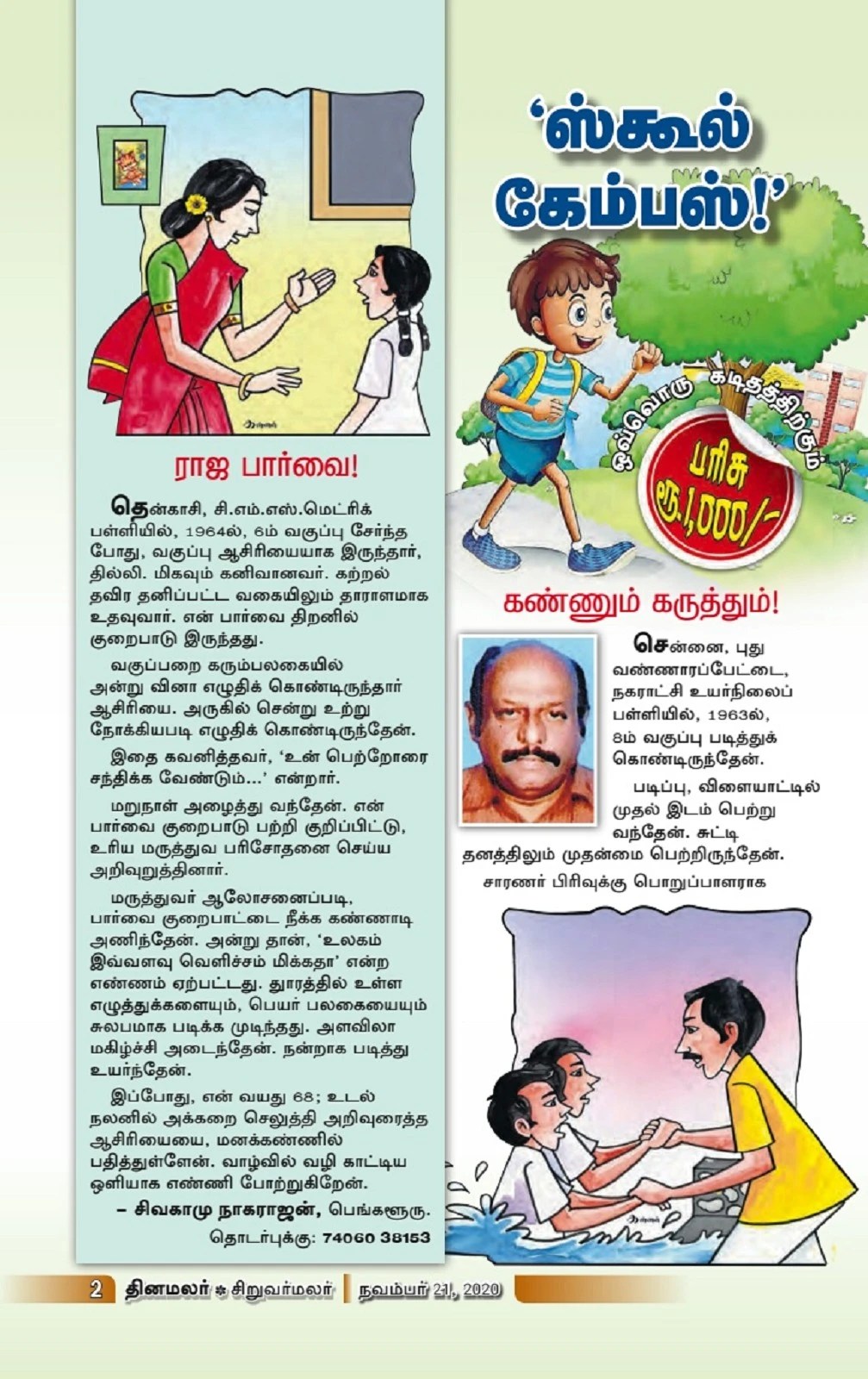
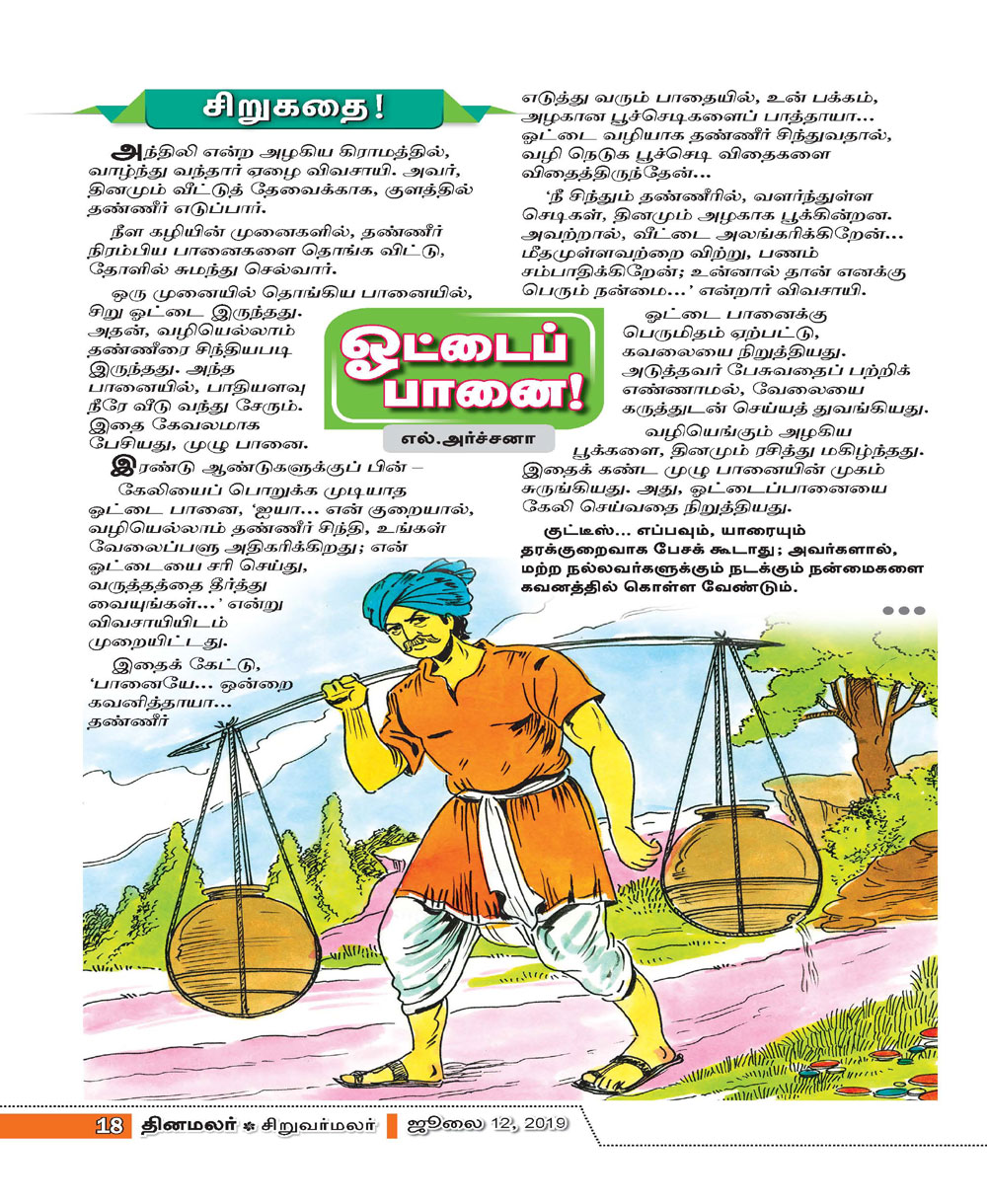
When I was a kid, the weekend was something to look forward to, beyond just an excuse not to do homework. The two days brought with them the excitement of reading the weekly children’s magazine delivered to my grandfather’s home. The Siruvar Malar (literally, “Children’s Flower”) and Thanga Malar (“Golden Flower”) were filled with folktales, comics, arts-and-crafts activities, and ads for local art contests.

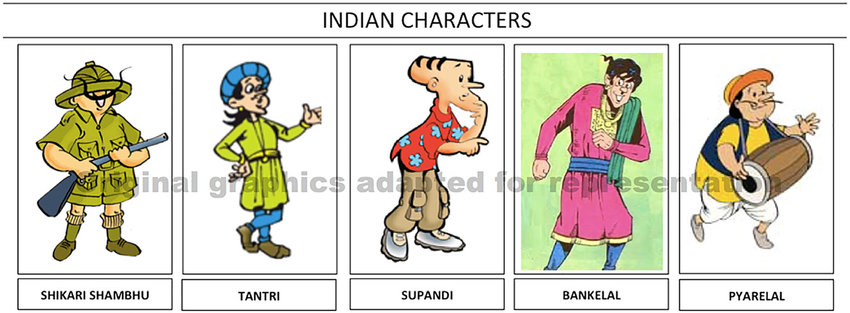
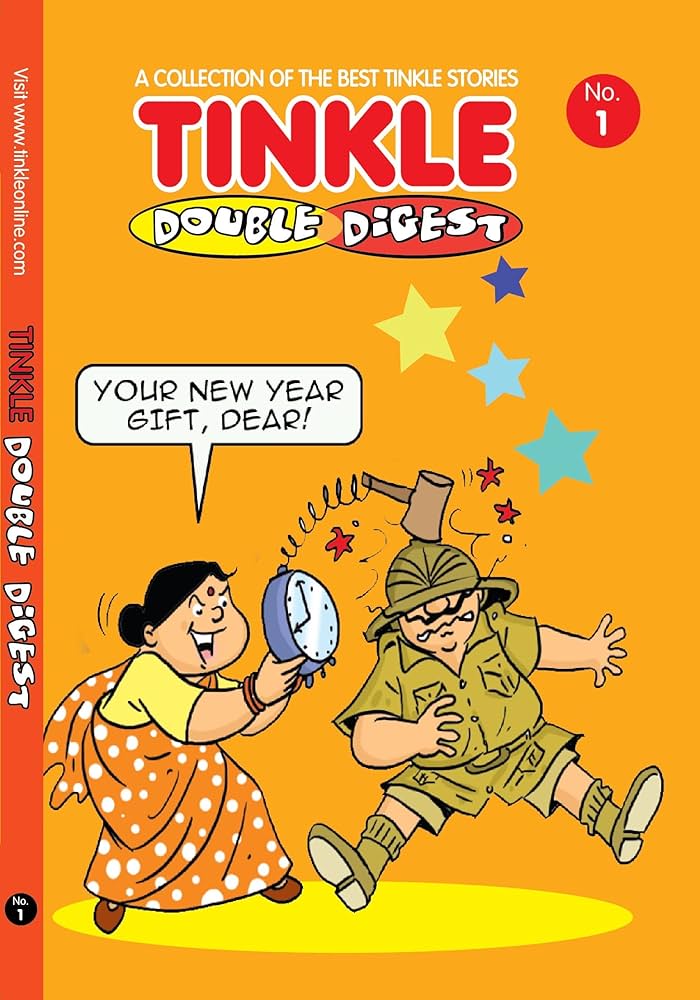
When I was in my tweens, I graduated from these magazines to reading full-blown comics that my father would purchase on his business trips. These were the still-ongoing (mostly online now) and highly popular Tinkle Comics. Tinkle’s pantheon of characters, including Suppandi, Shikari Shambu, Ramu and Shamu, Tantri the Mantri, were my childhood heroes.

These comics were rife with cultural humor and folk inspiration. I prayed to be a lot more adept than the reckless hunter Shikari Shambu and the hilarious ignoramus Suppandi. I found inspiration in the deviousness of Ramu and Shamu in annoying my own family, and delighted in the constant failures of the evil Tantri the Mantri.

More than just a passing form of entertainment, these comics were relatable to life and Indian culture, and also helped cultivate my understanding of the English language. The nostalgia that I attributed to these stories hit me like a truck when I came across Stan Sakai’s Usagi Yojimbo in my early twenties.

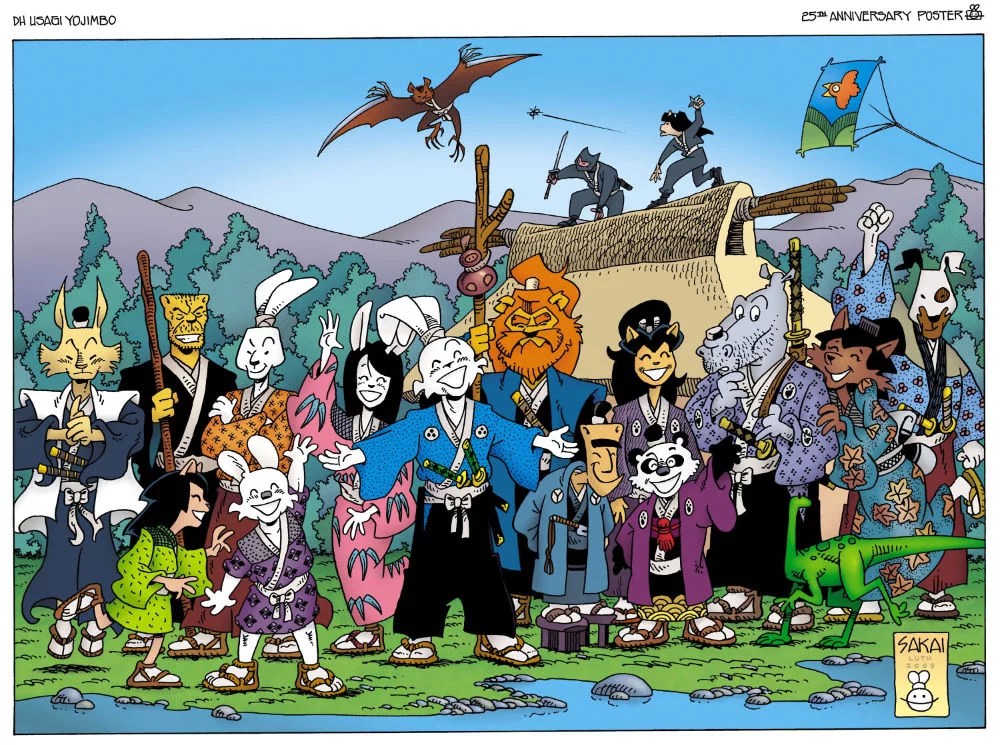
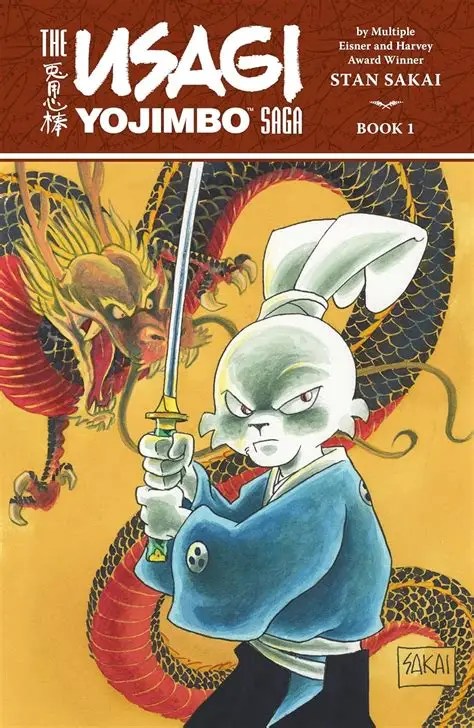
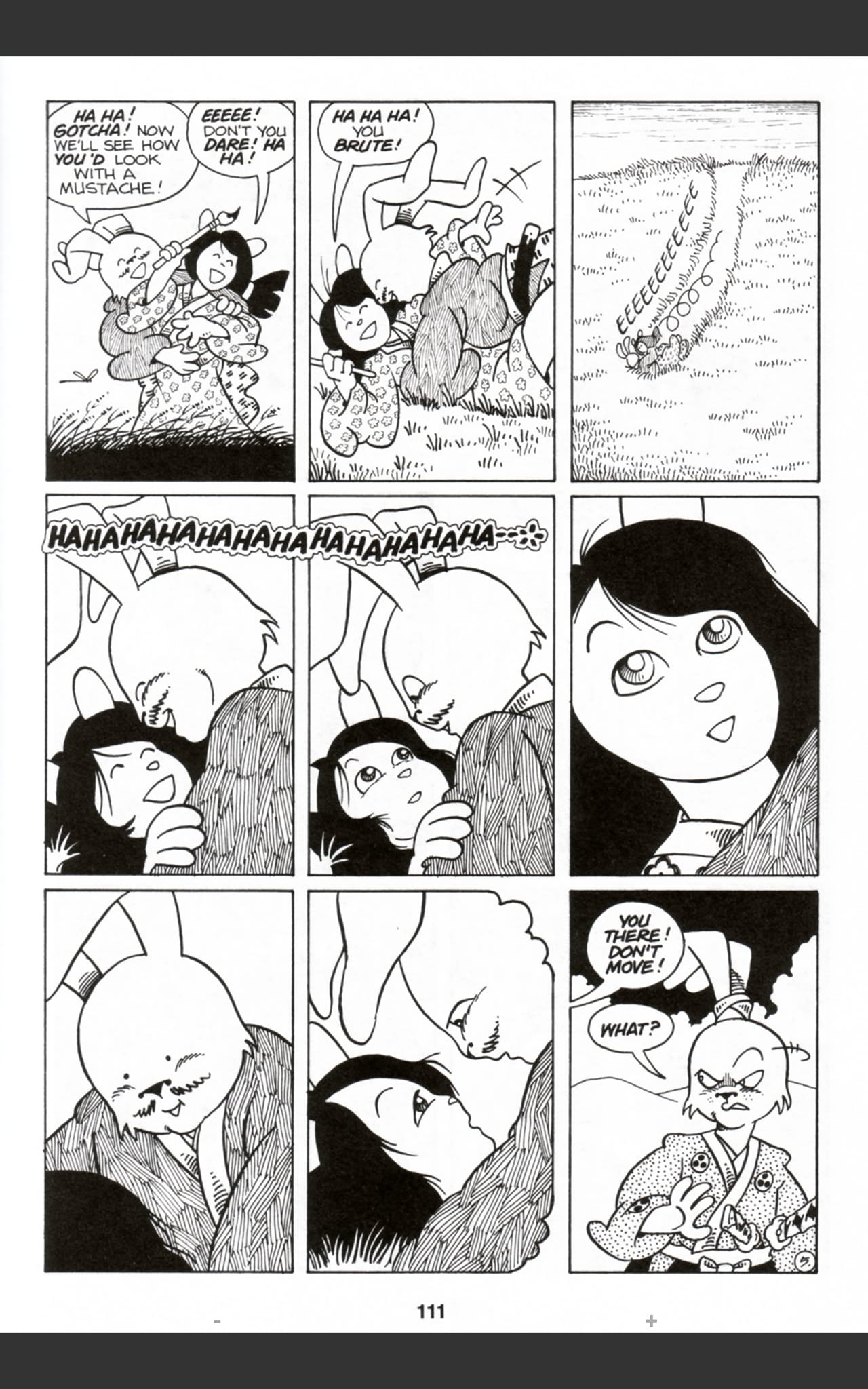
As a young adult and an exam-hardened undergraduate student at university, I found Sakai’s magnum opus stacked up in a corner at the public library. It wasn’t too long before I fell in love with what Sakai had to offer. A while back, I wrote about the man who drew from memory, Kim Jung Gi. If Gi was all about the awe and spectacle of art in full flow, Sakai, for me, was the finest mix of storytelling and art in the comic form. Usagi Yojimbo, or “rabbit bodyguard,” is set at the beginning of the Edo period of Japanese history and features anthropomorphic animals in place of humans.

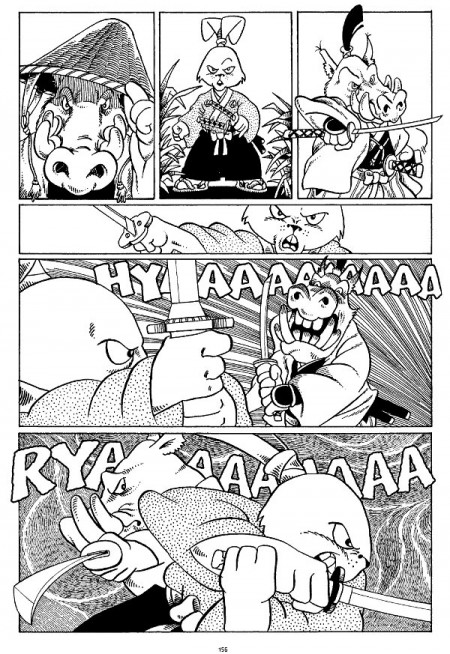
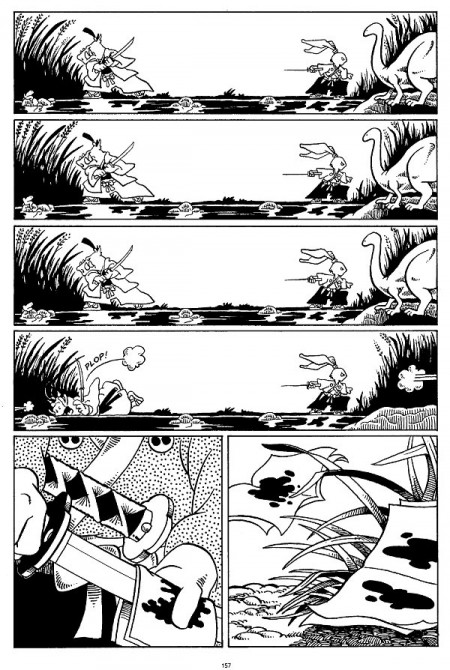
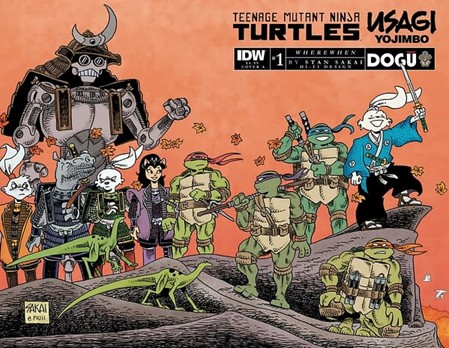
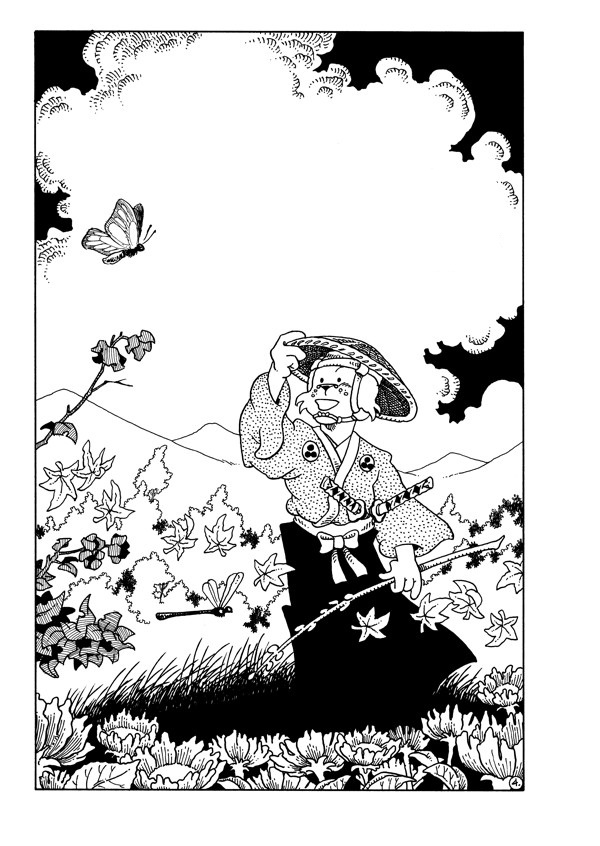
Our protagonist is the rabbit ronin, Miyamoto Usagi, based on the famous Japanese legendary swordsman Miyamoto Musashi. Wandering the lands of Edo Japan, Usagi sells his services as a bodyguard while going on adventures that have him fighting off his enemies. As a Japanese-born American cartoonist, Sakai draws on both Japanese and Western pop-culture elements. Usagi meets all kinds of friends and enemies, from the Teenage Mutant Ninja Turtles to Godzilla. Here was someone I aspired to be in my own ambition to be a storyteller and comic book writer. Sakai’s artwork was detailed, complemented by amazing inking and lettering.

Despite being anthropomorphic, Sakai’s character lived their experiences, and you could relate to them as though they were fellow human beings. Usagi’s growth from a battle-hardened samurai to a philosophical warrior who gains a host of friends and family, whom he would go to any extremes to protect, is heartwarming. The art was further elevated by Sakai’s storytelling. Usagi’s adventures included many references to Japanese history and folklore, featuring architecture, clothes, weapons, mythical creatures, and ancient festivals. Sakai’s ability to skillfully weave facts and legends into the adventures of his samurai rabbit is a genuine masterclass in storytelling. I was (and still am) enamored by Sakai’s art and stories. Usagi’s swashbuckling adventures brought back childhood memories of Tinkle Comics and the Panchatantra (an ancient collection of animal fables). The vivid splashes of folklore, mythology, and traditional arts that span the pages of his magnum opus also made me fall irrevocably in love with Japanese culture and history. Book 41 of Usagi Yojimbo was released in 2025, and Sakai is still going strong.

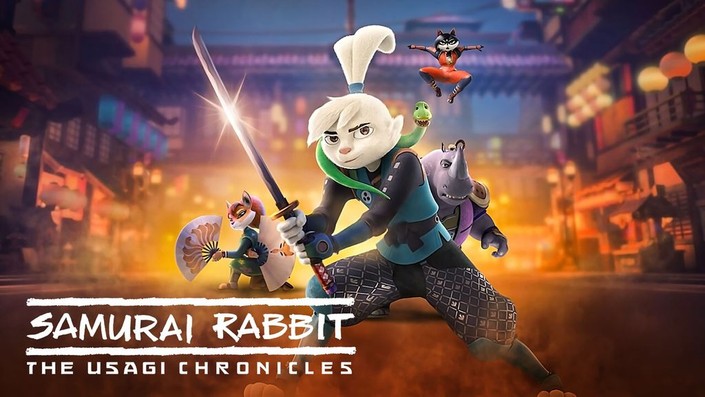
Usagi is now a cultural phenomenon with an animated series that released in 2022 titled Samurai Rabbit: The Usagi Chronicles. Although the comics cater to an older audience, the animated series is perfect for kids who wish to venture into Usagi’s world, albeit through the eyes of his descendant, Yuichi Usagi. At the onset of the COVID-19 pandemic, I got the chance to attend my first online (and in general) art and animation expo, LightBox 2020. Attending the event reinforced my passion for creative storytelling and for pursuing a career in writing. It has been a rollercoaster ride since, and to be honest, I have not made much progress. That may not sound encouraging, but if there is one thing I’ve learned from Usagi, it’s that the journey can sometimes be the destination. All thanks to Stan Sakai!

In the years since 2020, what was once a dream has evolved into a coherent career I’ve now fully committed to in 2026. Where the road leads from here is another adventure that beckons.