Embracing Differences: Lessons from My Brother’s Husband – Manga Review

Life is strange. One moment, we find ourselves surrounded by family and friends. These are people who we believe have our best interests at heart, provide valuable counsel on our beliefs and convictions, and accept us for who we are and who we wish to be. But, now and then, life presents a situation where those very people seem like strangers. In their place, someone else comes along. Someone we have never met before. Someone who, with no immediate cause or reason, and by the simple honesty of their actions, becomes family.

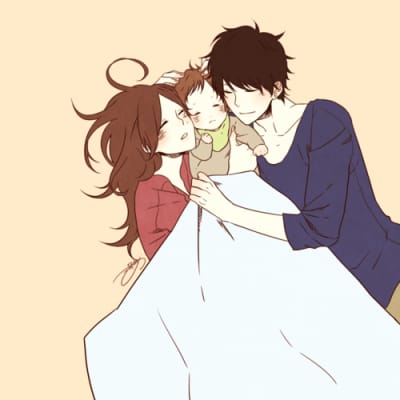
This is the reality that hits Yaichi, a work-at-home suburban dad in contemporary Tokyo. Formerly married to Natsuki and father to their young daughter Kana, Yaichi’s life takes a turn when a hulking Canadian named Mike Flanagan arrives at their doorstep. But Mike is no ordinary person. He is the widower of Yaichi’s estranged gay twin, Ryoji. What follows is a melancholic and beautiful story, authored by the critically acclaimed Gengoroh Tagame, that sheds light on the highly closeted Japanese gay culture and how the next generation can positively influence its future.  

Confronting Differences

For Yaichi, Mike’s arrival is akin to opening Pandora’s box. Hidden within its depths aren’t sickness, death, and misfortune, but Yaichi’s own inhibitions, fears, regrets, remorse, and apathy. As the story unfolds, Yaichi wrestles with these emotions in extended inner monologues, amid moments that highlight the disruptive influence of Mike’s presence.

These monologues are brutally straightforward and describe the void that separates Mike’s world from Yaichi’s and vice versa. Their relationship, in its infancy, involves a fair share of prejudices and veiled preconceptions that Yaichi holds about Mike’s identity as a gay man. Yaichi feigns ignorance as a coping mechanism. While he is aware of his personal inhibitions, Yaichi takes the easy way out, rather than coming to terms with his feelings. Mike’s arrival forces Yaichi to face his inner demons.

It is a rocky start. Both men are seemingly lost on how to proceed with their relationship as in-laws. On one side, we have Yaichi wrestling with his twin’s past. On the other hand, we have Mike, who wishes to complete his family. It is like an awkward tea party, until Kana comes along.

Our Children Are a Reflection of Us

“Daddy has a brother?! Men can marry each other?! Is that even allowed?!”

“Well, it’s like…In Japan, it’s not allowed, but I guess it’s possible in other parts of the world.”

“Huh? That’s weird. It’s weird that it’s ok over there, but not here.”

Growing up, we are taught about the systematic rules that govern our day to day lives. Somewhere along the way, we lose our ability to question and engage, as well as our capacity to change the world dynamically. Early childhood remains an exception. Filters are meaningless to children. They don’t see the world the way we do as adults. It is their greatest strength, and it is what makes them so damn endearing. It is also for this very reason that we adults have to keep ourselves in check. Our behavior, worldview, and the answers we provide to their questions are crucial. It is not an easy task, and in many cases, it is through our eyes that our children’s worlds often lose their colors.

Yaichi is cautious in his approach to raising Kana. Mike’s appearance throws a wrench in what is a mistakenly ignorant lifestyle. Unlike her father, Kana has no inhibitions and becomes immediately attached to her Canadian uncle. Her curiosity and willingness to ask complex questions often catch both men off guard. At the same time, Kana’s innocence guides the two men to have the conversations they need. Gradually, Yaichi begins to change, and as he does, he begins to recognize the weight of his responsibility as a father. He understands the burden he has inadvertently placed upon his daughter. Kana never needed protection from Mike. Rather, he had been protecting himself from coming to terms with his past.

Chasing Shadows

There is one more thing children are great at, and that is calling out adults for their double standards. Especially true when it is about making excuses for ourselves. Kana does the same to Yaichi, setting the stage for the latter to accept his shortcomings as a brother and a father. This ultimately enables Yaichi to seek redemption.

With Mike for company, he relives the childhood memories of his brother; memories buried deep in his heart. The resulting journey is one of fulfillment for both men and something that brings the whole family together. Yaichi’s redemption operates on multiple levels, illustrating how every individual is a product of various threads of influence, including family, cultural stereotypes, religious beliefs, and traditions. On the other hand, helping Yaichi through this process also ensures that Mike fulfills his husband’s wish for the latter to meet his family. From being reluctant about Mike’s presence in their lives, by the conclusion of the story, Yaichi feels encouraged by his company. Finding happiness in their differences, he openly states that Mike is a part of his family.

That pieces together the final message of the story. In this world, our lives are a transient phenomenon. There are very few who we get to meet, know, live with, and who live for us. In the short time that we have together, rather than dividing ourselves over our differences, let’s live with acceptance.

Gengoroh Tagame

The author of dozens of graphic novels, Gengoroh Tagame’s past works have primarily catered to the adult gay manga audience. My Brother’s Husband is his first all-ages title and an Eisner award-winning title at that. In a dramatic change from the graphic depictions of hypermasculinity, sadomasochism, and sexual violence common to his works, Tagame relies on various cultural motifs to elevate and distinguish the polarizing and heartbreaking nature of life in a highly closeted Japanese gay culture. My personal favorite in My Brother’s Husband involves varying cultural interpretations of otherwise structured sushi dishes to relate to Yaichi’s changing perception of Mike.

My Brother’s Husband is a heart-warming story describing how familial connections can originate from surprising corners of the world. The world is not as big as it used to be. Social media has contributed to this, and we are all caught up in its rapid frenzy, some of which is not entirely positive. My Brother’s Husband switches up the pace. It is heartbreaking, yet hopeful. It is painful, yet healing. It asks us to slow down and look around. It asks us to not throw our judgments upon others so haphazardly. It asks us to be willing to have a conversation. All this and more, in a beautifully rendered story that emphasizes the importance of compassion.

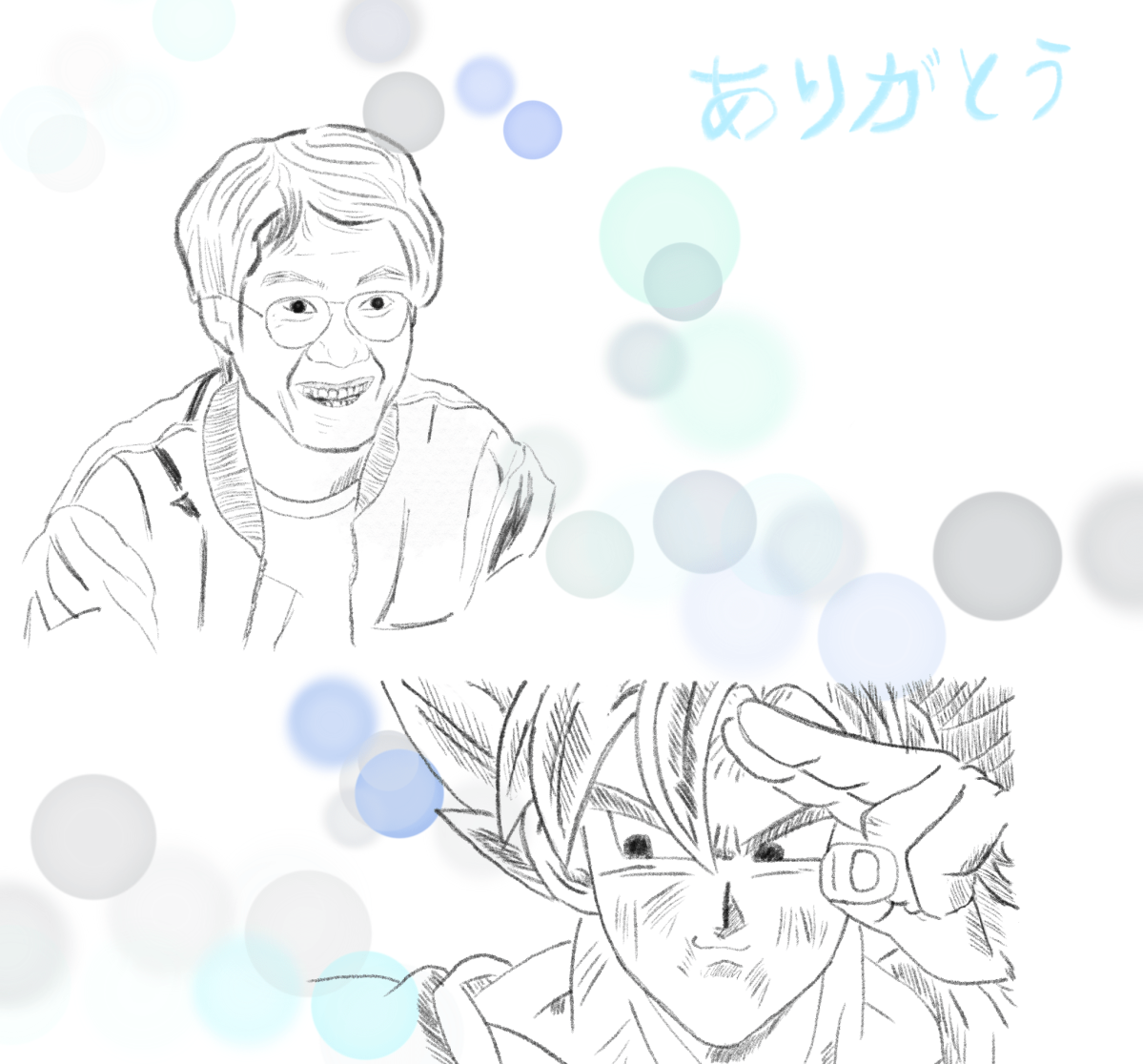
Building a Legacy – Farewell, Akira Toriyama Sensei

Don’t cry because it’s over. Smile because it happened. – Dr. Seuss

There are a few individuals I consider my heroes and role models. Foremost among them is my grandfather. The very manner of his passing dealt a big blow to everyone in my family and left an everlasting impact on my life. His death forced me to understand the reality of time and come to terms with what is a natural aspect of life. From my struggles to my greatest triumphs, my grandfather remains an inspiration in everything I do. His legacy is the deeply cherished memories we shaerd in our time together.

I can say much of the same with regards to the works of Toriyama sensei, and in particular, the Dragon Ball franchise. I didn’t grow up with the franchise as many others did. In fact, it all started with Dragon Ball Z, the official sequel to the original Dragon Ball. I was in Singapore at the time, on a family trip with my parents and my sister. My parents were eager to take us out shopping and touring but I wasn’t having any of it.

No, I was too busy hooked onto the TV watching an incredibly buff guy, with crazy hair, falling off what looked like a gigantic snake supported by clouds, and into hell. Amazingly enough, he would pat off the damage from his fall as if it were nothing, and then proceed immediately to fly straight back up to the clouds willling himself to find a way back onto the path.

And that is all I would remember about this character for some time. My parents dragged me out of the room and took us out for the day. A few years later, I would reunite with this character again at my friend’s home while playing Dragon Ball Z: Budokai on his PlayStation 2 (incidentally, also my first PlayStation 2 game ever). I was hooked and would soon get fully immersed and acquainted with the world of Dragon Ball Z and its diverse array of characters.

The series’ protagonist Son Goku was (and remains) my favorite. Goku’s ability to overcome seemingly insurmountable challanges, his enduring willpower, his undying love for friends and family, as well as his healthy appetite and joyful approach to life (a major shonen trope these days, after all, Toriyama pioneered the modern shonen manga) made it look like he had it all. For a teenager like me who was experiencing racism and segregation at school, and with barely any friends to relate to, Goku was a hero. I wanted to be just like him. I wanted to be courageous enough to accept my weaknesses and strong enough to overcome them.

Now, looking back, I can proudly say I accomplished exactly that. From overcoming my personal inhibitions to putting 100% towards my goals, I am a confident individual happily pursuing my dreams. Most importantly, through Goku, I learned the lessson of humility and to acknoweldge those who have supported and encouraged me in my journey. A quick call out to Master Roshi, I have also done my best to work hard, eat well, and sleep well, too! (Though, it has been a little more difficult, recently, with a hyperactive toddler!)

It is funny what invisible strings connect us all. I still remember those days, lying on my bed, lost in my imagination, in scenarios where I’m saving the world or facing my demons, while imitating Goku’s signature Kamahameha. Those moments are now cherished memories. Berserk’s Kentaro Miura, Yugioh’s Kazuki Takahashi, and now, Dragon Ball’s Akira Toriyama. It truly feels like the end of an era. Toriyama sensei, you have left behind a monumental legacy. Dragon Ball was my initiation into the worlds you created. Thank you for everything you did to bring your characters to life and to share their stories, as well as yours, in what has been an inspirational journey.

Celebrating Hinamatsuri and cultural connections

On March 3rd, my wife and I celebrated Hinamatsuri with our baby daughter.

Hinamatsuri, also called “doll’s day” or “girls’ day”, is one among the many beautiful traditions of Japanese culture. With preparations usually made over the preceding month, Hinamatsuri is an occasion to celebrate the health and happiness of young girls in the family.

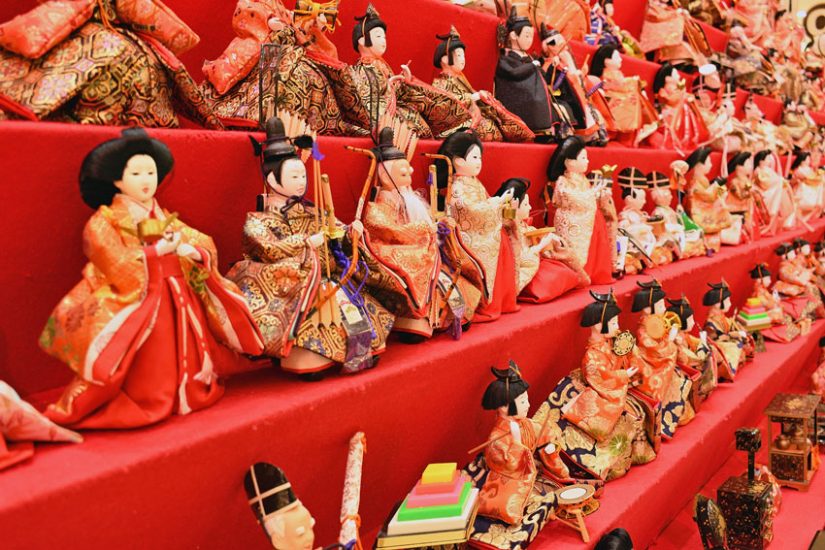
The good wishes are expressed through the consumption of specific foods and intricate displays of hina-ningyō (ornamental dolls) representing the Emperor and Empress, their attendants, and musicians in the traditional court dress of the Heian period.

Wait, let’s back up…How did this all start?

Legend has it that the practice began in China where small paper or straw dolls were used as a medium to offload and absolve people of their sins and misfortune. After rubbing the dolls over their bodies, they would then be set off on the river and float away into the ocean or the neighboring village; the point being that one’s sins were gone or quite literally swept away. These practices were emulated by Japanese aristocrats (and continues to this day in the Tottori Prefecture of Japan).

Hinamatsuri, as it is celebrated now, became fashionable during the Heian period (794-1181). The belief that one could absolve themselves of their sins expanded to include hina-ningyō and the dolls were forever symbolized as vessels for prayers of hope and prosperity.

As dollmakers got better and better at crafting hina-ningyō, their increasing prices, value, and quality also leapt correspondingly. Families no longer were keen on absolving their sins with the dolls and chucking them into the nearby river. Rather, the dolls began to be placed on show, with increasingly intricate displays.

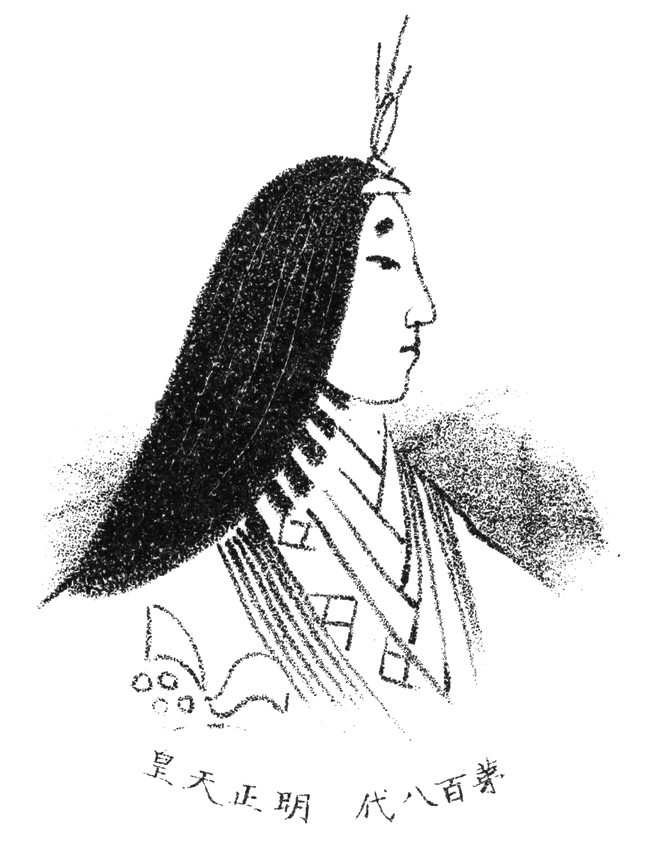
The hina-ningyō were first recognized and used in the manner they are now as part of the Peach Festival, Momo no Sekku (as peach trees typically flower around this time), when Princess Meisho succeeded the throne following her father Emperor Go-Mizunoo, in 1629.

Public domain

As female emperors were not allowed to marry, Empress Tokugawa Masako created a doll arrangement showing Meisho as being wedded. Hinamatsuri, as a festival, would officially become recognized in 1687.

So, how do we display the dolls?

It all depends on how many you have!

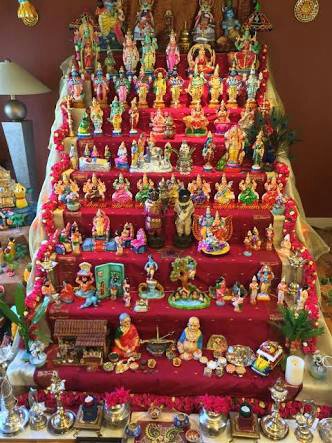
The entire set of dolls and accessories is called the hinakazari and can include up to fifteen dolls and various accessories for an enormous tiered display.

The most expensive dolls are placed at the highest tiers to keep them out of the reach of young children.

So, to start, the number of tiers and dolls a family can display depends on their budget. Generally, a set of the two main dolls including the Emperor and Empress is ample enough. The dolls are seated on red cloth amidst accessories that complete the representation of a Heian period wedding.

It is common practice for the dolls to be gifted after birth, with every girl in the family getting her own set of dolls. My wife was gifted her very own set when she was a baby by her grandparents (or my daughter’s great-grandparents). Our baby daughter got her own set (below) this year as a gift from her grandparents.

Enough about the dolls, what about the food?

My daughter asked the same question.

An assortment of treats are usually made for the occasion including Hishi mochi (multi-colored rice cakes), Ichigo daifuku (strawberries wrapped within adzuki bean paste), Sakuramochi (rice cakes with bean paste wrapped in a picked cherry blossom leaf), Ushiojiru (clam soup; the clam’s two sides fit perfectly to represent a strong marriage), and Amazake (sweet sake and non-alcoholic as we have kids involved).

-FYI, I felt real hungry as I wrote this-

Now, you don’t have to make all of this. It is difficult enough running after the little ones at home. Multi-tasking to make all these dishes, especially without assistance from other family members (as in our case, when our in-laws and immediate family live on the other side of the planet) would be a nightmare.

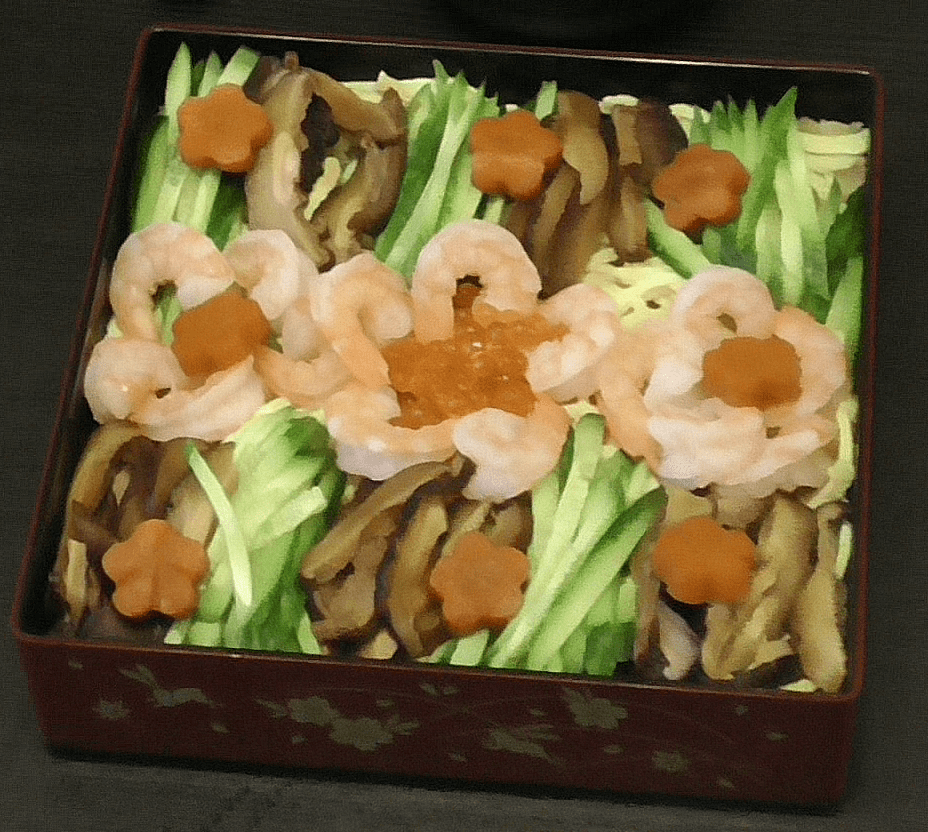
With our daughter mostly governing the house at this stage, we focused on creating one perfect dish, the Chirashizushi. This dish usually includes a combination of raw fish, veggies, and rice arranged in a bento box.

My wife’s chirashizushi included cooked shrimp, eggs, cucumbers, carrots, mushrooms, salmon caviar, and flavored sushi rice (all of which our daughter absolutely loves).

What happens to the dolls afterward? How about the boys?

Superstition states that the dolls must be put away the day after Hinamatsuri, as keeping them up any longer would result in a late marriage for the daughter. No worries here though, as this practice largely originated to protect the dolls from the rainy season and humidity that followed Hinamatsuri. Some families even keep the dolls up for the entire month.

Now, you may be wondering if this is “girls’ day,” what about the boys? Well, the boys don’t miss out as they actually have their own celebration a little later in the summer on May 5th, now known as Children’s day in Japan, but historically called Tango no Sekku or “Boys’ day.”

What’s the cultural connection?

I’m Indian and my wife is Japanese-Canadian, and we are very set on exposing our daughter to traditions from all three cultures. Whenever we discover a cultural parallel (and there are many), we are all the more excited to learn more ourselves.

In celebrating Hinamatsuri, I discovered that the festival and its Chinese counterpart share parallels with an ancient South Indian festival observed during the greater annual Hindu festival, Navaratri, in the honor of the goddess Durga. Known as Bommai Kolu, or Doll Festival, it is an occasion where young girls and women display dolls and worship the three Hindu Goddesses: Parvathi, Lakshmi, and Saraswati.

Much like Hinamatsuri, the Bommai Kolu is an occasion promoting creative expression for women and the fostering of family bonds, the difference being it is celebrated in the autumn festive season as opposed to spring.

What did we celebrate?

The family road so far has been a rough one for my wife and myself. As happy as we are in the company of our baby daughter, her birth came in the wake of a very difficult pregnancy, various health scares, and multiple hospital visits over the last two years.

Thankfully, our daughter is now hale and healthy, and living her best life while running an empire at home. She is our little queen with a big attitude, and an even bigger heart.

So, this Hinamatsuri we celebrated her good health for many more years to come, our happiness together as a family, and the joyful chaos she will be doling out on our lives.

Yu-Gi-Oh! – A never-ending journey

Hi everyone, it is nice to be back.

While I had originally been planning to write a completely different post, news about the untimely passing of Kazuki Takahashi-sensei, the creator of Yu-Gi-Oh, changed my plans.

Having watched the anime series as well as being a hardcore fan of the manga and the card game, news about Takahashi-sensei’s passing came as quite a shock.

I discovered Yu-Gi-Oh when I was around 11 years old. My family was living in Egypt at that time, which made it all the better, as the core plot of Yu-Gi-Oh revolved against the backdrop of Egypt and its ancient history.

The card games themselves were very popular at school. This was great for a kid like me especially since it was a means through which I could find some form of inclusion (against the racism and bullying) among my peers at school. On most occasions, I would be a silent observer watching my peers play and have a riot of a time during lunch breaks.

As I didn’t have the resources to buy the actual cards, I would instead watch the aired episodes, note down the cards used by my favorite characters, find images of them online (thank god for Google), print the images at the library, and then cut them out to have my own deck of printer paper quality cards.

It would take a while before I could join in on some games with my peers. There was some mockery of my cheap deck but that would change once I began winning the games. Slowly, but surely, my victories would become a means to communicate who I was as a person to my opponents. As a result, I would gain friends and a measure of acceptance, through the game, among my peers.

Twelve years would pass until I bought my first actual Yu-Gi-Oh deck in 2017. The actual decks were cool but I still felt nothing could beat the old paper deck I made back in Egypt. Thankfully, I have kept it to this day. The cards themselves are pretty worn out but the memories they hold for me are eternal.

I have re-watched the Yu-Gi-Oh! anime series several times. While some may find its plot to be childish or incoherent on occasion, its message and themes make up for all of its flaws. There is a constant callback to the power of memories, especially of loved ones who may have passed away. There is also the strength that one can find in friendship, and through it, the courage to make your own path in life.

The card games, in many ways, mirrored the emotions and reflections of the characters and their personalities.

Altogether, the series provided quite a few powerful lessons for a kid like me who, back then, was struggling with bullying and racism in what was a constant battle to find a place for myself among my peers and as an individual.

After hearing the news of Takahashi-sensei’s death, I came across a tweet that posted the afterword he had written following the final chapter of his manga,

Suffice to say Takahashi-sensei, you succeeded. Atem said it best,

The gift of kindness you’ve given me, and the courage I’ve given you will remain with us, and that will forever bind us together.

Thank you for the gift you have given me and many others around the world through your work, and the characters you brought to life.

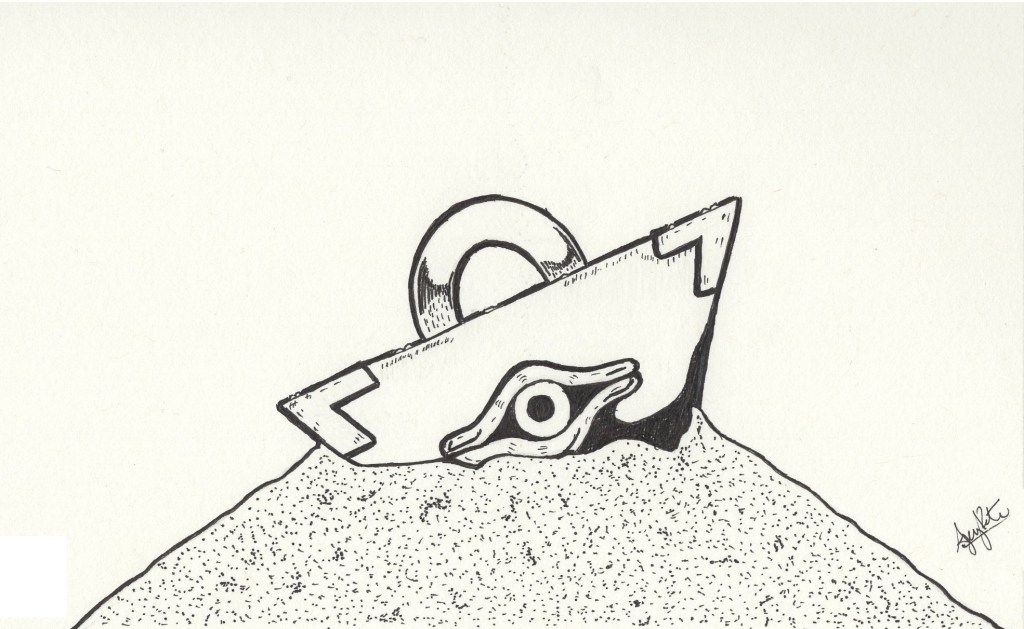
There, in the desert, I found a puzzle. Within it, resided a story. A story about the power of friendship, the value of compassion, the strength of courage, and the never-ending journey that is our memories of our loved ones. Thank you, Takahashi-sensei. You remain an inspiration for me in my own journey as an aspiring artist and writer.

Observing traditions in a multi-cultural family

Growing up in a Christian family in India meant we had a slightly different schedule of festivals to celebrate throughout the year compared to our neighbors who were predominantly Hindus. That didn’t stop my family from engaging in a few of the Hindu festivals and traditions.

Indian culture is a multifaceted entity with thousands of unique traditions and customs present in the country. A lot of these traditions, while built within a religious foundation (Hinduism), are often interpreted as setting the norm for daily life, especially surrounding family. When my family left India, all the way back in 2001, my parents strived to maintain those traditions at least within the circle of our own religious beliefs. As I grew up, those religious beliefs were molded by my personal experiences in life.

So, there I was in Christmas 2021, singing along to the Gunter Kallmann Choir Christmas playlist while packing up our apartment with the help of my baby daughter. This choir was a favorite of my grandfather’s and the carols brought back nostalgic memories of celebrating Christmas Eve at my grandparents’ home.

Draped over the chair, in the opposite corner of the living room, I recognized the veshti I had worn just a few weeks back when we had celebrated Diwali, the Hindu festival of lights.

One of the most popular festivals in Hinduism, Diwali symbolizes the victory of good over evil, and is celebrated between mid-October and mid-November.

I had cooked a traditional feast for my wife and daughter (who indulged as much as possible for her age) while wishing family and friends to share in our joy, much like we would later do on Christmas Eve.

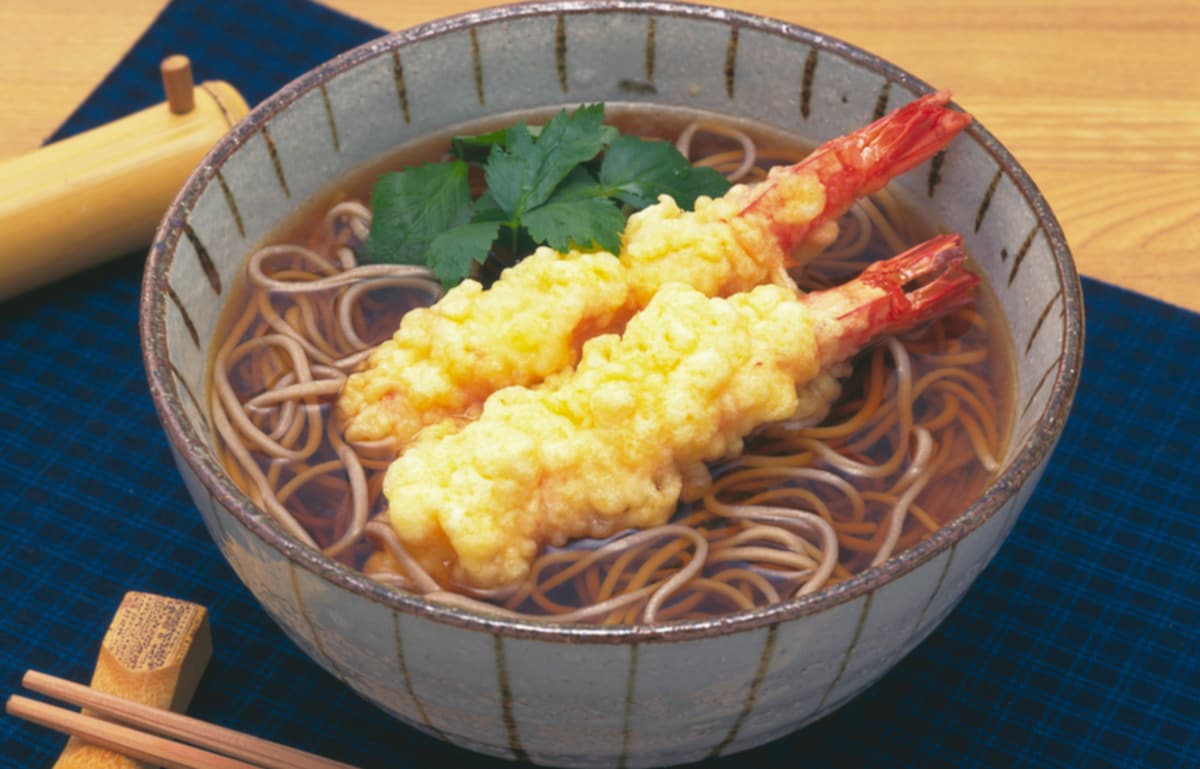
These celebrations were followed by several others, this time from my wife’s side of the family, who are Japanese. We observe our last meal of Toshikoshi soba on New Year’s Eve,

Toshikoshi soba is a noodle dish eaten on New Year’s Eve, and isa customary practice to let go of the hardships of the year, represented by the soba noodles that are easily cut while eating.

followed by Nanakusa no Sekku or the Festival of Seven Herbs, on January 7th.

Nanakusa no sekku is a custom where one eats seven (nana)-herb rice porridge to ward off evil and celebrate longevity and good health.

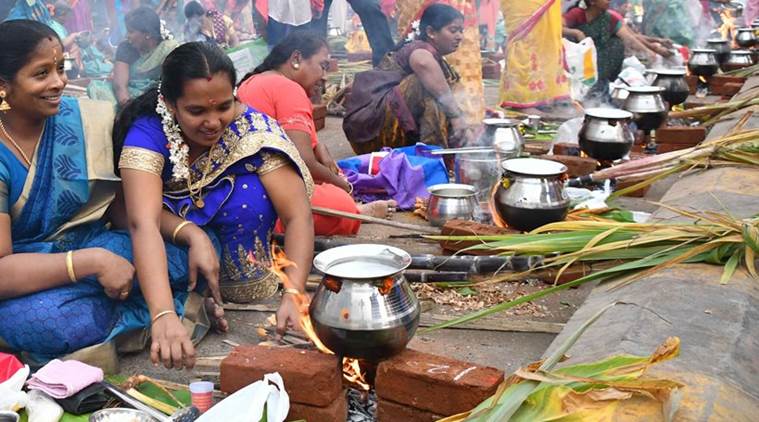
A week after that, we would once again come full circle, by celebrating Pongal, a multi-day Hindu harvest festival observed by Tamils in India.

Pongal celebrates the first harvest of the New Year. The festival is named after the ceremonial dish “pongal”, which means to boil or overflow, prepared from the new harvest of rice boiled in milk with jaggery or raw sugar.

What was the point of all of this? Why celebrate so many different festivals of varying origins?

The answer has to do with my struggles to find the best of both worlds in balancing my cultural norms with those of others I grew accustomed to while living in Egypt, Sudan, Sierra Leone, and Canada. Now, as a father, I wished to create a family tradition for my baby daughter that was open-minded, contrasting to the chaotic nature of discussions in the name of religion, while providing a platform honoring and respecting people’s religious choices and faith.

By integrating these different festivals and celebrations, I wish to create an environment that would hopefully allow my daughter to embrace different cultures and respect their traditions, as she grows up. Christmas, beyond the religious stipulations, always represented happy memories with family. It was a period of time when we could all come together, revel in trivial pursuits and games, and just be happy for each other. 

That emotion of familial joy became permanently affixed to many of the other celebrations my parents had observed, outside of our religious circle, in festivals like Diwali and Pongal. Diwali, for me, was just a different kind of Christmas, and Pongal was a different New Year’s celebration. Together, they both meant being with family and being happy. Growing up, I realized that just because my family identified with one religion didn’t necessarily mean I couldn’t embrace or observe the traditions of another faith. To that end, I met a perfect partner in my wife who shared the same opinion.

While we can’t guarantee what our daughter will remember about how we celebrate the holiday season, I’m happy that we have started a dialogue of sorts where she could explore at her own pace the similarities and differences that various faiths have to offer. As she grows older, we will support her desire to explore the world in her own way whether it meant celebrating Hindu festivals, learning the meaning behind Shinto rituals and traditions, or simply lighting up the Christmas tree in the living room.

In the meantime, Christmas 2021 and New Year 2022 provided the perfect ending to our journey in Edmonton (for me and my wife) and the beginning of a new adventure in Calgary. In the years to come, I hope to continue engaging in this open dialogue with my daughter as we observe traditions from both sides of the family.

Through it all, I have one hope for her: that she will one day grow to remember, much like her mother and father, that by embracing something new and different you are not losing yourself but expanding and learning on what you already have.