The Homes That Have Defined Me

Until recently, I have always struggled to answer the question, “Where is home?” The answer I found isn’t anything special. There is a good chance you can actually find it at your neighborhood’s home décor store, plastered across a wall hanging, “Home is where the family is. ” 

Now, to be a little more specific, that puts us in Calgary, Alberta. For someone who has spent much of his life moving from one place to another, my hope is that Calgary will become a permanent settlement, in terms of longitude and latitude.

This doesn’t take away the valuable lessons I have learned living a life in transit. It has taught me that nothing is permanent, that every beginning has an end, and most importantly, that change is natural. Knowing and literally living these statements finds me grateful for the opportunities I have been given, the wonderful people I have met along the way, and the experiences I have had thus far in my life.

The journey came with its share of good and bad, but I’m thinking I will lean more on the good side of things for today. 2026 is a year of commitment, and it sees me embark on a lifelong dream: becoming a full-time writer. The Pensive Reverie has been all about sharing this journey with my readers, so I felt it was right to share a little more about this up-and-coming author’s origins.

As in most stories, this calls for a flashback that demonstrates the why behind our hero’s journey and what has led him to where he is now. If you haven’t caught on, that mildly unimpressive hero with wildly elaborate dreams is yours truly. The flashback concerns the different homes that defined my personal growth and continue to inspire my writing.

Our journey begins in Madurai, India.

The city of temples is where I grew up. Today, it is a time capsule of sorts. A few years back, when I returned to India (after nearly six years away), I had to accept that the Madurai I knew was long gone. It is now a core memory of my childhood. Back then, I was in my element and at home. I got a whole lot of love from my grandparents, who lived practically next door to us. My grandfather introduced me to the concept of faith and religion, while my parents served as a reference point to my culture. I took in everything without question. The world was small, and I felt secure about who I was and wanted to be, until the land of the pharaohs stole me away.
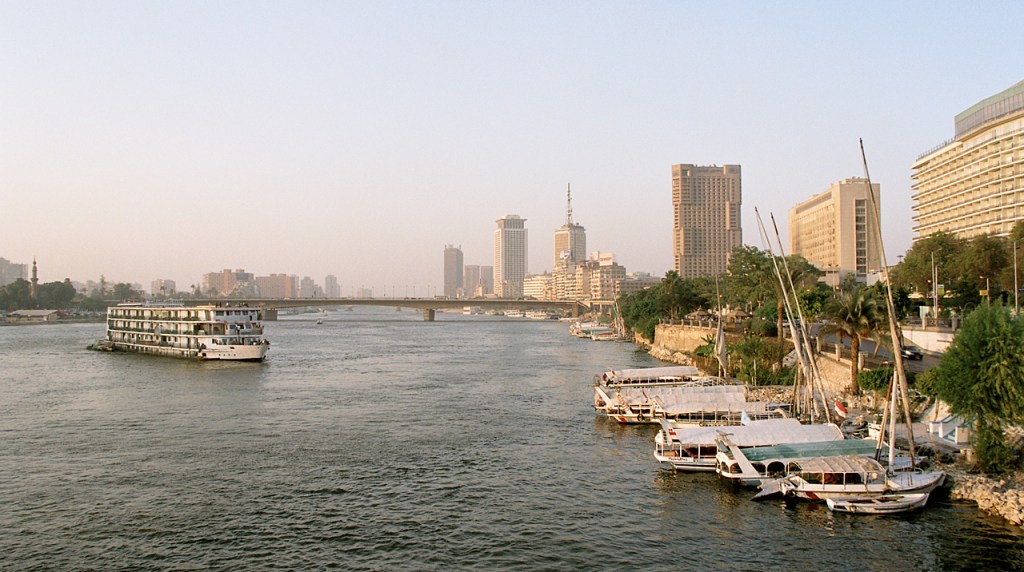
My family moved to Cairo, Egypt, in the early 2000s. The bubble that represented my worldview till that point fell apart. Here was a beautiful city with such a rich history. There was so much to learn, so much to see, just so much of a lot. I discovered the World Wide Web, and I also got to knock heads with racism. Here, in the land of the pyramids, I learned a new language, was introduced to a very different culture and religion, and just about everything that wasn’t India. I also began to question who I could be and where I could go. I never really thought much about it, but looking back now, the seeds of change had begun to take root in my psyche and worldview. Eventually, my journey with the pharaohs pushed me further into the desert.
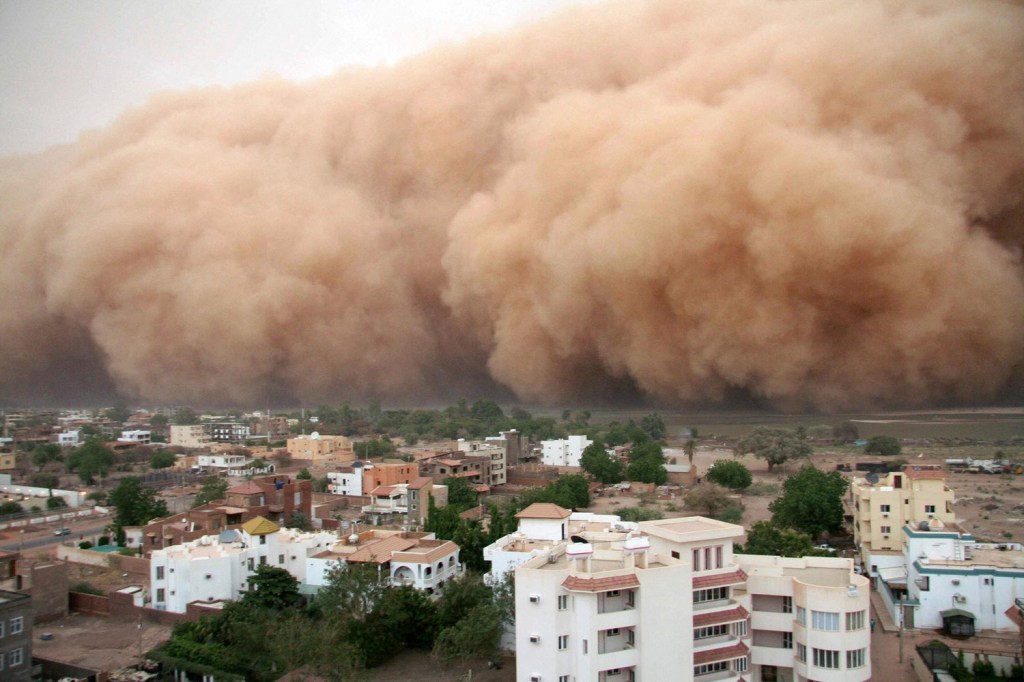
My family moved to Khartoum, Sudan, where I would see off my high school days. My tangle with racism still hung over me like a cloud. I was depressed and unsure of myself. Thankfully, the winds of the desert helped me dispose of these feelings. During my time in Sudan, I fully recognized the dilemma of my identity, lost and floundering between the cultures I grew up with and the one I was born into. I mused about the future and wondered how my family and loved ones would receive the differences in perspective I had begun to harbor about myself and the person I was becoming. To resolve this issue, I embarked on a journey across the oceans to Edmonton, Canada.

What followed was the rollercoaster ride of university life. There, in that battleground, I confronted my personal insecurities and settled an identity crisis spanning several years of my life. I discovered the expectations I had set on myself and those that had been set upon me, and in that process, I found myself and someone else who believed in me. Now, I’m married to that someone and have a family of my own.

Which brings us back to where I am now in Calgary. As for all those homes of my past, they exist as a well of inspiration for me to continue my journey of personal growth. The places I left behind over the years have changed, and I can never go back to how things used to be, making those memories all the more special.

Amidst all these years of transition, my love for writing has remained the one constant. It is now my safehouse and the place where I’m happiest when I’m by myself. I love being immersed in the worlds of my imagination, and now I’m finally taking the steps to bring them closer to reality so I can share them with everyone.

They say that sometimes the journey can be the destination, and it certainly has been for me. Where the road leads next, I will have to wait and see!

Yu-Gi-Oh! – A never-ending journey

Hi everyone, it is nice to be back.

While I had originally been planning to write a completely different post, news about the untimely passing of Kazuki Takahashi-sensei, the creator of Yu-Gi-Oh, changed my plans.

Having watched the anime series as well as being a hardcore fan of the manga and the card game, news about Takahashi-sensei’s passing came as quite a shock.

I discovered Yu-Gi-Oh when I was around 11 years old. My family was living in Egypt at that time, which made it all the better, as the core plot of Yu-Gi-Oh revolved against the backdrop of Egypt and its ancient history.

The card games themselves were very popular at school. This was great for a kid like me especially since it was a means through which I could find some form of inclusion (against the racism and bullying) among my peers at school. On most occasions, I would be a silent observer watching my peers play and have a riot of a time during lunch breaks.

As I didn’t have the resources to buy the actual cards, I would instead watch the aired episodes, note down the cards used by my favorite characters, find images of them online (thank god for Google), print the images at the library, and then cut them out to have my own deck of printer paper quality cards.

It would take a while before I could join in on some games with my peers. There was some mockery of my cheap deck but that would change once I began winning the games. Slowly, but surely, my victories would become a means to communicate who I was as a person to my opponents. As a result, I would gain friends and a measure of acceptance, through the game, among my peers.

Twelve years would pass until I bought my first actual Yu-Gi-Oh deck in 2017. The actual decks were cool but I still felt nothing could beat the old paper deck I made back in Egypt. Thankfully, I have kept it to this day. The cards themselves are pretty worn out but the memories they hold for me are eternal.

I have re-watched the Yu-Gi-Oh! anime series several times. While some may find its plot to be childish or incoherent on occasion, its message and themes make up for all of its flaws. There is a constant callback to the power of memories, especially of loved ones who may have passed away. There is also the strength that one can find in friendship, and through it, the courage to make your own path in life.

The card games, in many ways, mirrored the emotions and reflections of the characters and their personalities.

Altogether, the series provided quite a few powerful lessons for a kid like me who, back then, was struggling with bullying and racism in what was a constant battle to find a place for myself among my peers and as an individual.

After hearing the news of Takahashi-sensei’s death, I came across a tweet that posted the afterword he had written following the final chapter of his manga,

Suffice to say Takahashi-sensei, you succeeded. Atem said it best,

The gift of kindness you’ve given me, and the courage I’ve given you will remain with us, and that will forever bind us together.

Thank you for the gift you have given me and many others around the world through your work, and the characters you brought to life.

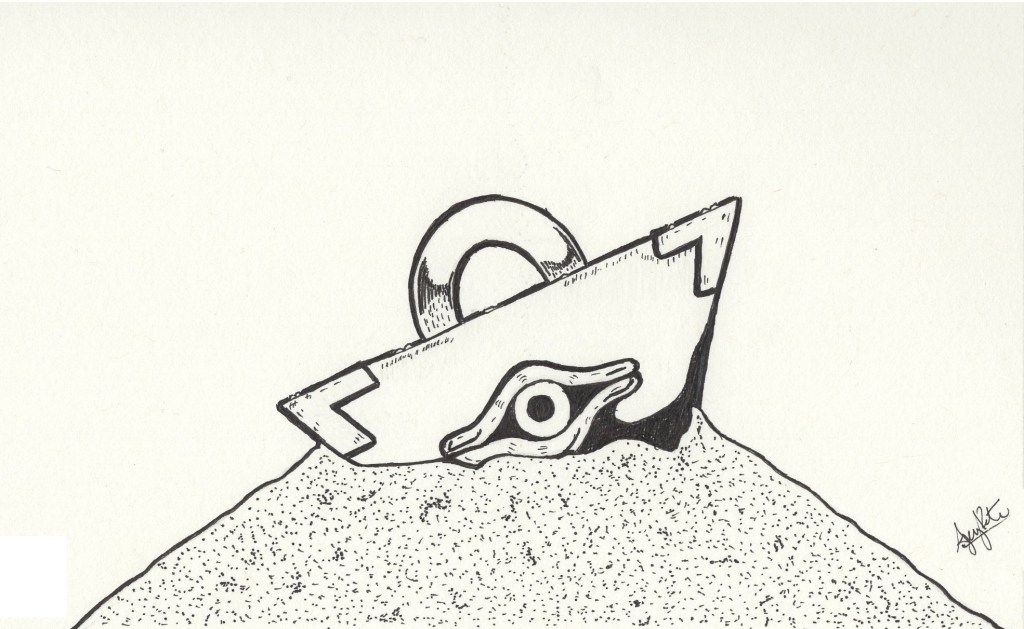
There, in the desert, I found a puzzle. Within it, resided a story. A story about the power of friendship, the value of compassion, the strength of courage, and the never-ending journey that is our memories of our loved ones. Thank you, Takahashi-sensei. You remain an inspiration for me in my own journey as an aspiring artist and writer.

Dealing with Change – Redefining the present

Growing up in Madurai, India, I didn’t know much about the outside world beyond my hometown. When I was 10, my family moved to Egypt. We would spend five years there before moving to Sudan. Once I completed my secondary education in Sudan, I would depart to Canada for higher studies. Meanwhile, my family continued to travel around the world to Sierra Leone and UK, before finally returning to India.

The near-nomadic lifestyle my family adopted had its fair share of advantages and disadvantages. On one end, I obtained the best resources available for my education. Experiencing different cultures widened my perspective and helped in my personal growth as a young adult but it was also difficult when I had to confront cultural differences as I became exposed to multiple others.

On the other hand, moving from one place to another was not easy. For every hello, there was a goodbye. I did not like that. Suffice to say, completing my doctoral studies in Edmonton last year, the looming reality of a move to another city was not an exciting prospect.

Having lived in Edmonton for nearly twelve years, I did not want to leave. Newsflash! I had grown to dislike change. Some of my most cherished memories from university, like meeting my best friends and my wife, all happened in Edmonton. All of this made Edmonton, a second home of sorts. So moving, even if it were only three hours away to Calgary, was a difficult pill to swallow.

I wanted to resolve this issue and I found my solution in the most unexpected of sources: my baby daughter. She has the power to induce what I call an oxymoronic reality. In watching her grow and looking after her, she makes me feel that years have gone by when in reality no time has passed at all. Einstein’s relativity can take the backseat when it comes to her. In fact, daily life is a dynamic endeavor with her in the picture and change is the new normal.

Now they say that with age comes a reluctance towards change. Ironically, change is the defining theme to my daughter’s growth. It comes in a multitude of forms like separation anxiety, teething, learning to walk, etc. One way or another, I had to get used to it.

Weirdly enough, when push came to shove, I found myself willing to confront whatever my daughter had to throw at me head-on, without any uncertainty on my part and especially if it meant her happiness and comfort. It is in that spirit I realized, spending the last few months juggling between a one-man unpacking team and father, that change is not harmful. Rather, it helps maintain a healthy relationship between one’s past, present, and future.

Farewells and new beginnings will always be a part of this and I found comfort in knowing that whatever is lost to the past lives on in the present that I get to experience. My past made my present possible.

All this reflection brought me back to a quote/personal motto of mine back in high school, “Cherish the past, live the present, and happily anticipate the future.” Funnily enough, it is only now that I have realized the true meaning behind this statement. Better late than never!

Having now moved to Calgary, there is much to anticipate for the future, not to mention whatever new problem my baby daughter will throw at me and my wife tomorrow. In all of this, I take my misgivings in a positive light and focus on what is most important: the present, where I am now in pursuit of my dreams, growing alongside my baby daughter, and indulging in the changes that will be wonderful memories to cherish in the future.

Book Review – Redwall – A Journey In Childhood Nostalgia

“It was the summer of the late rose.” The year was 2002, and I was a scrawny 11-year-old kid, sitting in a corner at the school library, fully immersed in Brian Jacques’ Redwall. A year had passed since my family and I first arrived in Cairo, Egypt. I was admitted at the Cairo American College (CAC) International school to complete my elementary and middle school education. The lack of a strong foundation in spoken and written English led to my registration in the English as a Second Language (ESL) program. The school library, with its treasure trove of books and resources (I hadn’t actually ever visited a library in my life till then), would naturally become a second home in my efforts to improve my hold over the English language.

redwall1

My finding of Redwall was preceded by my discovery of another great literary work in J.R.R. Tolkien’s Lord of the Rings. I was largely drawn to the illustrations on the book cover, alongside the descriptive maps in the appendix. Jousting my way through the first few pages of The Fellowship of the Ring I would ultimately give up, confused and frustrated in my inability to understand the contents.  A friendly librarian would see to it that my efforts weren’t wasted, suggesting an easier (and more suitable) read of the fantasy genre in Brian Jacques’ Redwall. Thus began my adventures with the peaceful creatures of Redwall Abbey, a journey that continues to this day.

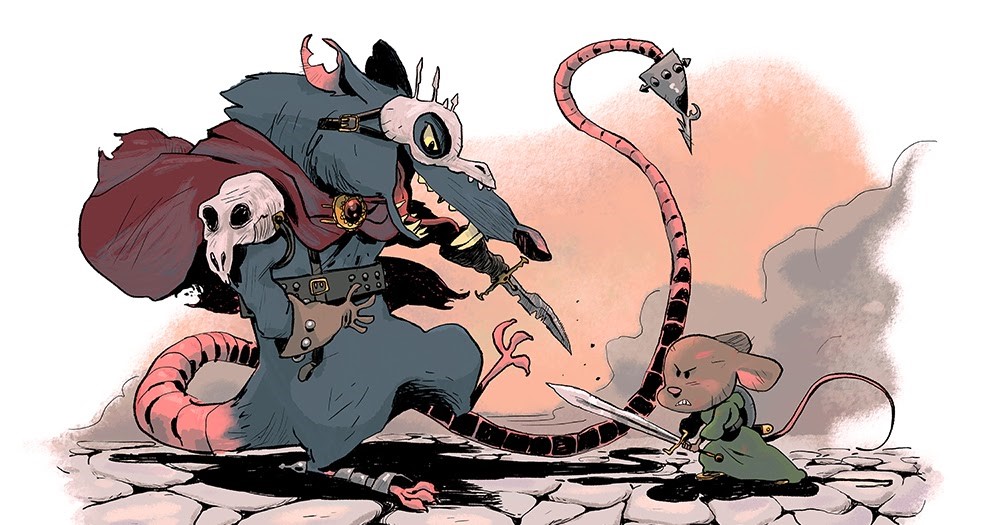
Redwall follows the tale of a young mouse named Matthias who dreams of adventures as opposed to the quiet and peaceful life of servitude he is advised to follow by his mentors and the inhabitants of Redwall Abbey. When the abbey’s tranquil atmosphere is destroyed by the coming of Cluny the Scourge, an evil-one eyed rat warlord, Matthias must find the courage necessary in himself to step forward, become the champion of the abbey, and protect his family and loved ones.

redwall2

The primary theme of Redwall is centered on the triumph of good over evil. Jacques does not shy away from describing the harsh realities of battle, and death through the medieval setting upon which the peaceful mice, badgers, voles, hares, squirrels, sparrows, and moles fight and defeat the violent rats, weasels, snakes, stoats, and ferrets.Jacques follows the traditional template of the monomyth or the hero’s journey in his protagonist, Matthias. Matthias’ story begins at Redwall Abbey but the impending danger upon Cluny’s arrival sends him on a journey through the heart of Mossflower Woods, deep within the forests, where he faces and succeeds in the hero’s challenge to obtain the courage required to save the abbey and vanquish its enemies.

redwall3
“Imagination is a gift given to us from God and each one of us use it differently.”

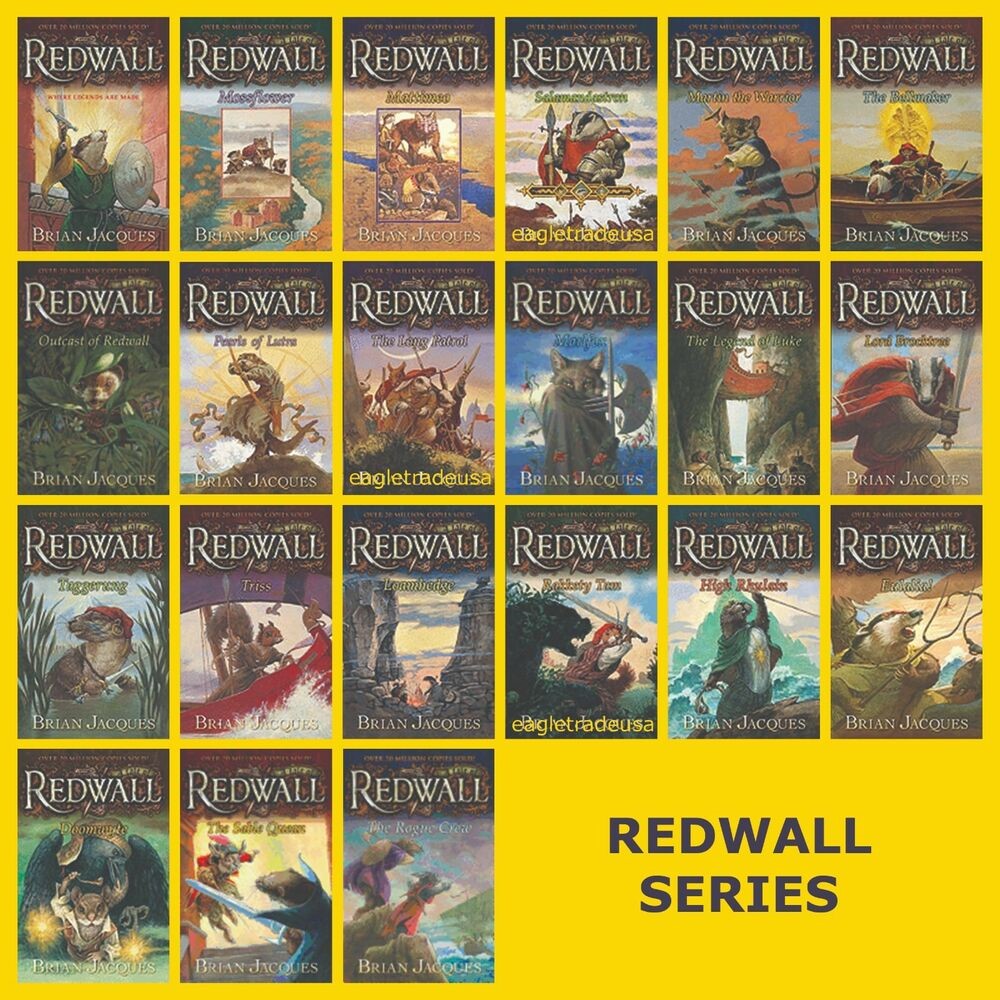
Jacques’ vivid descriptions of his characters, as well as his unique style in combining action, poetry, and songs makes for a wonderful read for both children and adults alike. It comes of no surprise then that Jacques’ Redwall  was originally dedicated to his friends, the children of the Royal Wavertree School for the Blind, whom he first met while working as a milkman. The success of Redwall kick-started the growth of a 22-book series that now has a lasting legacy as among the best of children’s fantasy novels.

Reading Redwall in 2002, I was captivated by the world Jacques’ had constructed in his novel. Now, almost 17 years down the road and having recently re-read the novel, I cannot deny the childhood nostalgia that sums my experience of Redwall and the influence it has had in my own efforts to writing books in the fantasy genre for a diverse audience. The enduring cast of Redwall characters, their trials and tribulations, and their ultimate success provide, in my humble opinion, valuable lessons in courage, love, peace, family, and freedom. While the overall series may be guilty, on certain occasions, of recycling old plot lines and propagating an obvious pattern of predictability, Jacques’ Redwall sets the stage for an unforgettable journey alongside memorable and diverse characters in a story that is full of heart.

redwall4