Kengan Ashura – The Art of Fighting

When you are sick, and your immune system is busy waging war while you feel like crap, the best motivator can be watching someone else getting beaten up for a change.

That didn’t come out right. Let me try again.

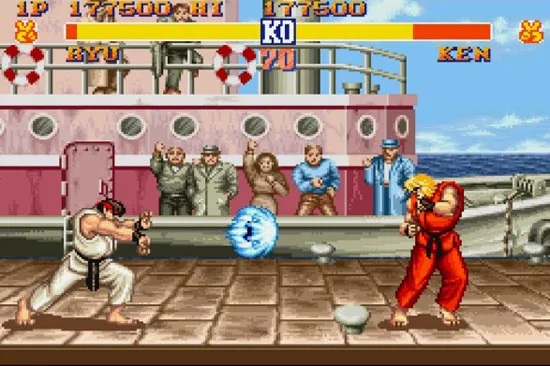
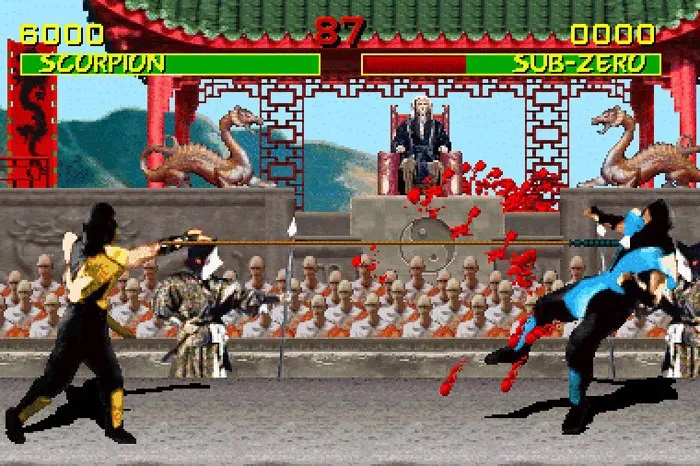
First and foremost, I do not condone any form of violence, but whenever I’m sick, I find my favorite pastime to either involve watching or playing action-oriented anime OR button-smashing fighting games.

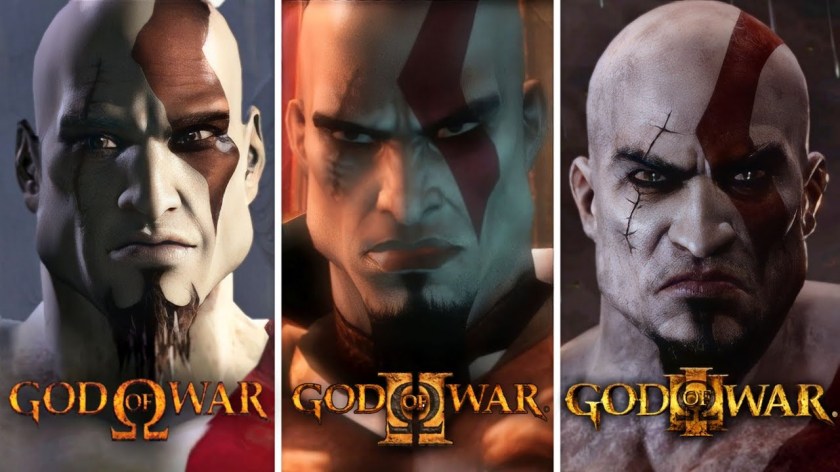
In the past, during an episode of viral fever, my wife (then girlfriend) stocked me up with electrolyte drinks, snacks, and soups, then left for work, expecting me to get some good rest. She returned to find me sitting on the couch, surrounded by the very same, playing God of War on my PS3. I actually finished the original trilogy that one week while I was sick.

This was when I was in my 20s. Now, after breaching the 30s, the warranty on my body parts has reached its final days. Video games don’t come as easily now. The fingers cramp up, and the shoulders ache. So, I’ve chosen the easy way out: Netflix. If you haven’t caught up, this is why I couldn’t bring myself to publish a post last weekend.

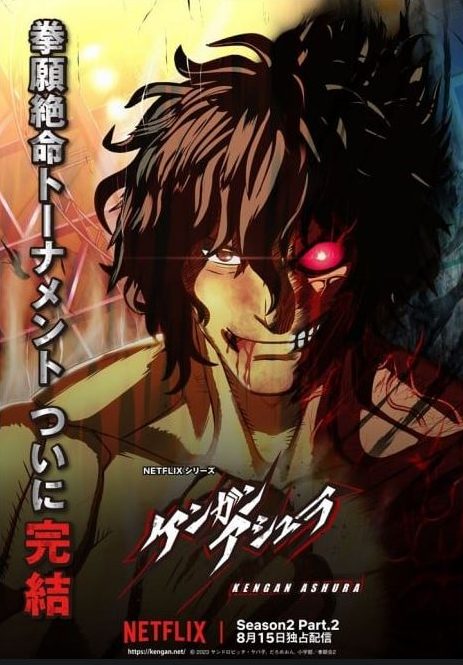
Now, being sick is as much a physical battle as it is a mental one. For a guy with allergies and nasal inflammation, catching a cold is never fun. It helps to get motivated, and what better way than to immerse yourself in an imaginative world of martial arts fighters. So with watery eyes, I looked down my Netflix playlist and got down to rewatching a classic: Kengan Ashura.

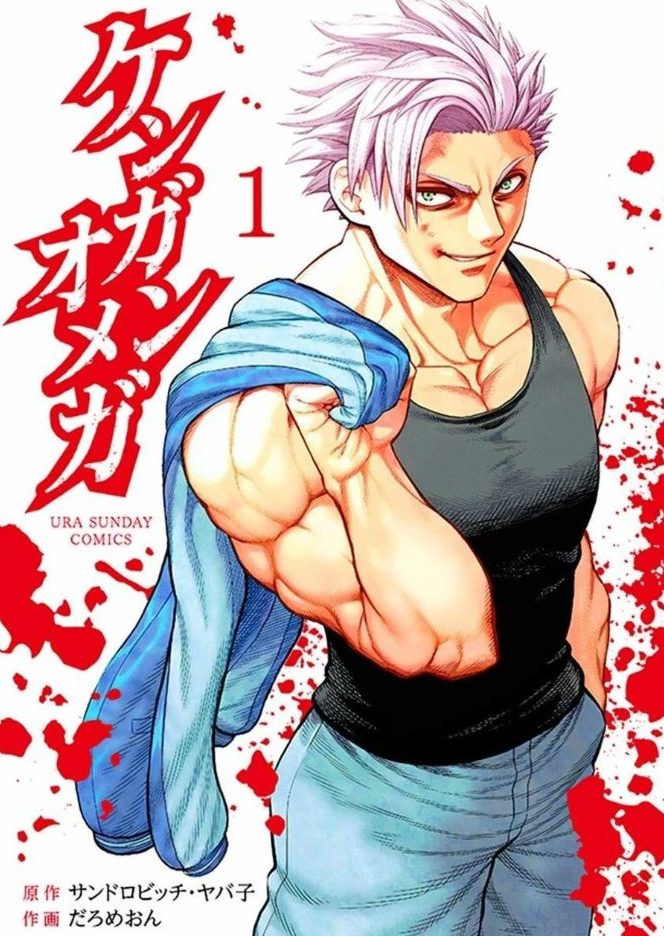
The Kengan Ashura series premiered on Netflix in 2019 and concluded in the summer of 2024. I was a latecomer and only got around to watching it in 2023. The series remained incomplete, and unable to contain my curiosity, I ended up reading the entire manga while waiting for new episodes.

Long story short, as far as action-oriented anime within the combat sport/martial arts genre goes, Kengan Ashura ranks among my top favorites. What makes the Kengan series unique in its genre is the protagonist’s journey. The traditional Japanese fighting anime trope usually involves a main character with little to no skill. This individual has to work hard to get to the top. Add a pinch of “power of friendship” and a “genius rival” to push him forward, and you have a classic shonen fighting anime script in your hands.

For those older anime fans (like me) who have grown tired of this formula, Kengan is a breath of fresh air. The crux of the plot unfolds in a high-stakes underground martial arts competition to determine the chairman of the Kengan Association. Corporate CEOs sponsor fighters in brutal, often no-holds-barred matches, with the winner deciding the new chairman or taking control of the association.

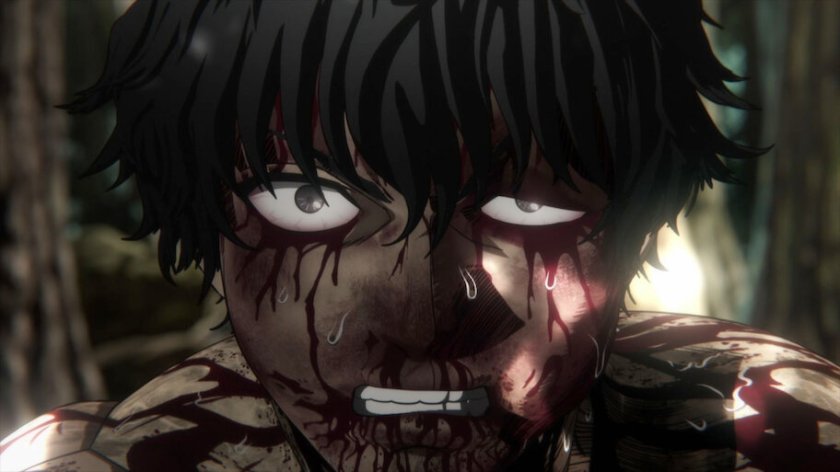
Our protagonist, Tokita Ohma, is battered from the beginning, and not for lack of skills. Ohma is a prodigious martial arts talent, but his tourney is a brutal struggle with a healthy dollop of bodily injury, psychological damage, and lots of pain. At some point, you feel like you are watching an 80’s rear-wheel drive Pontiac driving up an icy hill without any snow tires. On several occasions, the audience is left to wonder when Ohma will gas out.

Of course, there is a reason why Ohma is putting himself through this literal hell. I won’t spoil that particular plot thread, but what I did love is the throwback to martial arts characters from old-school Hong Kong shaolin cinema of the 80s and 90s. Ohma is a warrior, and he wants nothing more than to better himself on that path. How he gets to achieve this, and if he does, is the story, and one with a surprise ending. By the end of the series, you can clearly tell that Kengan Ashura has a lot more to give, with hints peppered throughout the series of a wider universe to explore.

Kengan Omega, the official sequel, while certainly great, personally does not touch the same peak as its predecessor.

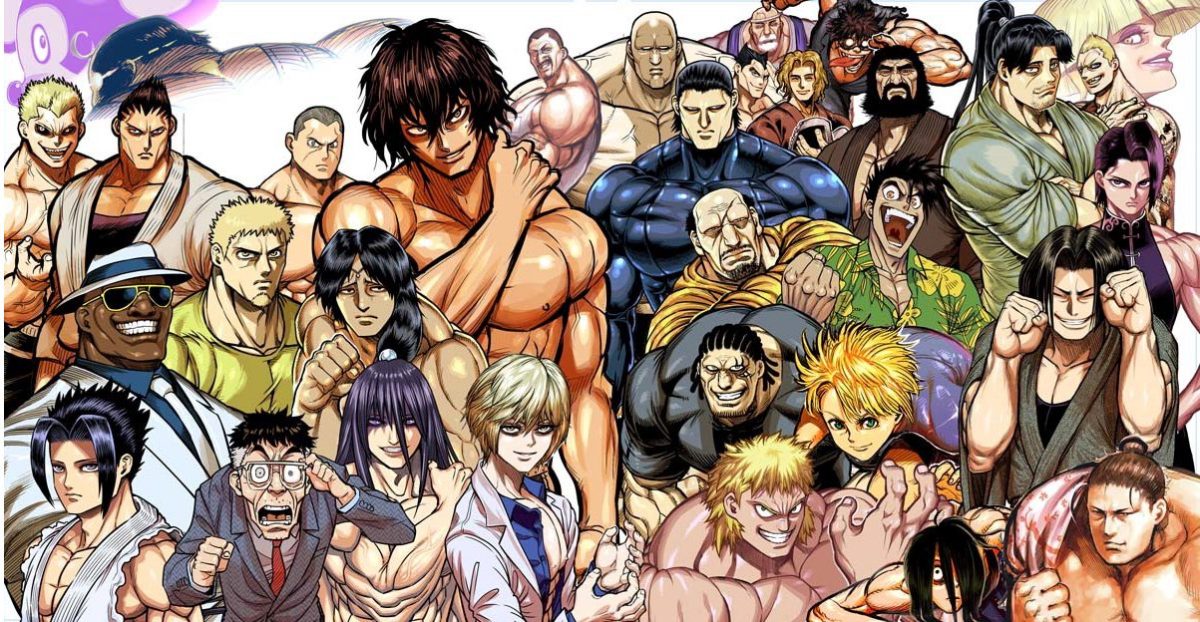
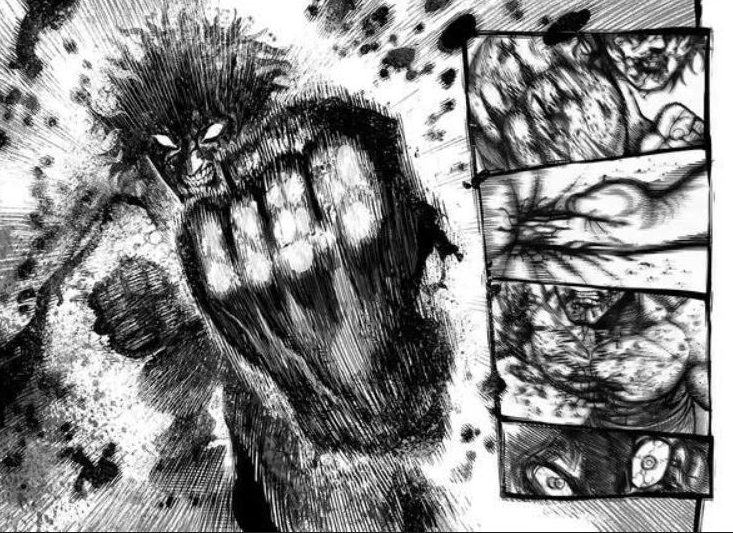
Nevertheless, Kengan Ashura is perfect as a one-off. Aside from the writing, the art is highly applaudable. The artist Daromeon goes to great lengths to convey dynamism in the fighting sequences.

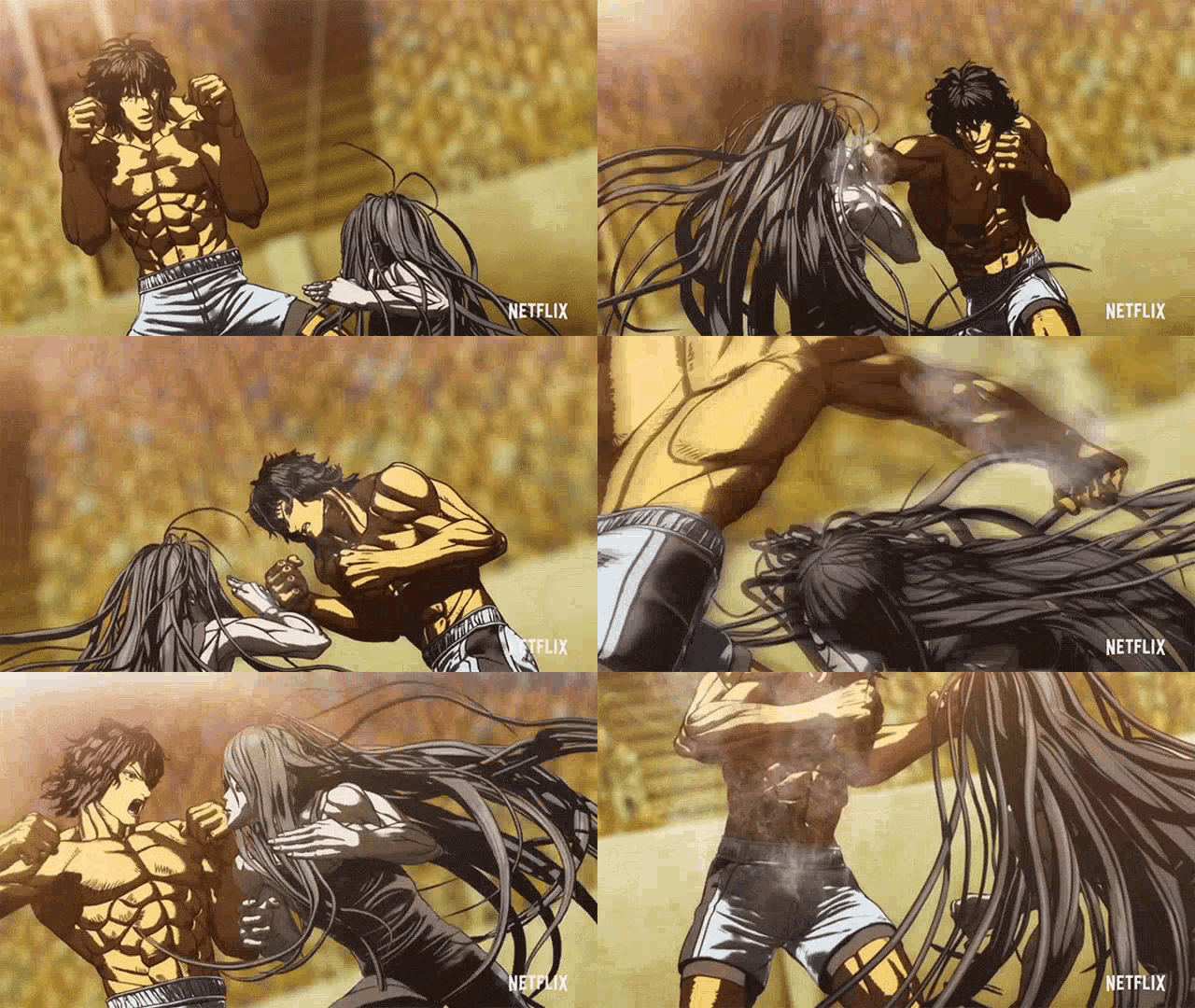
As a student of figure drawing and anatomy, I greatly appreciated the breakdowns and inspiration I found while going through the panels. It is rough work, but it flows perfectly. The anime uses 3D CGI, with mostly static 2D backgrounds, while the character models and action are in 3D. While a few may disagree, I felt this was perfect for showcasing the martial-arts choreography required by the manga.

Last but not least, Ashura is also one of the few manga in which side characters receive great characterization. A tournament-style progression to the story also makes it easy to keep the cast tight and involved at all turns. This provides ample screentime for everyone’s favorites, barring a few cuts here and there in some fights.

That settles it! Now, while I continue the good fight against my cold (almost back to 100%), Kengan Ashura awaits new readers. I highly suggest giving it a chance, and if you are not so much into reading, the anime is a respectable adaptation you can enjoy on Netflix. Until next week, toodles!

Retro Gaming: NES Classic Edition Review

My first experience of a video-game involved assisting a prince, hailing from Persia, on his mission to defeat his enemies and reunite with his beloved princess (third-wheeling taken to the next level). I achieved this while sitting on a plastic chair in a makeshift computer room built out of the lobby of our rental home in India. Not too shabby for a kid.

In retrospect, I count myself lucky that my parents were able to afford a computer, albeit secondhand, with such technology being a luxurious commodity in the neighborhood we lived in (this was around the early ’90s). A few years later, my parents would purchase their own home, and following my eighth birthday my father would gift me a SEGA Genesis Console. The console came with several game cartridges detailed with vibrant pictures and game titles.

Each cartridge supposedly held 1000000 titles. For a kid who loved video games, this was jackpot. I was awestruck. I realized that even if I were to play all day long, I could never finish all the games. Instead, I decided to finish them one at a time. Sadly enough, the console itself wouldn’t last the challenge, crapping out a few months down the road. A decade later, I realized that this console was a bootleg version of the original. I should have known better especially since the 1000000 titles in 1 cartridge was pure hogwash, but 1000000 repetitions of the same 30 games (I have to give props to the varying permutations they used to make it seem that there were actually 1000000 games).

A perfect April Fool’s gift for your kid…I wonder if my father had been planning the same. 

None of the games even belonged to the SEGA platform but instead originated from the Nintendo Entertainment System (NES) console, otherwise known as the Family Computer or Famicom. Fast-forward to 2019, I would go on to purchase the small bundle that is the NES Classic Edition. Sold at a very reasonable price, the miniature version of the original Famicom, comes loaded with 30 classic Nintendo games (I made sure) in what is a retro blast from the past.

The original NES as launched in 1985 (Left), and the NES Classic Edition (Right) released in 2016.

My father once stated that I would eventually grow out of video games. He was partly correct. My current half-life playing a game on a console/PC is about 30-45 minutes before my brain switches off. It wasn’t the same with these classics though.

In modern gaming, one has the option to selectively spawn at particular levels and save their progress through a game. Things weren’t the same in the ’90s, where failure in a game literally meant you start again from square one. I’m guessing those countless failures contributed to my inherently stubborn nature to successfully finish any job that I’ve started be it household cleaning to actual experiments in the lab.

In that sense, the NES Classic Edition, provides a bout of nostalgia for all the 80’s and early 90’s kids who wish to re-indulge in the fantasy worlds that made our childhood. An added bonus is offered in tempering our unchecked anger when our character fails a jump and falls under the screen only to resurface back at Level 1.

Yeah…not gonna make that one alright. 

The NES Classic Edition remains available largely through Amazon for 100 USD (make sure to purchase the ones distributed by Nintendo and not by other third-party distributors) which offers the lowest price rates compared to other retail outlets such as BestBuy, GameStop, or Walmart.

Along with the classic NES controller (extension cords have to be bought in addition), the NES Classic Edition does offer a few updates. One can now save the game using suspend points with four slots allotted for each game, thus allowing one to save a perfect run for as long as it lasts with no danger of losing your progress. My personal favorite feature of the NES Classic Edition console is the option to switch between three different display filters:

  • CRT Filter: makes your display similar to that of an old TV, with its characteristic scan lines.
  • 4:3 Filter: the original NES game look
  • Pixel Perfect: each pixel is displayed as a perfect square providing a vision of the game exactly as it was to be visualized.

So, for those “old-time” gamers in my audience, and for those who are just as much interested in having a peek at the ’80s and early ’90s gaming landscape, give the NES Classic Edition a try.  It is no E.T. (the game) so I can guarantee you will enjoy it! For those who swing with SEGA or PlayStation, the classic variants for these consoles have also been released with preloaded representative games of their genre.

All in all, my review of the NES Classic Edition console is 5/5 in what is a fun ride through the past, and perfect for passing time during that lazy afternoon over the weekend.