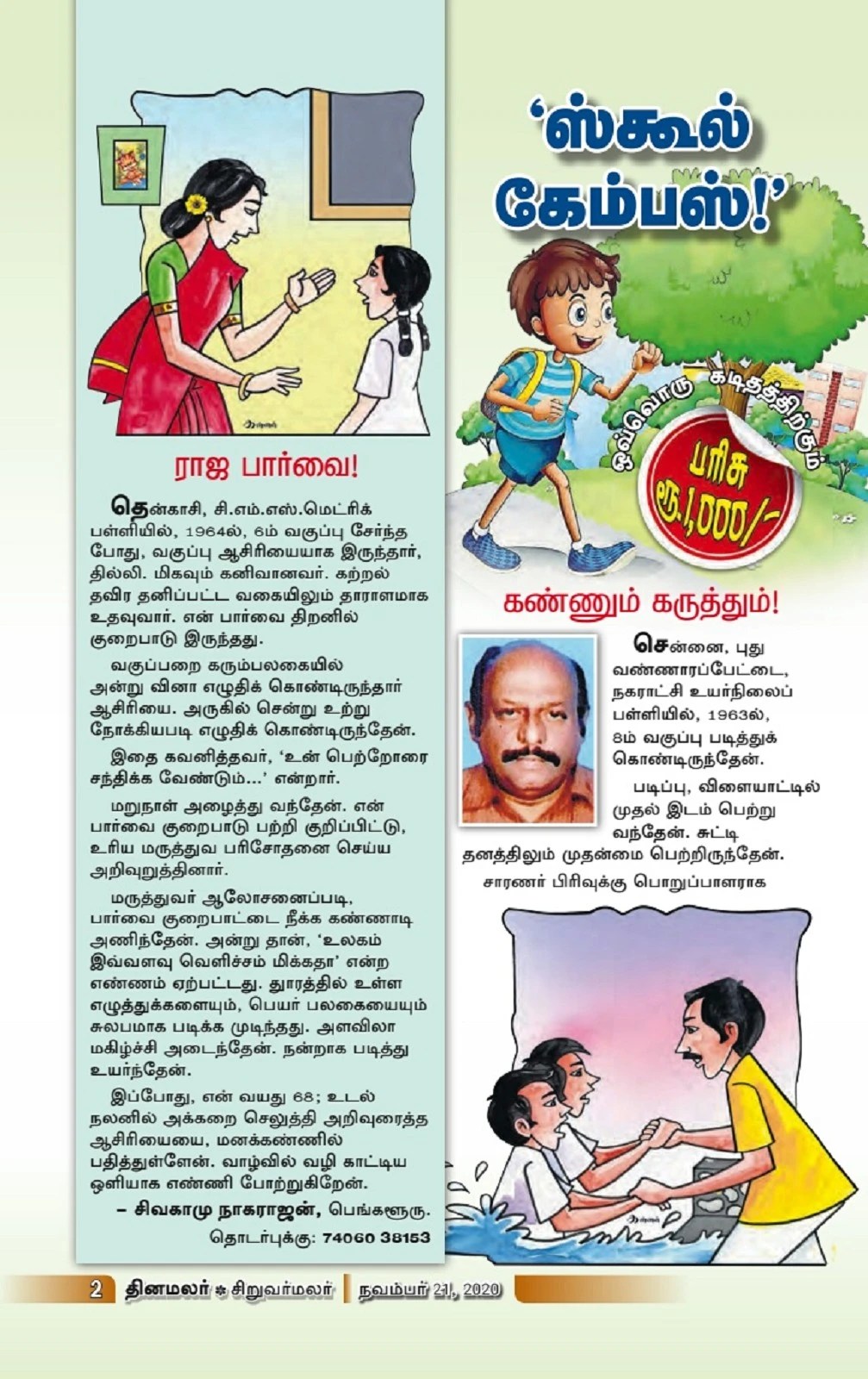
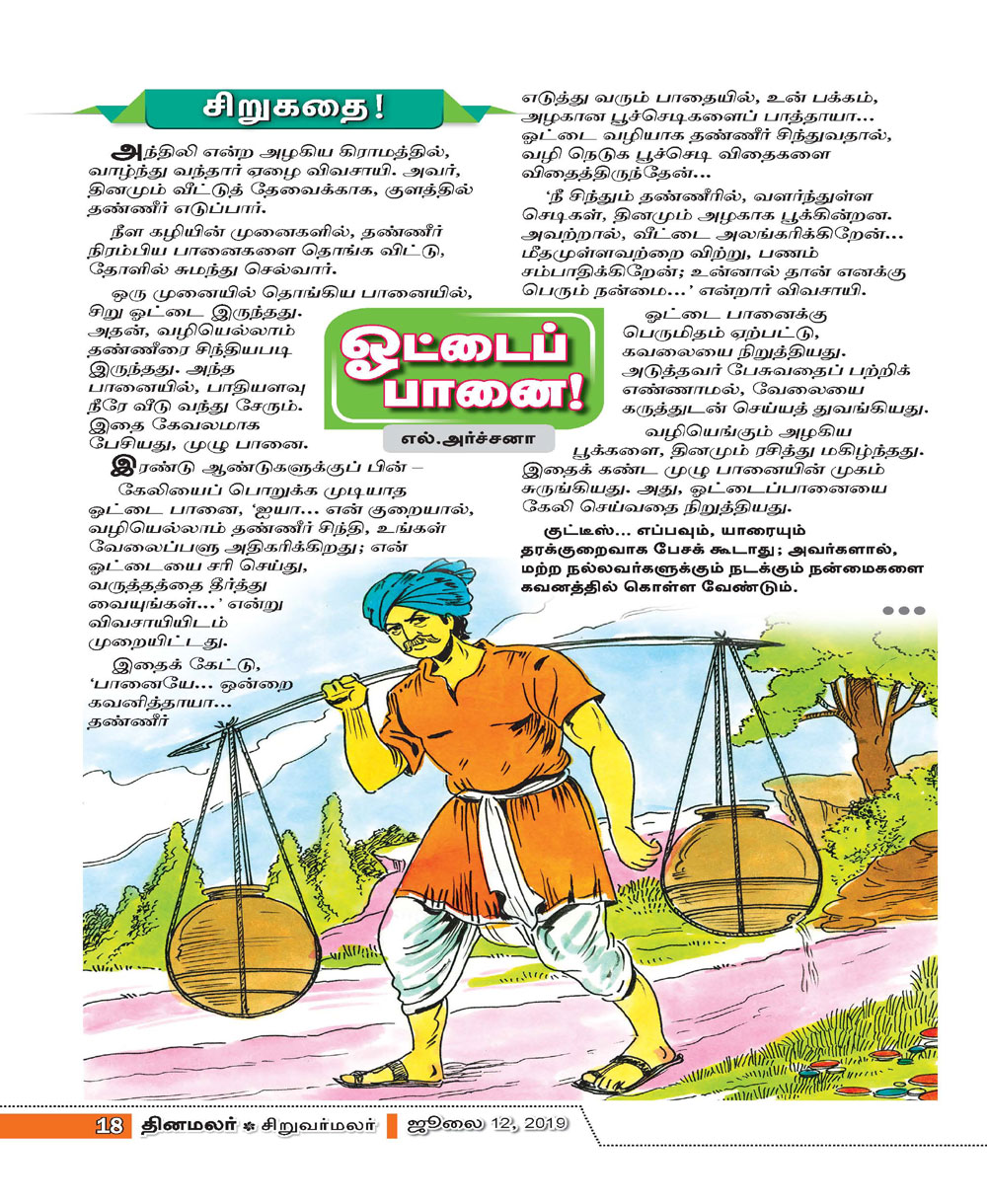
When I was a kid, the weekend was something to look forward to, beyond just an excuse not to do homework. The two days brought with them the excitement of reading the weekly children’s magazine delivered to my grandfather’s home. The Siruvar Malar (literally, “Children’s Flower”) and Thanga Malar (“Golden Flower”) were filled with folktales, comics, arts-and-crafts activities, and ads for local art contests.
When I was in my tweens, I graduated from these magazines to reading full-blown comics that my father would purchase on his business trips. These were the still-ongoing (mostly online now) and highly popular Tinkle Comics. Tinkle’s pantheon of characters, including Suppandi, Shikari Shambu, Ramu and Shamu, Tantri the Mantri, were my childhood heroes.

These comics were rife with cultural humor and folk inspiration. I prayed to be a lot more adept than the reckless hunter Shikari Shambu and the hilarious ignoramus Suppandi. I found inspiration in the deviousness of Ramu and Shamu in annoying my own family, and delighted in the constant failures of the evil Tantri the Mantri.
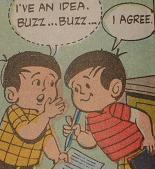
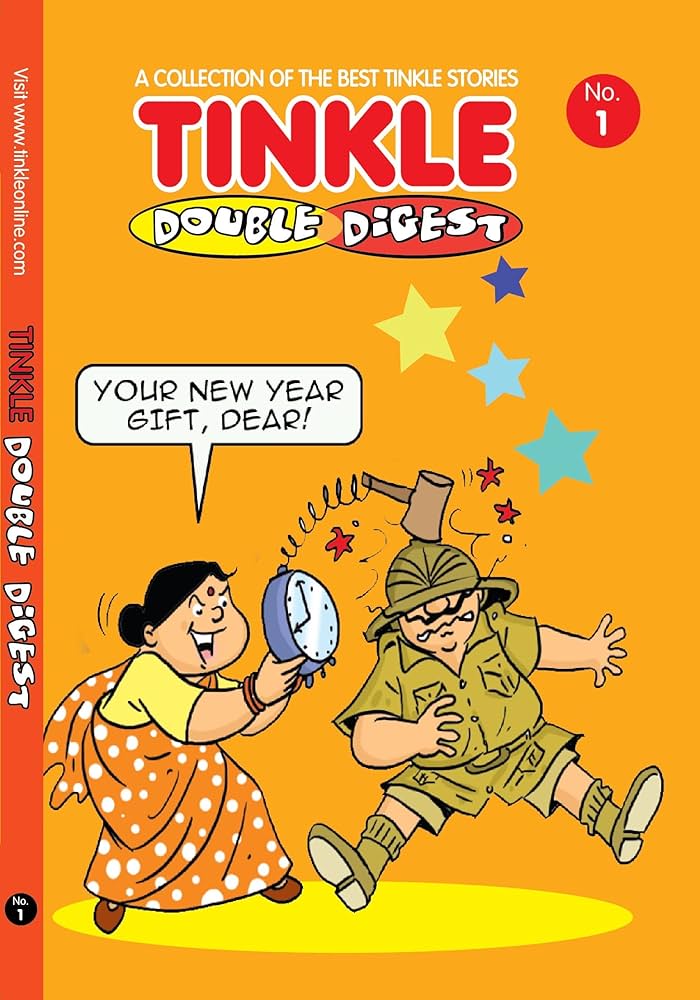
More than just a passing form of entertainment, these comics were relatable to life and Indian culture, and also helped cultivate my understanding of the English language. The nostalgia that I attributed to these stories hit me like a truck when I came across Stan Sakai’s Usagi Yojimbo in my early twenties.
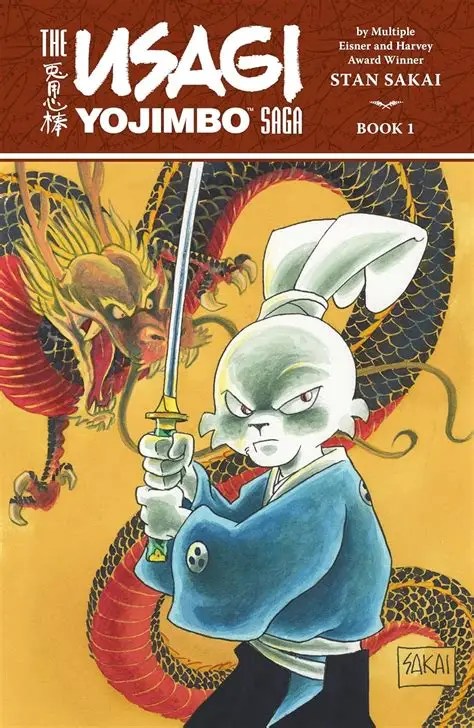
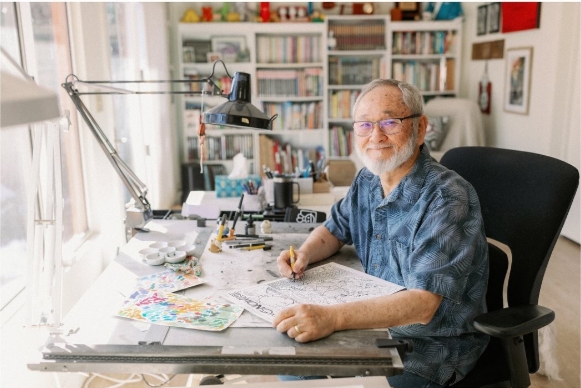
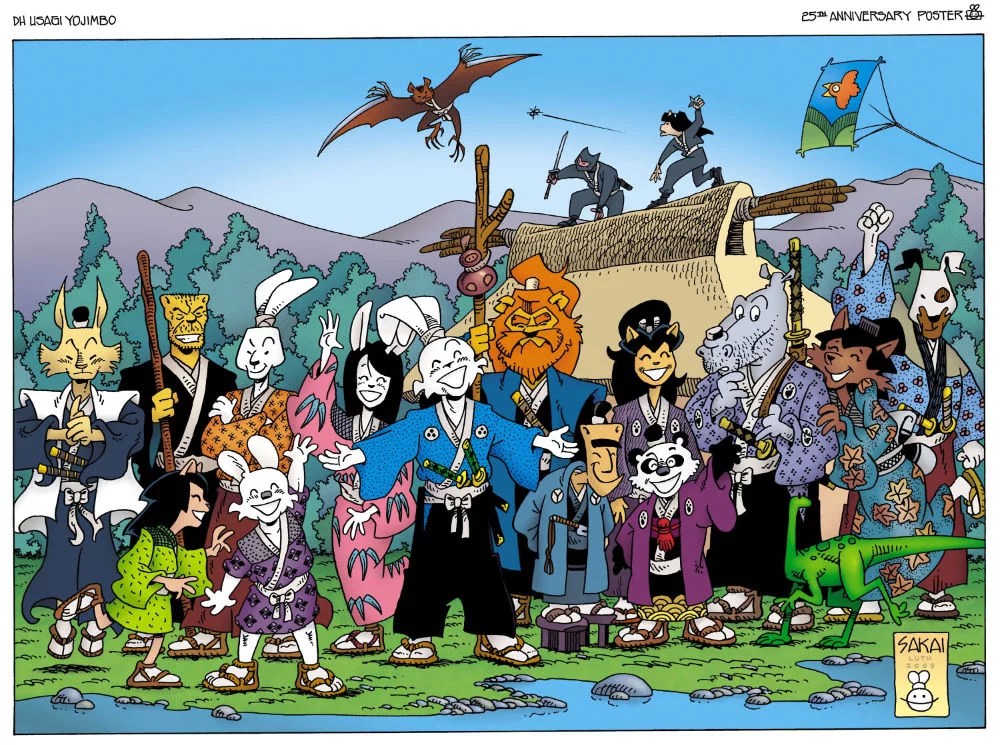
As a young adult and an exam-hardened undergraduate student at university, I found Sakai’s magnum opus stacked up in a corner at the public library. It wasn’t too long before I fell in love with what Sakai had to offer. A while back, I wrote about the man who drew from memory, Kim Jung Gi. If Gi was all about the awe and spectacle of art in full flow, Sakai, for me, was the finest mix of storytelling and art in the comic form. Usagi Yojimbo, or “rabbit bodyguard,” is set at the beginning of the Edo period of Japanese history and features anthropomorphic animals in place of humans.
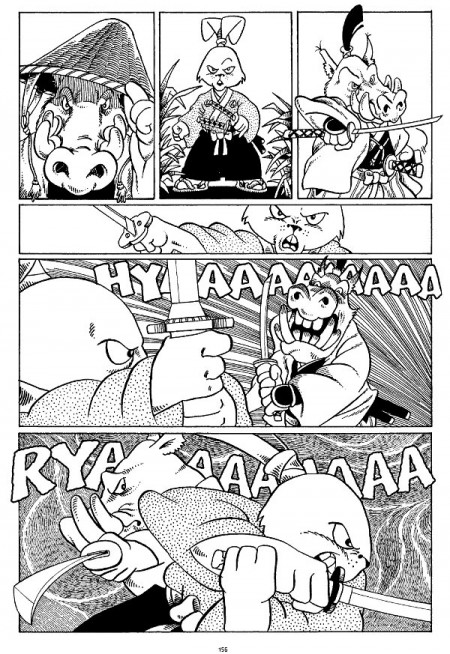
Our protagonist is the rabbit ronin, Miyamoto Usagi, based on the famous Japanese legendary swordsman Miyamoto Musashi. Wandering the lands of Edo Japan, Usagi sells his services as a bodyguard while going on adventures that have him fighting off his enemies. As a Japanese-born American cartoonist, Sakai draws on both Japanese and Western pop-culture elements. Usagi meets all kinds of friends and enemies, from the Teenage Mutant Ninja Turtles to Godzilla. Here was someone I aspired to be in my own ambition to be a storyteller and comic book writer. Sakai’s artwork was detailed, complemented by amazing inking and lettering.
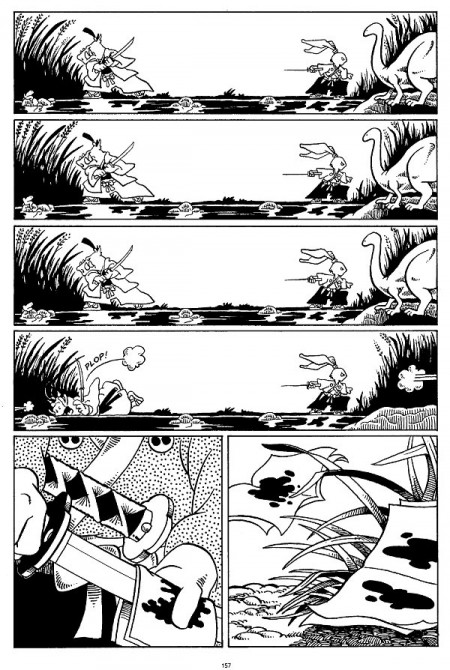
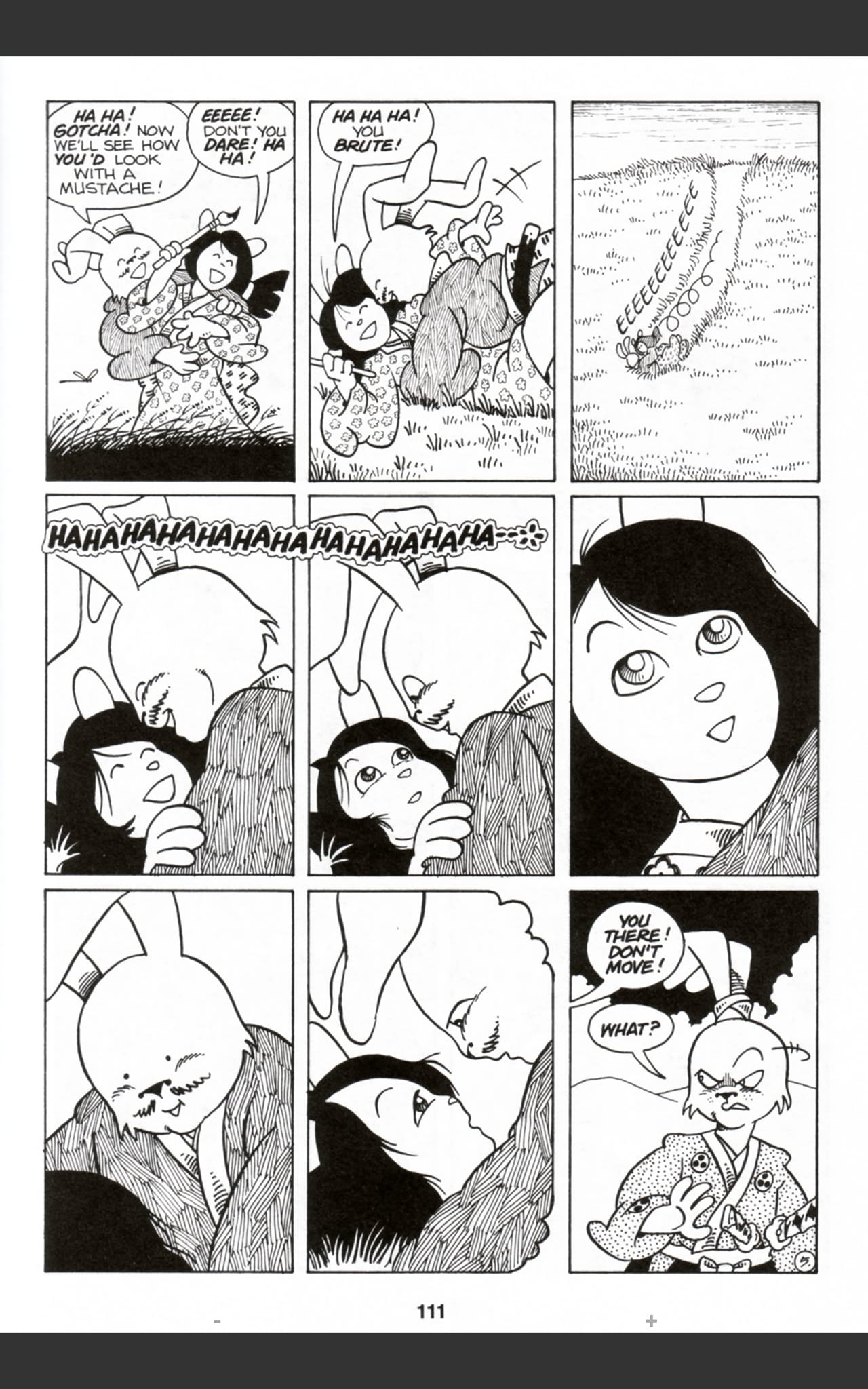
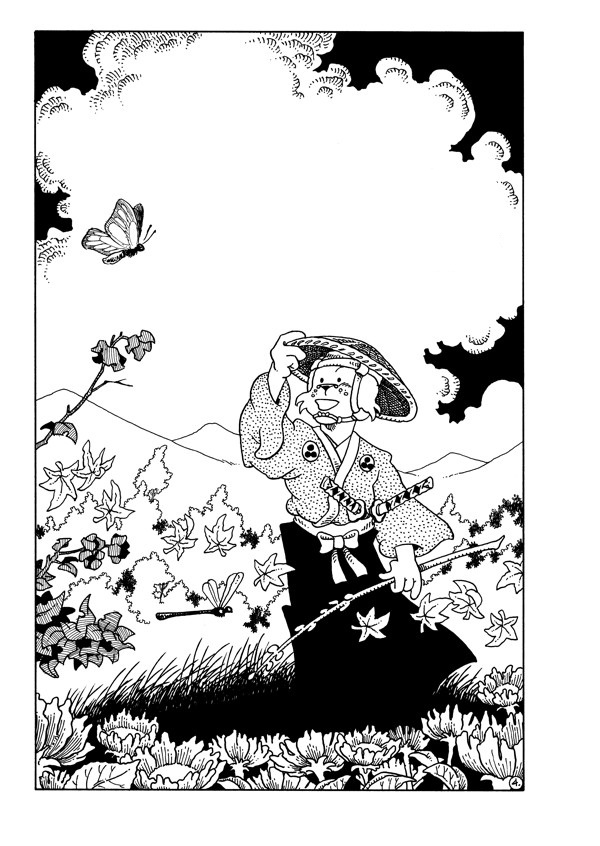
Despite being anthropomorphic, Sakai’s character lived their experiences, and you could relate to them as though they were fellow human beings. Usagi’s growth from a battle-hardened samurai to a philosophical warrior who gains a host of friends and family, whom he would go to any extremes to protect, is heartwarming. The art was further elevated by Sakai’s storytelling. Usagi’s adventures included many references to Japanese history and folklore, featuring architecture, clothes, weapons, mythical creatures, and ancient festivals. Sakai’s ability to skillfully weave facts and legends into the adventures of his samurai rabbit is a genuine masterclass in storytelling. I was (and still am) enamored by Sakai’s art and stories. Usagi’s swashbuckling adventures brought back childhood memories of Tinkle Comics and the Panchatantra (an ancient collection of animal fables). The vivid splashes of folklore, mythology, and traditional arts that span the pages of his magnum opus also made me fall irrevocably in love with Japanese culture and history. Book 41 of Usagi Yojimbo was released in 2025, and Sakai is still going strong.
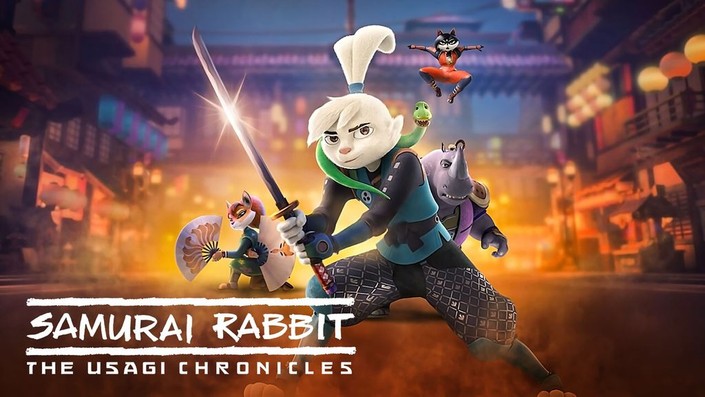
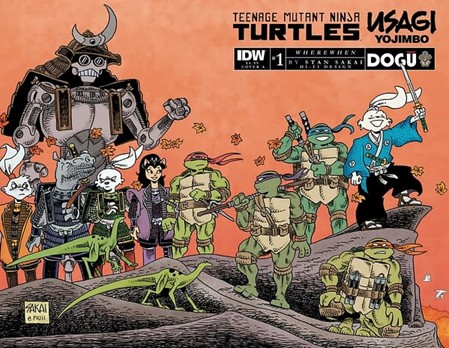
Usagi is now a cultural phenomenon with an animated series that released in 2022 titled Samurai Rabbit: The Usagi Chronicles. Although the comics cater to an older audience, the animated series is perfect for kids who wish to venture into Usagi’s world, albeit through the eyes of his descendant, Yuichi Usagi. At the onset of the COVID-19 pandemic, I got the chance to attend my first online (and in general) art and animation expo, LightBox 2020. Attending the event reinforced my passion for creative storytelling and for pursuing a career in writing. It has been a rollercoaster ride since, and to be honest, I have not made much progress. That may not sound encouraging, but if there is one thing I’ve learned from Usagi, it’s that the journey can sometimes be the destination. All thanks to Stan Sakai!
In the years since 2020, what was once a dream has evolved into a coherent career I’ve now fully committed to in 2026. Where the road leads from here is another adventure that beckons.


 The Pensive Reverie