How to get started as an amateur artist – my journey so far!

Back in November 2021 I wrote a post about Getting back into Art and how it boiled down to a balancing act between my day job as a freelance science writer and my nighttime escapades as a story writer and aspiring comic book artist.

Just a few weeks after that post, I landed a permanent, full-time position as a science writer for the magazine Lab Manager. 2021 would come to a close with my family relocating to Calgary, Alberta. The months to follow would be wave upon wave of developments. My baby daughter was growing up, and fast! It was all I could do to keep up with her, my day job, and an assortment of other day-to-day commitments, while my wife was off to grad school.

My prospective plans for the Story Art Mentorship program I had enrolled in for 2021-2022 crumbled to pieces. I realized that I needed to be realistic with the time I had available for myself (there wasn’t much). I had to be patient and wait for my baby daughter to become the toddler she was destined to be (when I could recover a semblance of regularity in my daily activities). Until then, art (and writing) would have to remain in the sidelines.

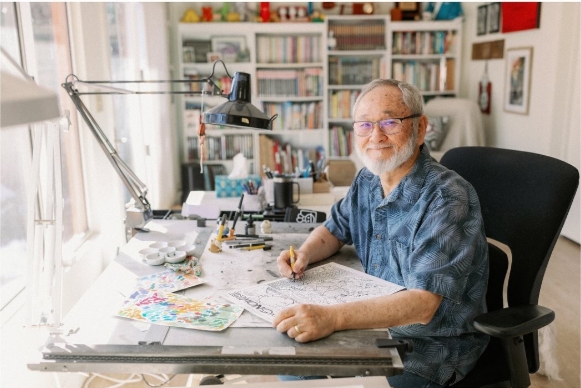
This was awful but I found a way around it. I began organizing all the knowledge I had gained toward my artistic goals over the last four years. all the way from my experiences at the various comic-cons and art expos, the many mentors I had met and connected with, the various art books and online resources I had purchased, to the persisting doubts and questions yet to be answered. I collected all of this into a mental journal of sorts which I transcribed into my OneNote Notebook. Come 2023, this journal has transformed into an all-encompassing organizer and a solo art study program that I have adopted for myself.

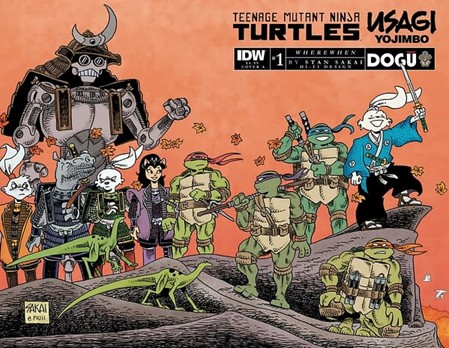
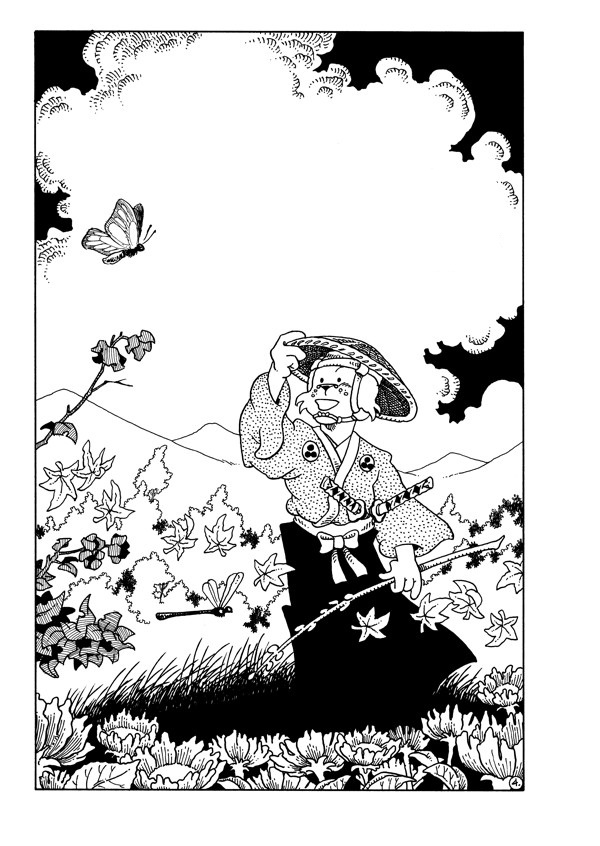
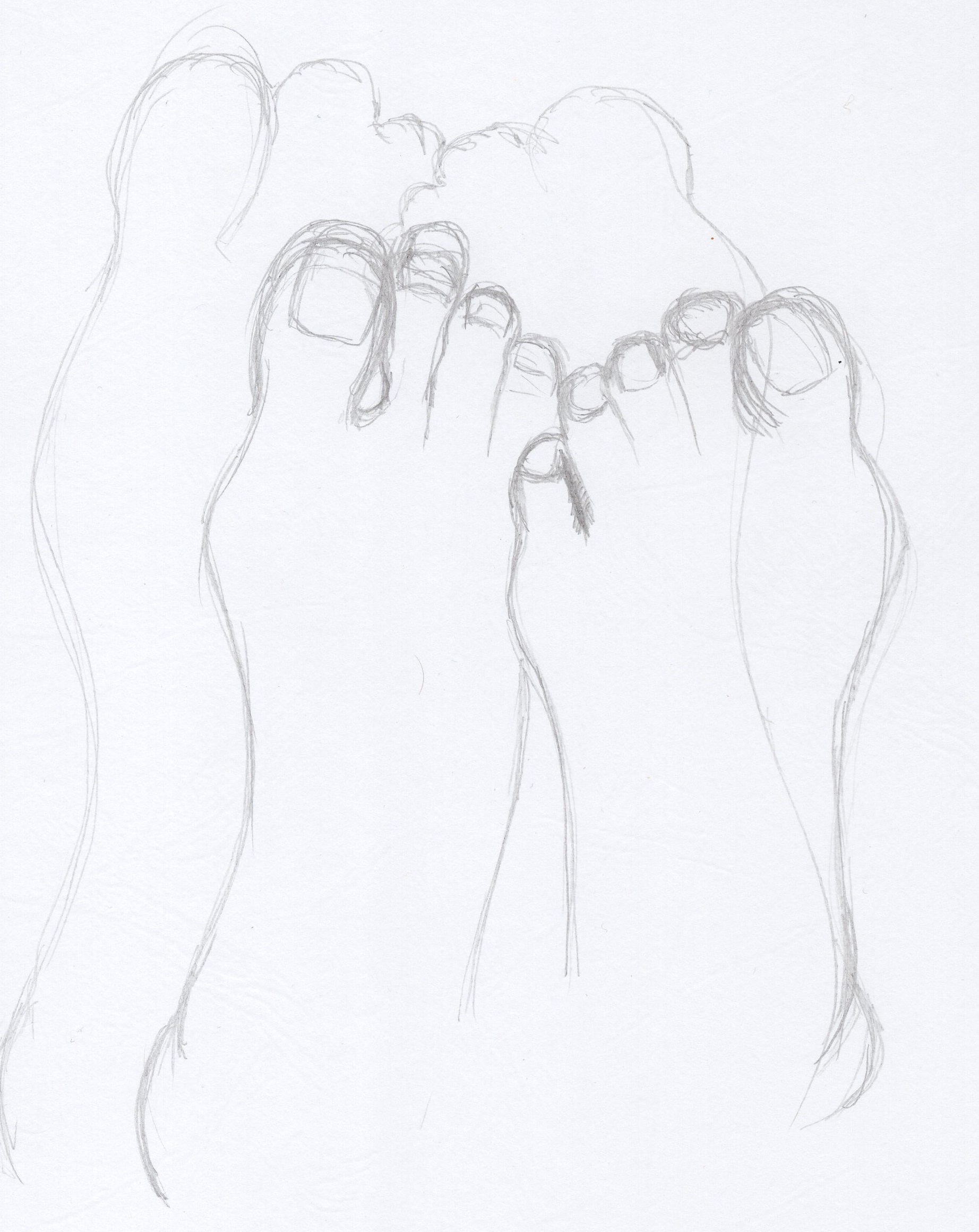
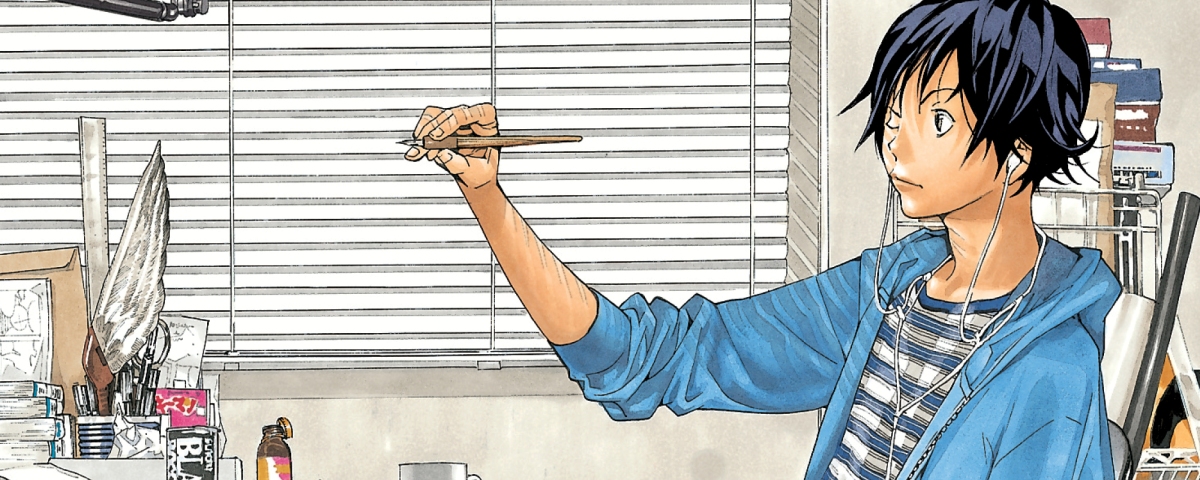
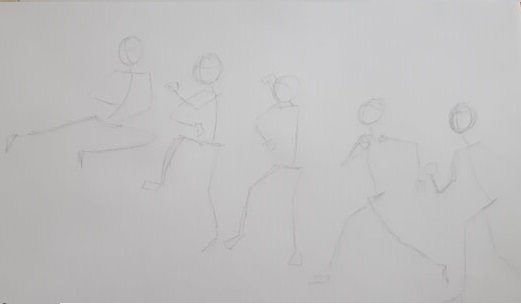
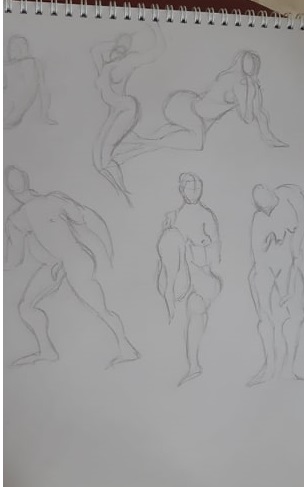
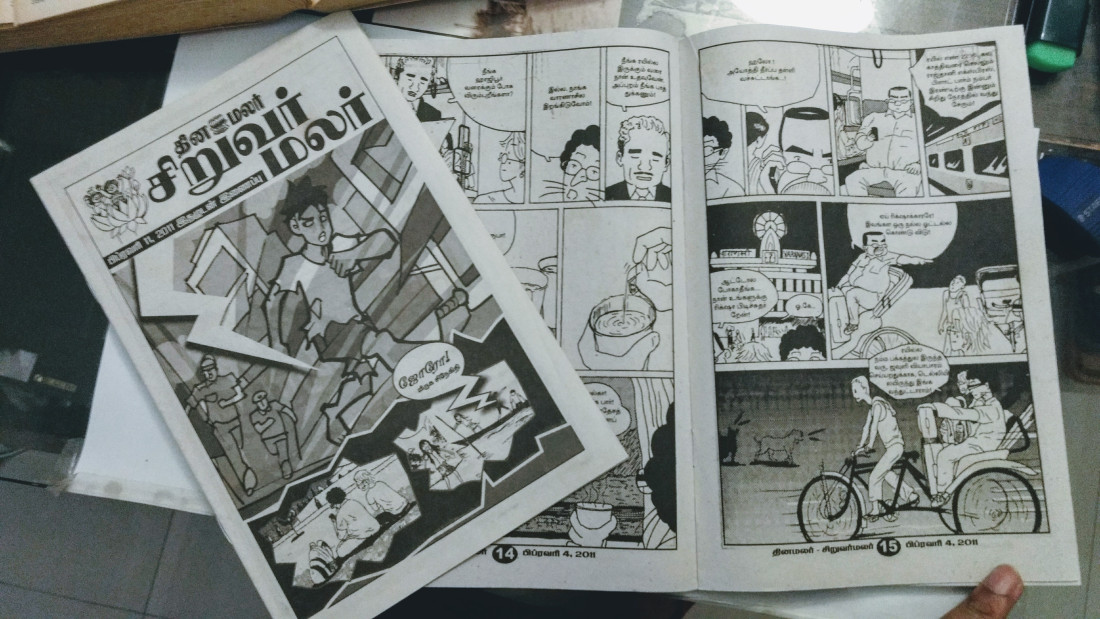
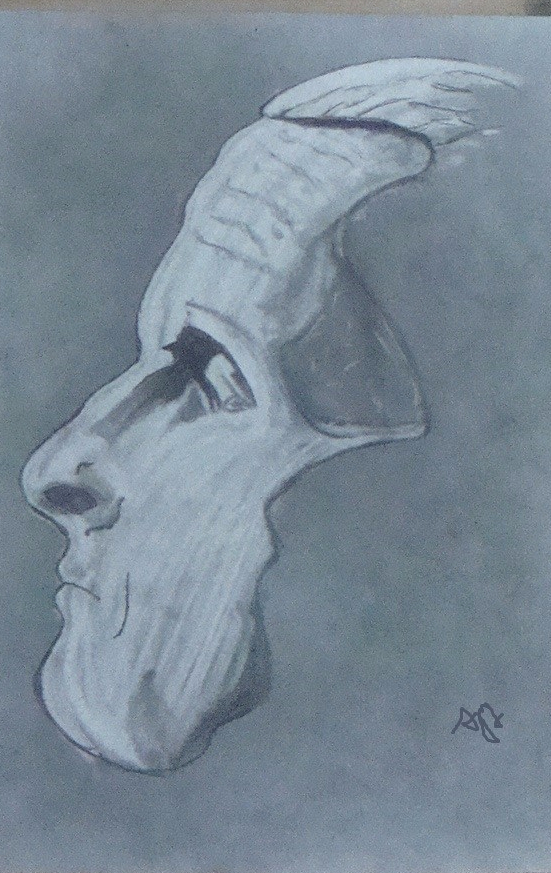
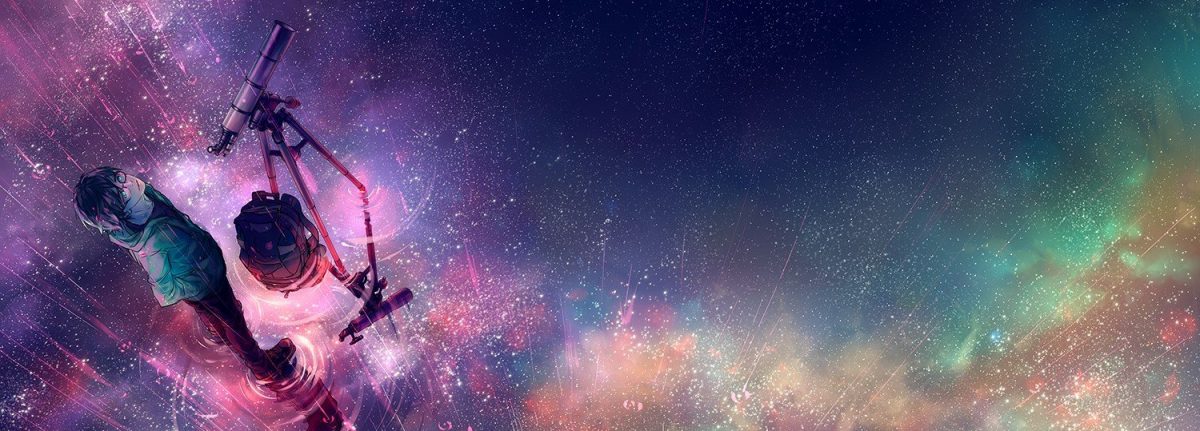
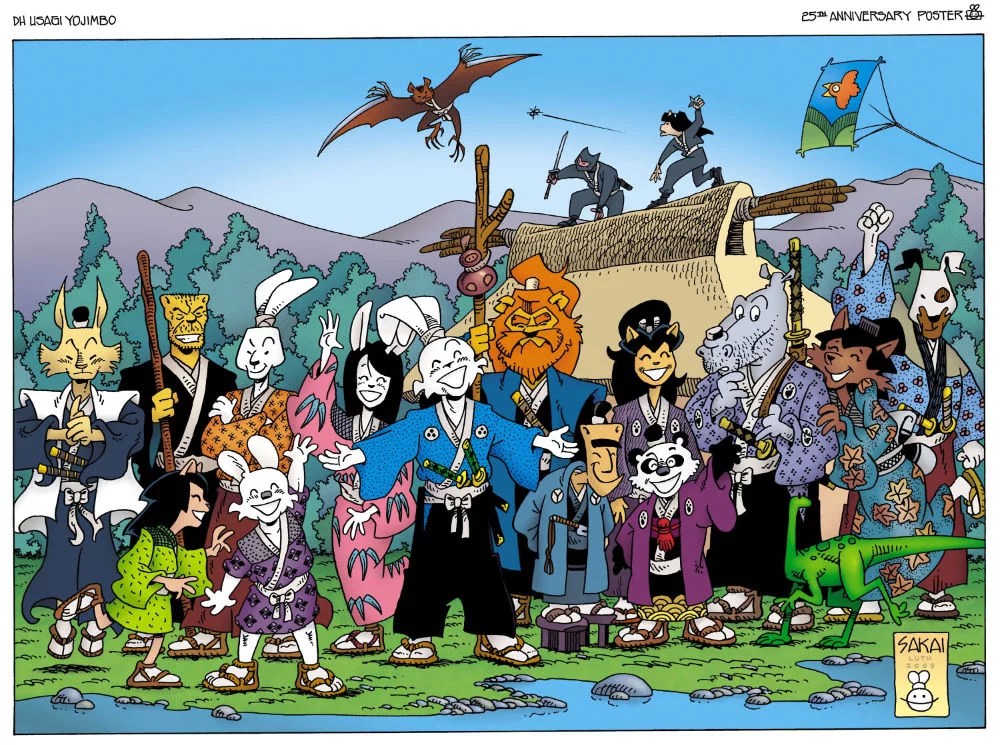
What I had originally perceived as a step backward from my creative goals, became the greatest jump toward them. Ever since my last post, I have had the chance to build upon my artistic skills and foundations in an iterative manner (as you can see in the header image). No mistake about it, I still have a LONG way to go. At times, I do feel like Achilles racing against the tortoise (representative of my ever growing list of goals and challenges), in Zeno’s paradox. But, I’m very glad with the progress I have made so far.

Moving forward, I would like to share this journey with all my readers and any of my peers in the artistic community, reading in. While my approach is largely subjective to my circumstances and personal life, I hope that some part of the resources that I have found and the steps I have taken, connect and help any aspiring artists among my readers.

Next up, I will begin by addressing the first and biggest challenge for most beginner artists getting started on their journey, and one that I particularly had difficulty with: How does one start in the first place?

And before you go, remember, you can also follow my art work and progress at at LockeInArt on Instagram where I post my finished pieces!

Moving from Science to Drawing

Drawing is tough.

It is even harder when you have a toddler to keep an eye out for. I got out of that particular fix once I moved to Calgary and I was able to allocate office space for myself at my new home. All of this took well over three months (between December to February), so drawing had to be on the backburner for a while (another reason for the lack of follow up posts in The Art Corner).

Now, having eased into a working routine this month, I was ready to go crazy with my art and keep up with the good vibes I had with my previous drawing of an eye back in November.

Unfortunately, the restart began with me careening into a major roadblock. Suffice to say, it took a lot of effort to overcome this obstacle. To relate this story, I need to revisit my childhood memories. Back then, I used to draw A LOT (art competitions, drawing classes, and a large stash of comics and kids magazines kept my creative juices flowing). What defined my work was the clarity with which I was able to approach whatever I wished to draw. I enjoyed the process.

Unfortunately, growing up has its toll.

In my case, drawing became less of an active interest by the time I finished my secondary education and it was science galore once I started university. It wasn’t until I began my doctoral studies that my continued passion for writing stirred my long-forgotten love for drawing. With every story I worked on, I really wanted to bring the worlds of my imagination to life on a piece of paper.

Long story short, I had to hit the drawing board again.

As I sat down to restart my drawing adventures this March, it became very obvious very quickly that my mindset needed a major shift. It wasn’t a case of, “I can’t draw!” Rather, after 12 years at university, my mind had grown accustomed to a strictly logical thought process. This had its fair share of benefits when I had to solve physics problems and what not but it didn’t translate well into my art process.

Incorporating a systematic approach to my art helped me easily build on specific skills such as the ability to deconstruct images into basic geometric shapes and objects. This was great for getting the basic structure of my subject, but when it came down to molding these geometric shapes to match reality, I found myself spending more time critiquing the details as opposed to getting my drawing done. This made even simple drawings and assignments very taxing. I realized I was thinking too hard, and needed to “let the art flow” and “loosen up.”

That was easier said than done, especially when it had to accompany a huge shift in mindset. Logic doesn’t follow very smoothly in art and part of drawing is to learn to be ok with restating and imperfections. That was a tough nut to crack for me.
Ironically, having a toddler running around in the house helped in this aspect. By the time I sat down to draw every evening, I was too tired mentally to engage as a critic. Rather, the process gradually shifted to just putting pencil to paper, being relaxed with my approach, and most importantly, being OK with it.

This made the difference. Moral of the story, “Keep it simple. Look, hold, and draw.”

So here we are with the pieces that I got to work on recently:

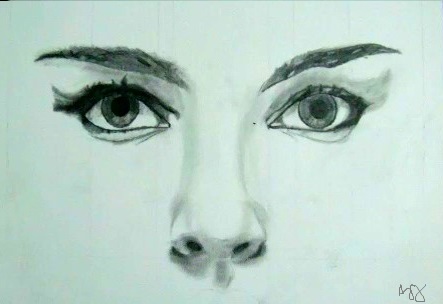
A product of my frustration. I needed a mental break one night, and just tried something ambitious: a rough sketch of a portrait that came up on my Facebook feed (Permissions obtained from Irina Akulenko). I didn’t care about how perfect my linework was, just kept restating and restating in what was an enjoyable 45 min drawing session. Gonna keep working on it to perfect it.

Getting back into Art – Drawing an Eye!

Life is a balancing act. For me, that boils down to juggling my day job as a freelance science writer and my nighttime adventures as an aspiring comic book artist.

It took me more than a decade to realize my passion for writing and art. In retrospect, its funny I didn’t catch it earlier especially when the answer was staring me in the face.

I love writing. It started off with personal projects and now I’m wrapping up the final script for a graphic novel that I hope to publish sometime in the distant future. Art was more an on and off companion since my childhood.

Now, I’m ready to really get into it, and polish my knowledge and skills. I still have a long way to go and there is much to learn. Having made a specific section called “Art Corner” in this blog, I hope to utilize it as an art journal of sorts where I can post my weekly progress.

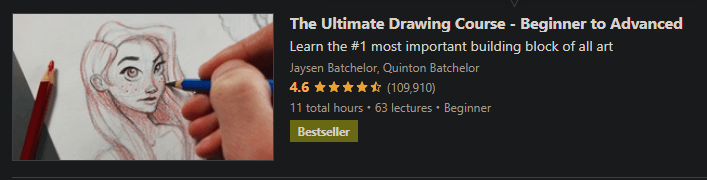
You have got to start with the fundamentals, and so I started off with this course on Udemy:

The first lesson was to draw a realistic eye, as best to our ability as possible. I would then draw the same eye, at the end of the course, as a means to gauge my progress.

I’m a pencil and paper guy but with my recent foray into comics, I have also been interested in picking up digital art. So I did two eyes!

The one on the left is obviously done using pencil and paper, and the one on the right is an ongoing struggle in my digital foray.

I hope to keep up with my weekly projects and post consistently! Feel free to critique the hell out of it in the comments as it helps me even more. And, don’t forget, follow my art journey at LockeInArt on Instagram as well!

Follow me on Instagram!

After attending the Lightbox Expo I was hard-pressed to start an Instagram account dedicated to my artwork. Aside from The Pensive Reverie and The Procrastinating Scientist, my presence on other social media platforms is sparse.

My lack of interest in social media notwithstanding I would be a bigger fool to deny that social media can be a productive resource on its own for individuals pursuing creative endeavors. Nevertheless, I was initially reluctant as I felt my art skills were too amateurish to warrant sharing my work in a public platform.

But, the journey is always a part of reaching our goals and destinations. Thus, I have decided to start an Instagram which will record my rare successes, frequent stumbles, and hilarious fails in my journey to be an artist.
Much of what I intend to share on Instagram will revolve around my growing art skills, my brief stints of inspiration, and whatever is the ensuing result when my ideas meet paper and pencil.

For those among my readers who are also active on Instagram, I would really appreciate your support by following my adventures on this platform as well. So, with that being said, here’s to a prosperous Instagram art journey at Ajay Peter Manuel@lockeinart.

They say the pen is mightier than the sword, let’s hope my pencil is equally mighty in reproducing the worlds that flourish in my brain.

The art of Kim Jung Gi

For this post, I’m going to go short and sweet by being faithful to the old adage that “a picture is worth a thousand words.”

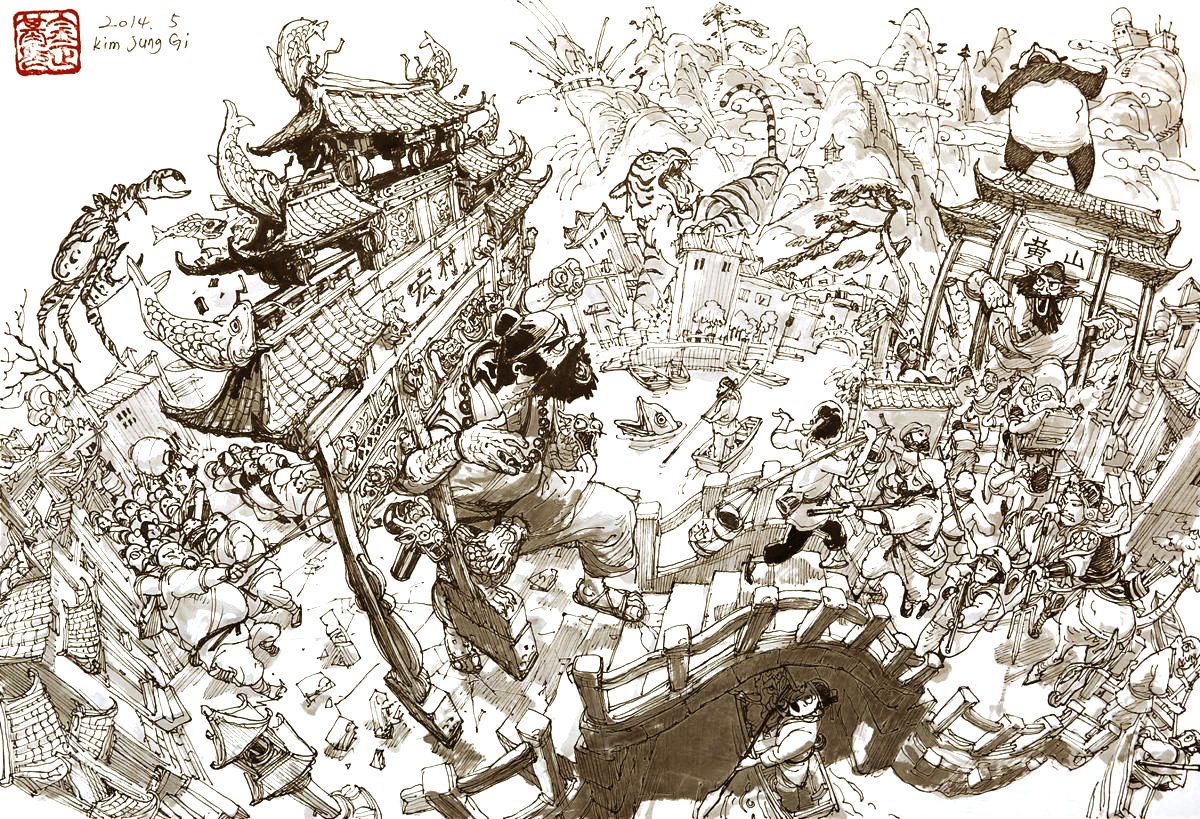
I came across Kim Jung Gi’s artwork back in 2016 during my first visit to Vancouver B.C. Taking cover from the torrential rain that day, my partner and I entertained a long detour through the Vancouver Art Gallery.

We spent almost two hours walking along the various corridors hosting a massive collection of diverse artists and their works. Our final destination would bring us to the section dedicated to artists within the manga/anime genre, and that is where I came across this,
and many more,

Never had I felt so engrossed into the details of an art piece. The details were dynamic and there were radical shifts from one point to another. Yet, despite these fluctuations, there was also an exceeding sense of balance in Kim Jung Gi’s artwork that provided insight into his creative process from the small to the large.
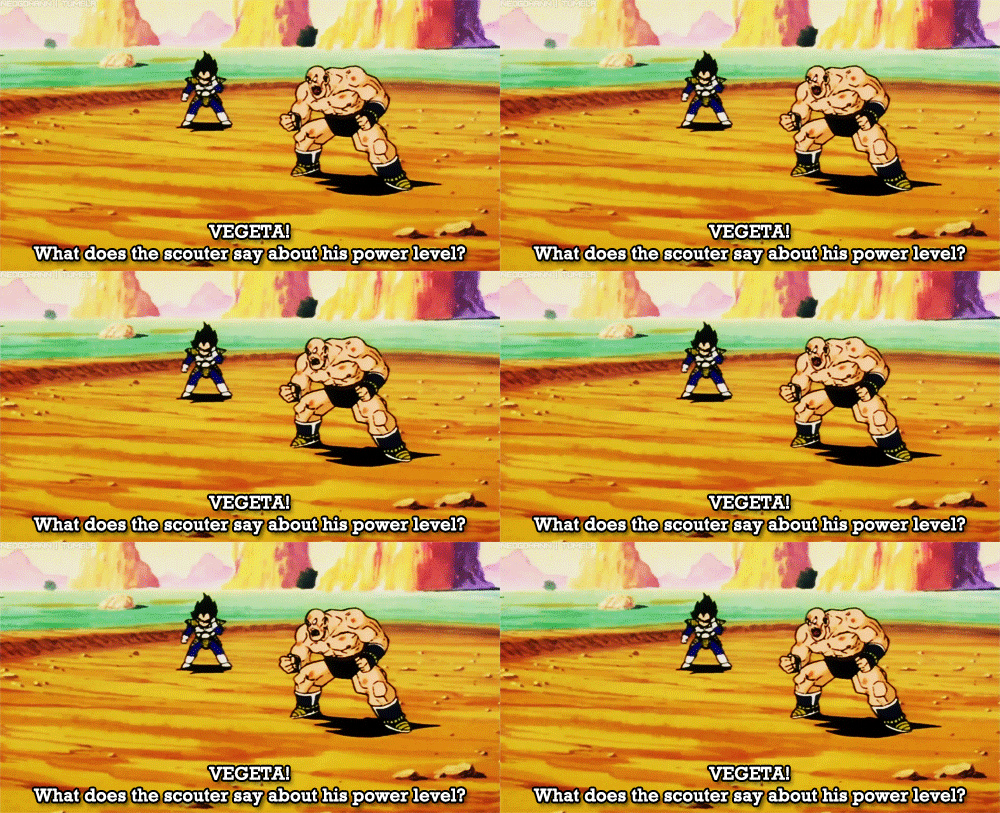
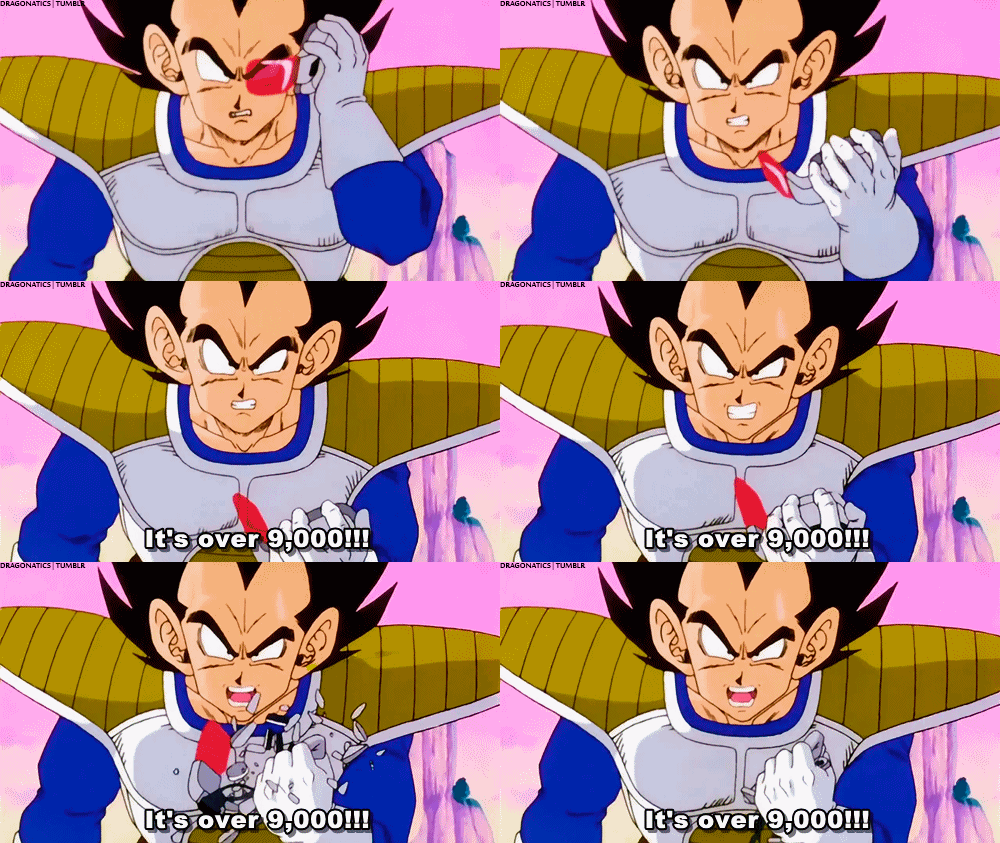
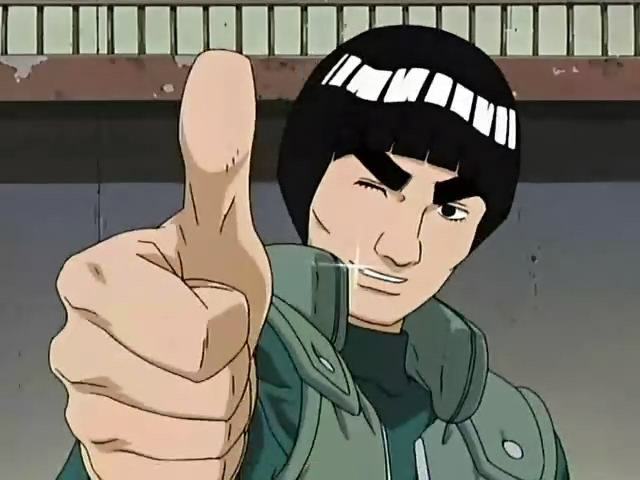
For a guy like me, who loves his astrophysics, this correspondence of the mechanics of the small and large pieces of the work only drew me in further. The gallery had a small TV showing Kim Jung Gi’s approach, and it floored me to see that the man literally drew from memory. Discussing his art work that day,  my partner and I would relate a classic conversation from Dragonball Z as an analogy of Kim Jung Gi’s artistic power levels:

tumblr_m96runst3c1r72ht7o2_r2_500
Me

c65d423e1bfdaa32304dfd4a1ff09800
My partner

Over the last week, I’ve had a chance to improve a little further in my own journey through figure drawing. 

104947643_554448391857388_5485824118973520966_n
From this…

105538944_266640151087494_979940816938058642_n
To this…

It is in these moments that I draw inspiration from artists like Kim Jung Gi. While his art may be daunting to the eyes of an amateur, I cannot deny that in following up with the man’s biography, what has often been casually cataloged as innate talent, is in fact an amalgamation of hard work, dedication, and perseverance.

There is still a long way to go on the road to mastery as I’ve been told repeatedly by my peers and mentors. At the same, I’ve also been equally advised,

tenor

I guess that’s what makes the whole aspect of it so much fun as by being an artist you get to continually expand your horizons to your personal liking. In the artistic realm, Kim Jung Gi has one heck of a mileage owing to his near crazy dedication to art which he developed as a hobby and now a life-long career. I hope to do the same on my own end, and even if I were to never reach his level, I could say I take satisfaction in the all the minute details of the experience for the larger part of what it is: a story of its own.

For those among my readers interested in finding more of Kim Jung Gi’s artwork, his sketchbooks are an awesome portal into his world.

Touching base with Pencil and Paper

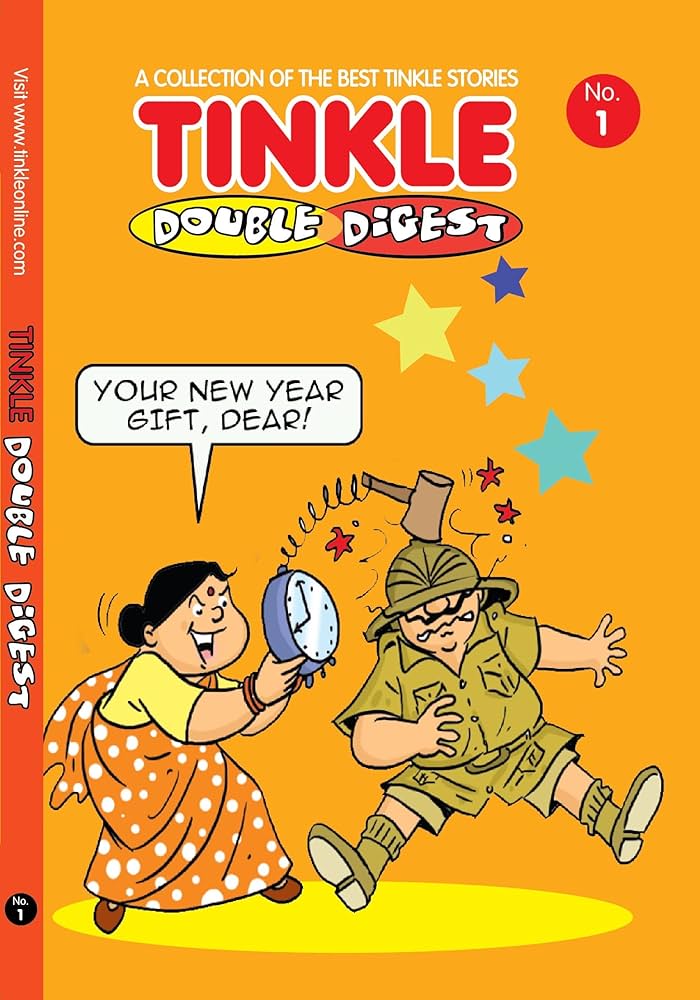
When I was young, I spent a good chunk of time at my grandparents. It helped that their house was situated right next to ours, and my grandfather’s collection of weekly kids comics and magazines were an abundant source of entertainment and inspiration for the kid in me.

img_20170505_191214596
My grandfather collected enough of these that we probably had over 500 of these thin magazines stacked up in a corner of the storage room.

Drawing came naturally to me back then, and I took any chance with a blank paper to draw whatever caught my eye. My grandfather fueled my imagination by sharing folk tales of old and just about everything that he knew while my grandmother indulged me with all the treats she could make to keep me energized with a full tummy.

11
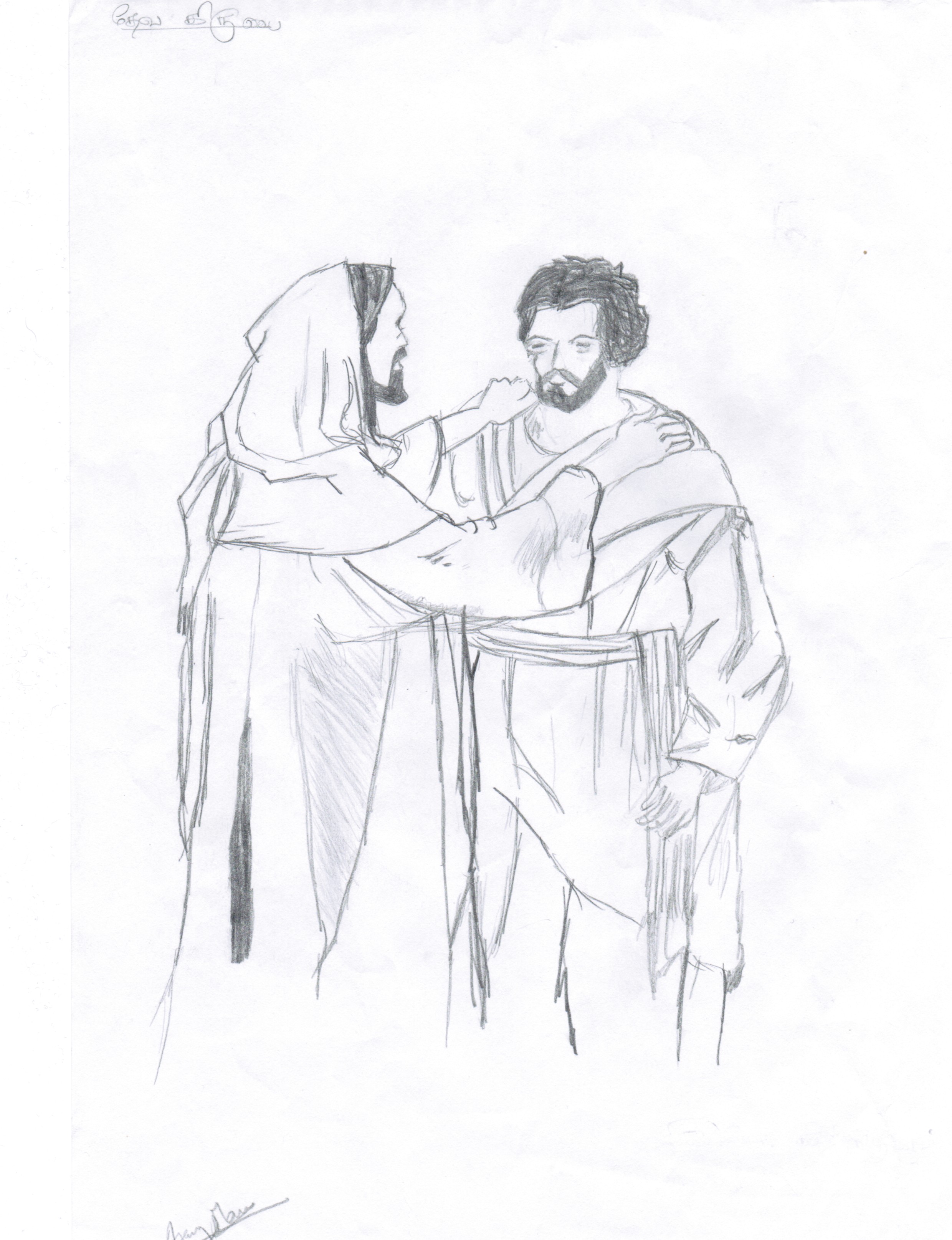
Being a Christian, my grandfather often shared his unique perspectives on the Bible. As a kid, the stories came off more as an epic fantasy, leading me to draw this rendition of Jesus and Simon Peter, no doubt referenced from an illustrated bible at his home.

As the years passed, my interest in drawing gradually took a backseat to my newfound love for writing. Rather than transpose what I felt was a simplified projection of my imagination onto paper, I felt it better to immerse in my imagination as a whole through writing. I was naive to think that between writing and art, one was lesser than the other.

Now, I have come full circle in realizing that art and writing are just two faces of the same coin. It is particularly sweet that I struck upon this knowledge in the process of completing the script to the graphic novel I have been developing over the last two years, and intend to dedicate in memory of my grandfather.

I have spent the last few weeks touching base with old friends in Pencil and Paper. It has been a difficult reunion to say the least, but we are gradually patching a decade of our on-and-off relationship in a newfound resolve to build a strong foundation for the future.

Frustration has been a loyal companion, but I’ve also used it as a source of motivation.

Firstly, I had to start by identifying the relevant skills I required to transition into the “graphical” aspect of my graphic novel. Phase Infinity, as I now call it, has all the characteristics of a long and arduous journey through diverse art courses intended to boost my amateurish skills while simultaneously churning out the artwork for my graphic novel.

To be honest, I find the final product to be a goal for the distant future. This isn’t necessarily discouraging as it is my first attempt after all. What has been annoying though is the persistent need to be overly critical about my work and for lack of any other word, too stiff and tight about my daily progress.

Figure drawing is my first priority as of this moment, and I have been enjoying it in all its gestures and forms. Consistency is the word for the rest of my year, as I hope to amass daily practice sessions.

Steve Huston has been my hero on this front, and I highly advice his books to my fellow artists among my readers.

Learning the human anatomy from an artistic perspective has also opened the door to some philosophy. Gesture drawing, in particular, has helped me embrace the fluid nature of our environments and our very bodies. For someone who has been enamored with the axiomiatic logistics of science and mathematics over the last decade or so, figure drawing has provided a refreshing, and new perspective of the world and its motions and rhythm.

Being a fan of Bruce, these two messages which aligned with the philosophy of gesture drawing became de facto screensavers in my mind throughout my artistic process.

That is all for today! I will keep you all updated with my struggles in art-realm over the coming weeks by sharing some of my art work in the Art Corner, as well as a review in my next post of one of my favorite artists in Kim Jung Gi.

Adventures in Drawing – A New Beginning

Previously on “Adventures in Drawing,” I discussed several matters of art. I specifically placed emphasis on the three valuable lessons of learning to actively see thingsthe value of repetition, and drawing what one sees, not what one knows.

The second half of the drawing course followed the application of said rules with a series of projects. I had the wonderful opportunity to test my skills with various mediums from charcoal, graphite, and conté sticks. Along for the ride came an assortment of healthy drawing techniques I had learned earlier involving the use of guidelines, the ability to delineate depth and active perception in objects, as well as blind contour drawing etc. All in all, I thoroughly enjoyed the opportunity to test my skills with the various media (Figures 1-2).

Figure 1. Man’s best friend (using charcoal, and graphite). 


Having completed the course, I can certainly say that my knowledge, and library of resources pertaining to drawing has grown exponentially. If there is a takeaway message from my experiences so far, it would be the following: simply put, anyone can be an artist. All you need is an HB pencil, a sketchbook, and a little bit of incentive. Most importantly, practice makes perfect.

In my opinion, I view drawing, and art, in general, as a personal interpretation of one’s environment, and imagination; a realm of infinite possibilities. The uniqueness factor of one’s works is dictated not through the judgment of external critics but rather one’s own individuality. Thus, you have nothing to fear in the criticism of your own doodles. We are all artists in our own measure. As Mason Cooley put it, “Art begins with imitation, and ends in innovation.”

Figure 2. Unfinished swimmer (using conté sticks)

With every passing day, I get closer to achieving the same with my artwork. Once again, I’ve learned that practice makes perfect. (On a side note, it also helps to have an encouraging partner, especially one who goes out of their way to buy you a legit Japanese manga kit but I digress.) If I could briefly summarize the steps that I have taken so far in my journey in drawing, and that I wish to share to my fellow aspiring artists, they would be:

(1) Start with doodles, and doodle frequently. Sketch whatever you wish to sketch. Freedom of imagination, and action is important in drawing.

(2) Get a few guide books on the side, or even better, just parse through the overwhelming history of artists, and their works that we can readily find information about on the WWW (world-wide-web).

(3) Trying a short, and supplementary course is highly beneficial too. Learning drawing also involves the communication of ideas, and techniques. (Check out the arts center in your city. If you don’t have one, Udemy is a wonderful online resource for awesome, and cheap courses. And if that doesn’t work, then it’s even more simple, learn from nature, and become your own artist. There’s no limit to human creativity, and imagination.)

(4) Aggregate the lessons you learn in infinitesimal steps, and integrate them toward a full learning experience.

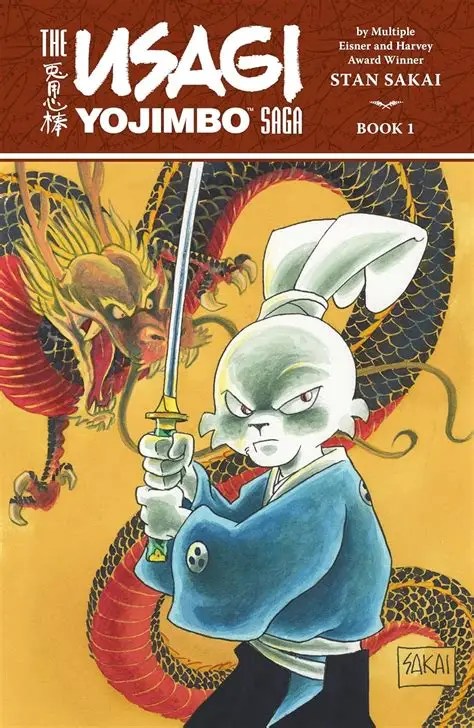
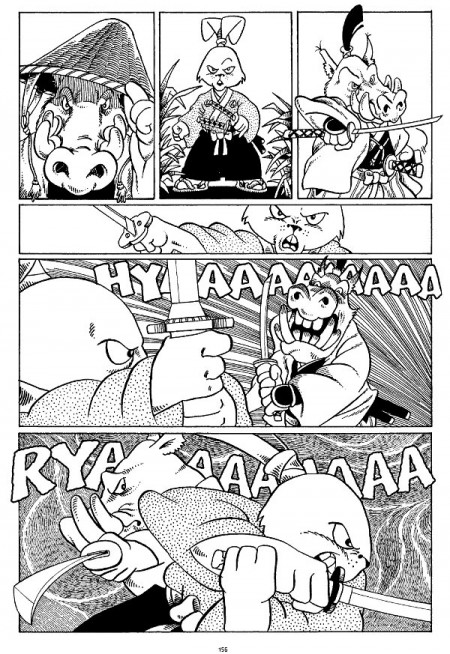
Moving on from here, I intend to eagerly pursue my dream of becoming a mangaka in the future. For those among my readers who are avid comic fans, and are particularly interested in making their own comics, I highly suggest the constructive anatomy, and figure drawing books written by Burne Hogarth, and George Bridgman (shown below) to get you started.

But after all is said, and done, remember to relax, and just have fun with it!

b213b41e0994cef2104f5f8dbff5fb00a437211b2eec08212df63096b798cee0

Adventures in Drawing!

Making good progress on my dreams to be a mangaka in the future, I’ve spent the past two months attending a basic drawing class, and so far, I’m having a blast. This post is dedicated to my fellow amateur artists, or anyone interested in drawing; I thought it would be a worthwhile effort to provide a summary of what I have learned so far, and share my efforts with all my readers.

Art, in general, is a highly subjective field. At the first session, it was a relief to hear my instructor recite the philosophy, “Anybody can learn how to draw,” mentioning that one’s drawing ability isn’t measured by how gifted they are, but is rather a reflection of their perseverance, and efforts to hone their skills.

Though I’m only halfway through the course (four sessions out of eight in total), I’ve learned a lot. Much of this learning has involved the transcription of my observations, and perspectives of a random subject onto a paper, following three fundamental principles of drawing.

Techniques aside,  drawing is the ability to closely observe your subject. It is an exercise in learning to actively see things, and deduce differences.

vlcsnap-00028
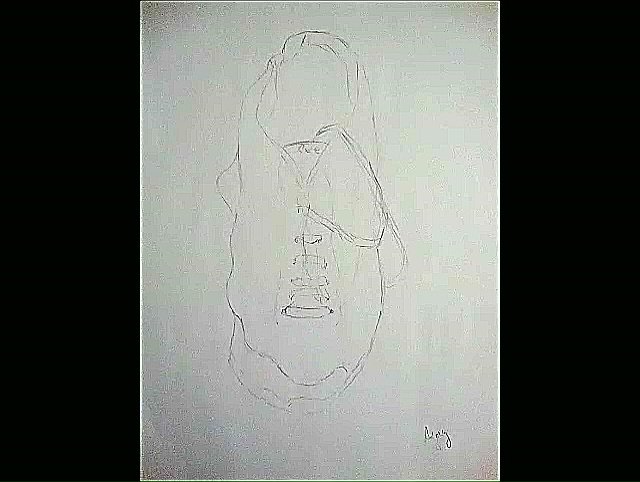
Figure 1 – My first work, a shoe!

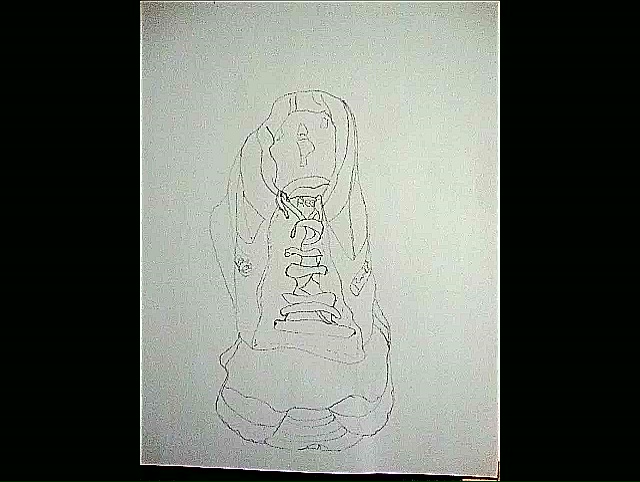
 Lesson 1 – Learn to actively see things. Figures 1-2 describe this principle. Both figures were drawn within the same period of time, with Figure 1 drawn initially, prior to instruction, and Figure 2, after learning to remediate my ability to observe, and focus on the details of the shoe.  

vlcsnap-00032
Figure 2 – The same shoe, after really learning to observe my subject.

Rather than have a passive approach, I was instructed to use continuous lines, which provided a sense of structure, and certainty to my artwork. Now, drawing a straight line in itself is difficult, continuous lines even more so, and it is here I found the value of repetition.

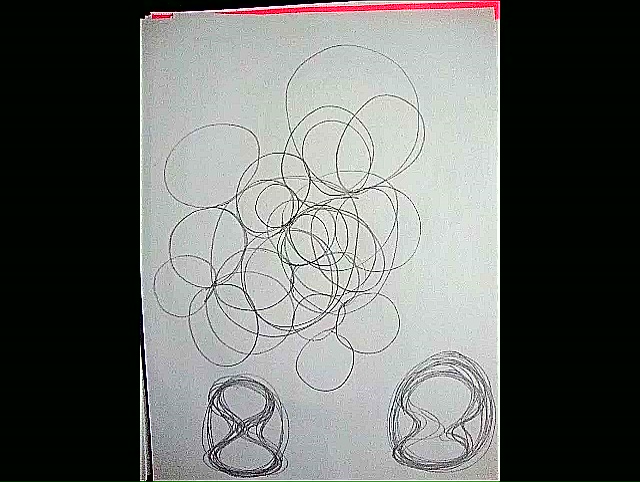
Lesson  2 The value of repetition. It is imperative that you repeat the exercises you learn in drawing. Figure 3 presents simple exercises in “doodling,” such as drawing circles of varying sizes, and figure eights, using continuous curves (without lifting the pen). Such activities helped with hand-eye coordination, particularly with blind contour drawings. 

vlcsnap-00033
Figure 3 – Part of aggregating your skills in drawing is to practice, repeatedly. 

I spent many an hour practicing my hand/eye coordination by simply doodling around on a piece of paper. This also helped big time in learning to draw with my arm rather than my wrist which is essential when one wishes to draw continuous lines.

Lastly, I was encouraged to draw what I plainly see in my subject, and not give in to the natural urge of presupposing what I believe the subject should be from prior knowledge.

DSC00551
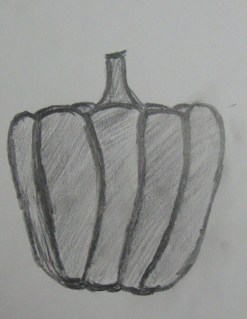
Figure 4 – The botched pepper.

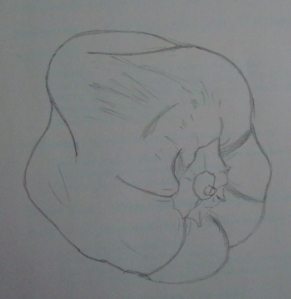
Lesson 3 – Draw what you see, not what you know. This makes a big difference. Figure 4 presents the infamous drawing of a pepper from memory (looks more like a pumpkin). Figure 5 presents a pepper drawn from observation.

Now, does this make a difference when it comes to drawing from imagination. I think it does, but we have to realize that our imagination is in many ways an exaggeration or extrapolation of what we observe in our reality. Learning to draw what I see in reality helped nurture my imagination.

dsc005461.jpg
Figure 5 – Pepper from observation. Seeing versus knowing makes a difference in drawings!

These three principles have formed the foundation of my progress in the class so far. Supplemented by lessons in individualizing one’s artwork, and finding a measure of focus, and shape consciousness (which calls for basic interaction with your subject) my drawings have come a long way (Figures 6-7).

vlcsnap-00034
Figure 6 – A half-finished portrait of Natalie Portman using graphite pencils, cheese cloth, and blending stumps.

DSC00549
Figure 7 – Another exercise in graphite. A portrait of Marcus Aurelius. I’ve still got a long way to go!  

In this review, I wished to provide a generalization of the primary lessons that were essential to getting me started in drawing. Of course, there is always more to learn especially when it comes to the various techniques that can supplement your skills such as the use of guidelines, sighting angles, drawing upside down etc. But ultimately, practice makes perfect.

In my case, drawing has served as an extension to my imagination, as well as an entertaining activity in interpreting the world around me. As an art, it stresses our abilities to interact with the environment using our physical, and mental faculties, providing a medium through which one can express his/her individuality.  Most of  all, it is a lot of fun!

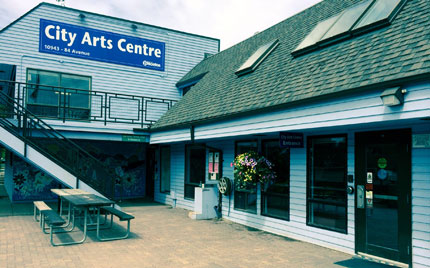
On a conclusive note, for those among my readers who live in Edmonton, I attend my drawing classes at the Edmonton City Arts Center.

cac_facility430w

The course is 8 sessions long, and is well worth the money. The City Arts Center boasts a variety of programs for adults, and children alike. If you’re interested in polishing your basics for drawing, certainly give the Drawing 1 & 2 course a try.

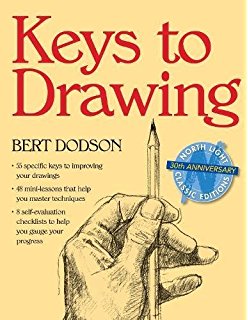
And for my readers who occupy various other corners of the world, but are aspiring artists, I would highly suggest Bert Dodson’s Keys to Drawing.

BertDodson

It is an excellent resource to learn the principles of drawing, and is a great complementary reference for any basic drawing course.