The Homes That Have Defined Me

Until recently, I have always struggled to answer the question, “Where is home?” The answer I found isn’t anything special. There is a good chance you can actually find it at your neighborhood’s home décor store, plastered across a wall hanging, “Home is where the family is. ” 

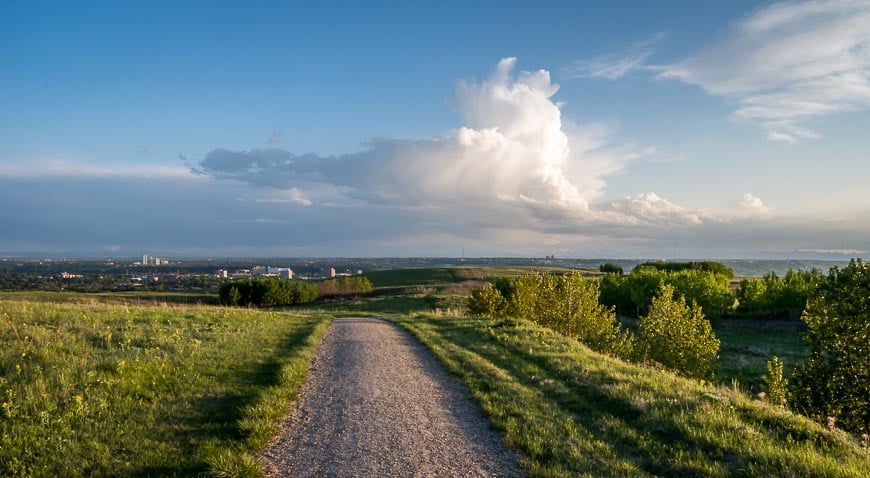
Now, to be a little more specific, that puts us in Calgary, Alberta. For someone who has spent much of his life moving from one place to another, my hope is that Calgary will become a permanent settlement, in terms of longitude and latitude.

This doesn’t take away the valuable lessons I have learned living a life in transit. It has taught me that nothing is permanent, that every beginning has an end, and most importantly, that change is natural. Knowing and literally living these statements finds me grateful for the opportunities I have been given, the wonderful people I have met along the way, and the experiences I have had thus far in my life.

The journey came with its share of good and bad, but I’m thinking I will lean more on the good side of things for today. 2026 is a year of commitment, and it sees me embark on a lifelong dream: becoming a full-time writer. The Pensive Reverie has been all about sharing this journey with my readers, so I felt it was right to share a little more about this up-and-coming author’s origins.

As in most stories, this calls for a flashback that demonstrates the why behind our hero’s journey and what has led him to where he is now. If you haven’t caught on, that mildly unimpressive hero with wildly elaborate dreams is yours truly. The flashback concerns the different homes that defined my personal growth and continue to inspire my writing.

Our journey begins in Madurai, India.
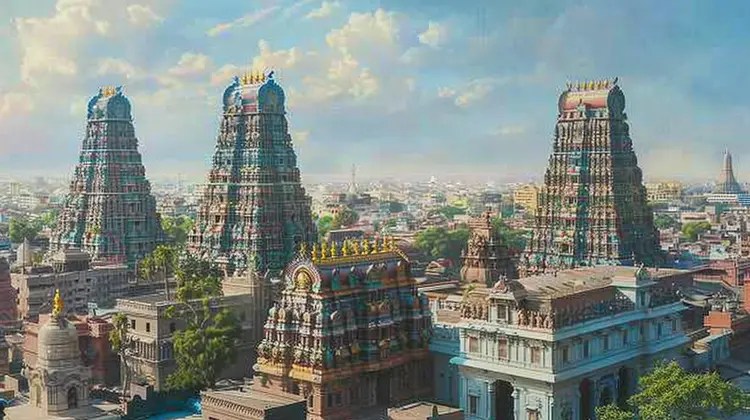
The city of temples is where I grew up. Today, it is a time capsule of sorts. A few years back, when I returned to India (after nearly six years away), I had to accept that the Madurai I knew was long gone. It is now a core memory of my childhood. Back then, I was in my element and at home. I got a whole lot of love from my grandparents, who lived practically next door to us. My grandfather introduced me to the concept of faith and religion, while my parents served as a reference point to my culture. I took in everything without question. The world was small, and I felt secure about who I was and wanted to be, until the land of the pharaohs stole me away.

My family moved to Cairo, Egypt, in the early 2000s. The bubble that represented my worldview till that point fell apart. Here was a beautiful city with such a rich history. There was so much to learn, so much to see, just so much of a lot. I discovered the World Wide Web, and I also got to knock heads with racism. Here, in the land of the pyramids, I learned a new language, was introduced to a very different culture and religion, and just about everything that wasn’t India. I also began to question who I could be and where I could go. I never really thought much about it, but looking back now, the seeds of change had begun to take root in my psyche and worldview. Eventually, my journey with the pharaohs pushed me further into the desert.
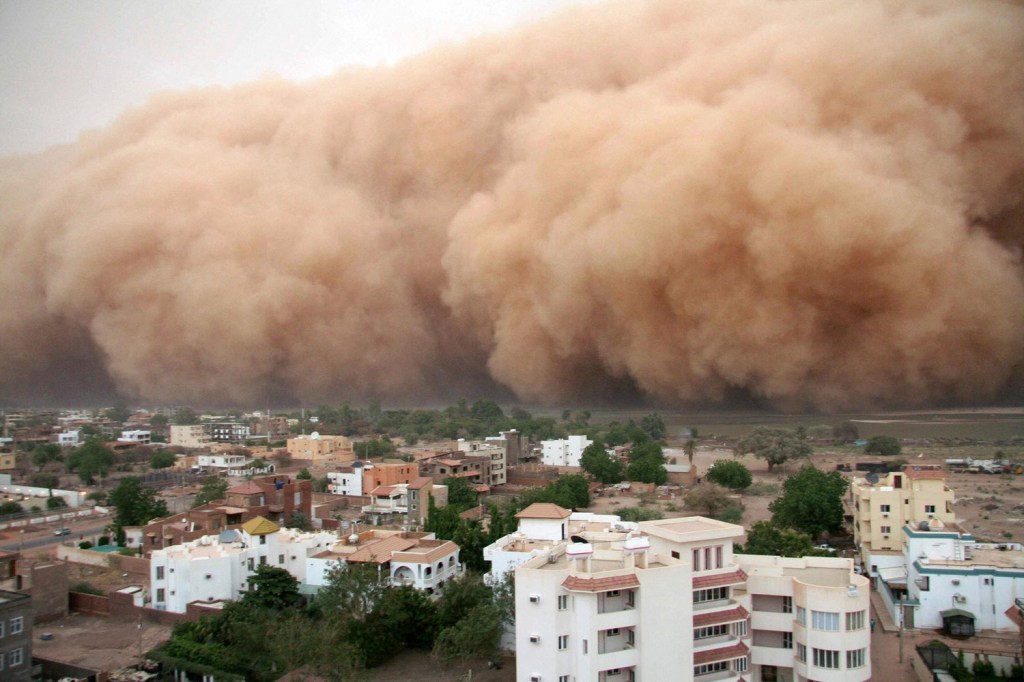
My family moved to Khartoum, Sudan, where I would see off my high school days. My tangle with racism still hung over me like a cloud. I was depressed and unsure of myself. Thankfully, the winds of the desert helped me dispose of these feelings. During my time in Sudan, I fully recognized the dilemma of my identity, lost and floundering between the cultures I grew up with and the one I was born into. I mused about the future and wondered how my family and loved ones would receive the differences in perspective I had begun to harbor about myself and the person I was becoming. To resolve this issue, I embarked on a journey across the oceans to Edmonton, Canada.

What followed was the rollercoaster ride of university life. There, in that battleground, I confronted my personal insecurities and settled an identity crisis spanning several years of my life. I discovered the expectations I had set on myself and those that had been set upon me, and in that process, I found myself and someone else who believed in me. Now, I’m married to that someone and have a family of my own.

Which brings us back to where I am now in Calgary. As for all those homes of my past, they exist as a well of inspiration for me to continue my journey of personal growth. The places I left behind over the years have changed, and I can never go back to how things used to be, making those memories all the more special.

Amidst all these years of transition, my love for writing has remained the one constant. It is now my safehouse and the place where I’m happiest when I’m by myself. I love being immersed in the worlds of my imagination, and now I’m finally taking the steps to bring them closer to reality so I can share them with everyone.

They say that sometimes the journey can be the destination, and it certainly has been for me. Where the road leads next, I will have to wait and see!
Remembering Our Faults

For starters, my absence the prior week was for naught. When your wife starts sounding like the second coming of Arnold Schwarzenneger and your own voice reverts to prepubescent days, you know the flu game is strong this season. Feeling under the weather is not enough to describe the hell that has been the past week, but here I am now, and all the merrier to finally be over with it.

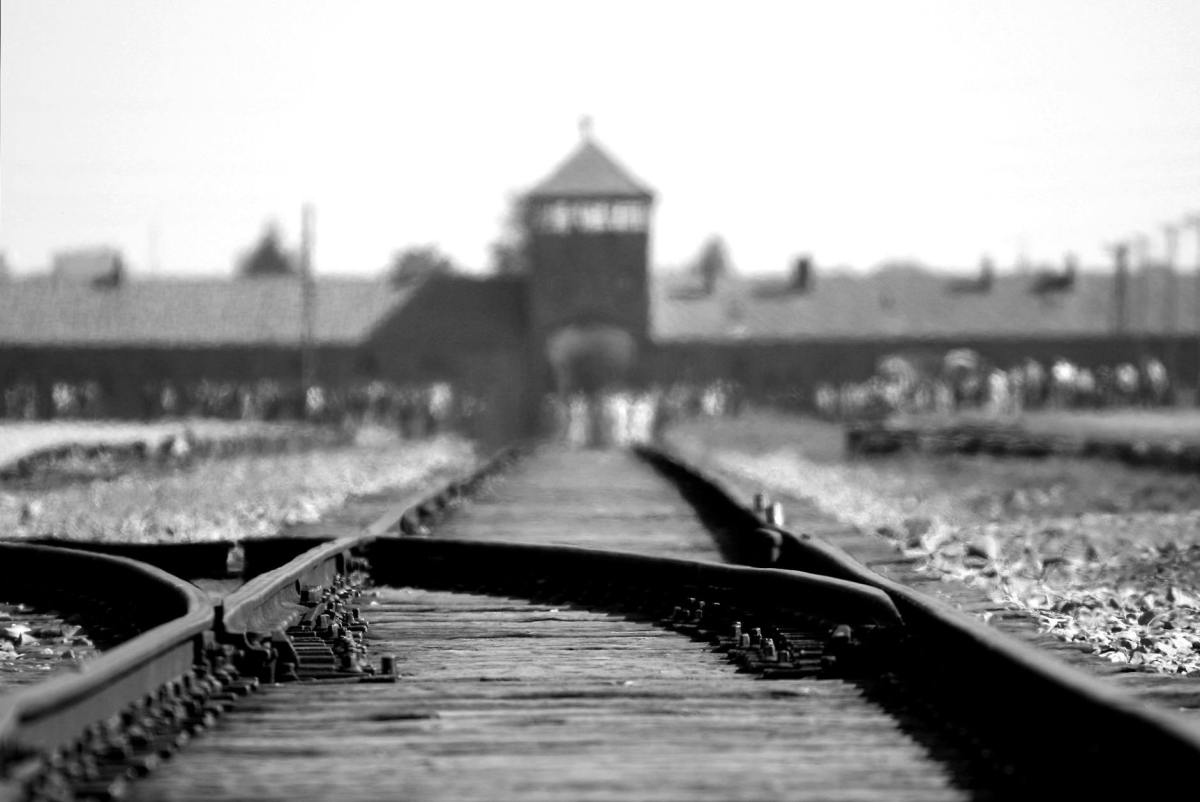
That being said, today’s post relays what went missing earlier. Falling sick gives you a good reason to relax. After all, rest is the best medicine. While the flu had destroyed my voice, my mental faculties remained sharp, and I had a lot to introspect about. Earlier, during my weekly visit to the local public library, I learned that January 27th observed International Holocaust Remembrance Day. Across from the reception desk was a table with several books and graphic novels related to the Holocaust. Perusing the selection reminded me of the last time I had read a book on the same topic. That was all the way back in high school.

From Art Spiegelman’s Maus to Elie Wiesel’s Night, my younger self had retreated in horror learning about the Holocaust. Wiesel’s graphic descriptions of his own survival at Auschwitz and Buchenwald had given me nightmares. The depravity that was in full flow leapt off the pages recounting the experiences of Holocaust victims. Those experiences also spoke to the enduring strength of those who survived and remain to this day.

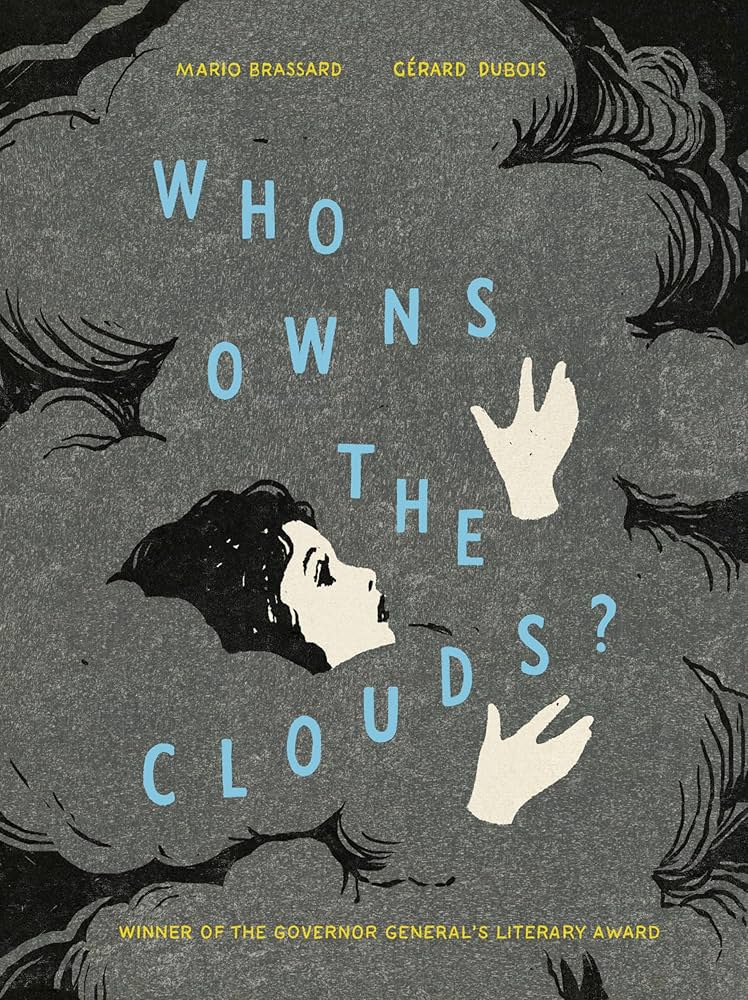
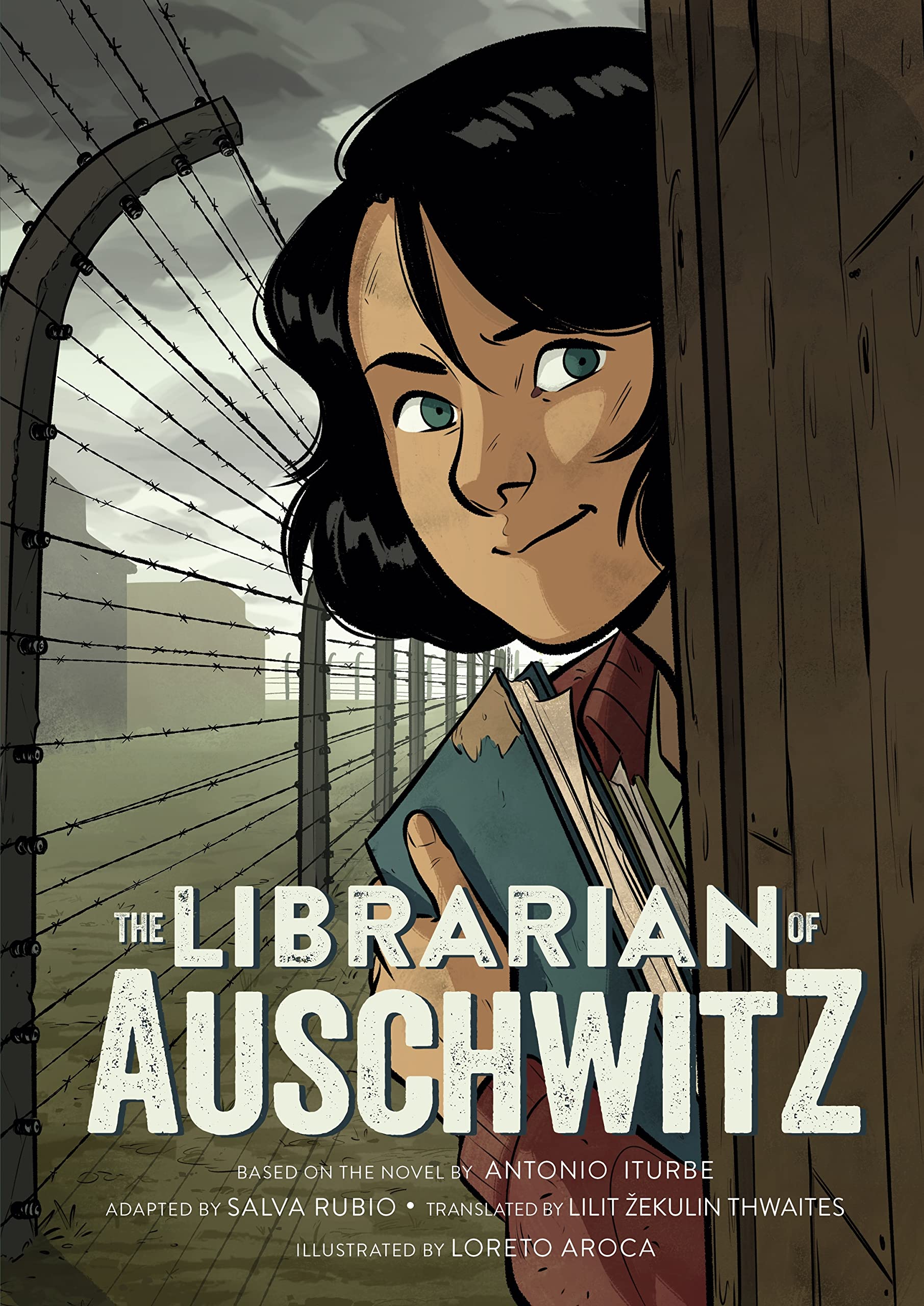
That day at the library, I felt compelled to be drawn back into said world, now seemingly lost to memory. I picked out two titles that I found intriguing:

A few days later, I fell sick with the flu and spent my time reading the two books. My younger self had struggled to come to terms with the reality of the Holocaust, but as an adult, I felt more pensive revisiting this chapter in human history.

Who Owns the Clouds? and The Librarian of Auschwitz related the experiences of two young female protagonists, the impact the war and the Holocaust had on their families, their childhood, and their future. (Of course, there is a lot more to it, but I don’t want to give it all away; I highly recommend both titles!) Both protagonists undergo profound personal transformations (not always positive) that help them survive this tumultuous period of human affairs. The Holocaust is a telling moment in history that demonstrated the human capacity to inflict suffering and destruction. The subsequent horror took different forms in every generation. Both these books provide plenty of that, but that isn’t all there is to their purpose. Despite being two very different experiences, the two stories reitereate that even in the darkest of moments, not all is lost. The protagonists are uplifted by the actions of those who were courageous enough to stand up for their beliefs, to fight the good fight, and instill hope for the future.

My reading wasn’t a continuous process. I had to take breaks, and not for lack of focus, but due to frequent visits from my daughter, who took it upon herself to take care of her supposedly “ailing” father. Observing my daughter’s actions, I couldn’t help but juxtapose the protagonists’ realities onto hers. How would I react if something similar happened to my daughter? How would I protect her from a world that is torn asunder? It was not a pleasant thought, and it probably aggregated from a source of concern that has been on my mind of late.

Currently, there just doesn’t seem to be a pause button for the chaos unfolding across the world. Differences speak louder, and unity seems trivial. Social media has become a global echo chamber for negativity. Fall into this rabbit hole, and you are not coming out of it in one piece. As a person of color, I have experienced my fair share of racism and segregation. Now, here was my daughter, growing up as a biracial kid in a world where diversity was an excuse for division. What could I do to keep my daughter safe? What could I do to ensure that she would neither be a victim nor an instigator of the same negativity that seems to be running rampant in a global period of uncertainty and rapidly changing political landscapes (much like the history related by the books I had just read)?

It was not easy to mull these things over while battling the flu. Writing about it, I guess, is my way of finding courage and staying hopeful. It also helped that my daughter had all the answers. Much like the protagonists in the two books, whose innocence empowers their actions and guides them through their trials to do what is right, I found strength in my daughter’s actions. In a misplaced belief that I had fallen ill because of her, my daughter forced me to accept an apology on her part, later going on to reaffirm the importance of saying “Sorry” when one is at fault.

There was my answer. Making mistakes is part of being human, but it is more important to remember and learn from our faults. History teaches us a lot, and while it may seem distant from our present, the lessons of our past can help us move forward. This resonates with the discord of today’s global affairs and how the world just seems to want to tear itself up. Differences aren’t what set us apart, they serve as a gateway to connection and strength. It is in our courage to bridge them that we define our humanity.

Between stimulus and response there is a space. In that space is our power to choose our response. In our response lies our growth and our freedom. – Victor Frankl

The Lost Artist – Chapter 1 – Where do I start?

Paper? Check. Pencil? Check. Eraser? Check. Drawing table? Check. Now, what do I do? Well, you draw.

Sounds simple enough, but it’s easy to put in action. The greatest challenge beginner artists face as they embark on their creative journey, be it as a hobby or as a long-term professional goal, is finding an answer to the big fat question staring back at them from a blank sheet of paper,

WHERE THE HECK DO I START?

The worst part about this question is in trying to find an answer you can easily fall into a rabbit hole of opinions, comments, and suggestions from various professionals in the field. All that information, coming from so many different directions, can leave one confused and stressed. I’ve been there and it took me nearly two years to get out of that cycle and find my own path toward my creative goals.

To start, the most common advice you get to hear is, to begin with the fundamentals. This covers everything from learning how to draw with lines, shapes, forms, adding value and texture, alongside a slew of other things like perspective, figure drawing, etc. While this approach works REALLY well for a lot of people, it isn’t necessarily the ONLY recipe for success.

When I started, I took this advice wholeheartedly and went hardcore on learning all the fundamentals. I sat there deconstructing my subjects into forms, practicing my lines, shading, and a lot more. But, after a while, the whole process felt tedious and, to be honest, boring.

I reached out to the community. I read about what other artists had done, and in most cases, the answer I got back was to keep pushing on. Practice makes perfect and that is true. Every artist and mentor I reached out to had the right idea but there was something more to their advice that flew completely under my radar.

After nearly a year of inconsistent progress, I took a step back to get some perspective. I gradually recognized that just as much as art is a subjective medium, so too is the process or path that one takes toward becoming an artist. There is truly no RIGHT way that works for all.

This doesn’t mean practice doesn’t make perfect or that learning the fundamentals doesn’t help. Rather, how one goes about learning the fundamentals or gearing practice sessions to their needs and interests can make an enormous difference in maintaining enthusiasm and commitment to their goals as an artist.

My initial approach had focused too hard on perfection and too fast on success and so much so that I never really got anywhere with it. I purchased a good chunk of reference books, looked up a lot of online resources and courses, practiced the fundamentals, jumping from one lesson to another, and only ended up being overwhelmed.

Taking a step back helped me realize there was nothing wrong in starting with what I liked to draw and slowly building out from there. In due course, I recognized the skills I needed to tackle different aspects of my projects and artwork while gauging it against the work of other established masters in the field.

Adopting what I considered a “project-oriented” approach, I redefined my artistic lessons based on my personal goals: to take the scripts and stories I write and bring them to life through art. I wanted to enhance my writing through art. And using that art, I wished to work toward a possible long-term goal as an animation director. [I have backups too in the form of a comic book artist]. I finally had a direction.

Having identified my destination, I was able to pinpoint the relevant skills I required to start my journey. The fundamentals were certainly important, but more so than that, was also the need to draw consistently. Revisiting the references I had scoured through earlier, I slowly put together a solo artist program (currently in progress and under continual development) that not only met my specific interests (from the types of drawing media I gravitated to, the styles, etc.) but also enabled me to learn my fundamentals through projects of my own liking.

While this approach is highly subjective to my personal goals, they gather inspiration from other artists in the field whose courses I have followed and who provide a great bunch of online resources that all beginner artists can follow. Thus far, I can say that I have found great success and motivation to keep up with my goals.

So, from this noob artist here to my awesome readers out there, if you are much like me (or otherwise) and prefer a project-oriented approach that also enables you to tackle and learn the fundamental skills necessary, my advice would be to start by identifying your personal goals for your art career.

Knowing a specific endpoint, no matter how far down the timeline, that you are aiming for can really help get you started in identifying the skills you need. This helps build focus and also avoid stretching yourself too thin.

Following this, use projects or subject areas that interest you as a platform to build your fundamentals in an iterative but dynamic learning process. For example, if you love drawing animals and love pen-and-ink as a medium, there is nothing wrong in structuring your studies to focus within that medium and build out from there.

You can begin by learning how to deconstruct animals into basic forms and build out the animal’s physical structure using lines. As pen-and-ink is a “linear” medium, you then get to add to the details using various kinds of line strokes. Through each step, you learn something fundamental and you get a drawing done.

If it wasn’t obvious, I love drawing animals too, and here is one of a lioness I happily whipped up using Clip Studio Paint.

Most importantly, recognize that it is completely OK if you are not satisfied with your end product. It is OK to fail. Just don’t dwell on it. Continue onward to another subject and work on what you missed the last time around. In what is a constructive and iterative process, you get to hone your skills regularly while also enjoying the process.

Using this approach protected me from getting overwhelmed by the resources out there and learning effectively in a piece-wise fashion. An apple a day keeps the doctor away. Similarly, learning one small facet a day, be it as simple as looking at subjects and deconstructing them into primitive forms, IS progress and can really keep your doubts away. Trust in the process! After all, you made it out of your own willingness to improve.

On that note, I will see you next in Chapter 2, where I share my experience of the first two months of my solo artist program, the courses I have undertaken, and some awesome resources that all beginner artists must indulge in.

And, as always, don’t forget to follow my artwork at LockeInArt on Instagram!